

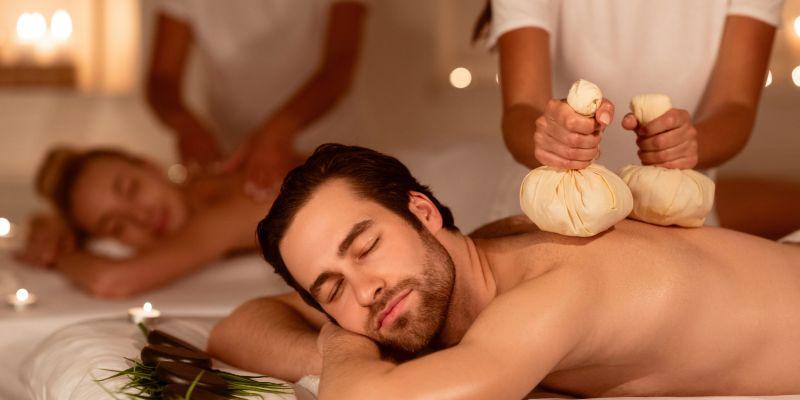

Long distance travel can leave the body feeling exhausted, particularly after spending several hours sitting in the same position. Whether travelling by car, bus, train, or aeroplane, limited movement and prolonged sitting can contribute to muscle stiffness, lower back discomfort, shoulder tension, and tired legs. Even after reaching the destination, the body may take some time to return to its usual level of comfort. These experiences are common among people who travel frequently for work, family commitments, or holidays. Understanding the reasons behind travel related fatigue can help individuals identify suitable ways to support physical relaxation. For those experiencing muscular tiredness after extended journeys, Thai Massage in Chennai is one of the wellness options associated with relaxation, flexibility, and general muscle comfort.
Why Does the Body Feel Tired After Long Journeys?
Travel fatigue is influenced by several physical and lifestyle factors. Remaining seated for extended periods reduces opportunities for natural movement, causing certain muscle groups to stay in the same position for longer than usual. The lower back, hips, neck, and shoulders are particularly involved in maintaining posture while sitting.
Carrying heavy luggage, walking through crowded transport terminals, and managing different travel arrangements can add to physical tiredness. Changes in sleeping patterns and irregular meal timings may also affect energy levels. As a result, some people experience a combination of muscular stiffness, general exhaustion, and reduced physical comfort after completing a long journey.
How Does Prolonged Sitting Affect Muscles?
Sitting for several hours places continuous demands on the muscles responsible for maintaining body posture. The hip flexors remain in a shortened position, while the back muscles support the upper body. Depending on the seating arrangement, the neck and shoulders may also experience increased tension.
Limited movement can make the hips and lower back feel stiff when standing up after a journey. The legs may also feel heavy because they have remained relatively inactive for an extended period. People who frequently travel or spend long hours commuting may notice these effects more often.
Maintaining comfortable posture and changing positions whenever possible can help reduce the physical strain associated with prolonged sitting. Regular movement also allows different muscle groups to become active throughout the journey.
Can Thai Massage Help Ease Travel Related Fatigue?
Thai massage combines assisted stretching, rhythmic movements, and controlled pressure to encourage muscle relaxation and flexibility. Its traditional techniques involve guided movements that engage different parts of the body, including the back, hips, shoulders, and legs.
After a long journey, these areas may feel particularly stiff because of restricted movement and prolonged sitting. Assisted stretching can encourage comfortable mobility, while rhythmic techniques contribute to a relaxing experience. This combination makes Thai massage relevant to individuals looking to address general muscular tiredness as part of their wellness routine.
For individuals considering Thai Massage in Velachery, the approach may be suitable when their everyday routines involve frequent commuting, extended sitting, or physically demanding travel schedules. The techniques can be adapted according to individual comfort and physical requirements.
Which Body Areas Commonly Experience Travel Fatigue?
The lower back is one of the areas that can become uncomfortable after prolonged sitting. Maintaining the same posture for several hours places continuous demands on the supporting muscles, which may result in stiffness when bending, standing, or walking.
The neck and shoulders can also become tense, particularly when looking down at mobile devices or resting in an uncomfortable position during travel. Carrying backpacks and suitcases can contribute to additional muscular tiredness around the upper body.
The hips and legs are equally important. Restricted movement may cause tightness around the hips and a feeling of heaviness in the thighs and lower legs. These areas benefit from regular movement and flexibility exercises that encourage comfortable mobility.
Understanding which areas feel tired helps individuals pay attention to their physical requirements rather than treating travel fatigue as a single concern.
How Does Stretching Support Muscle Flexibility?
Stretching helps maintain flexibility by allowing muscles and joints to move through comfortable ranges of motion. After spending several hours in a seated position, gentle movements can help reduce the feeling of stiffness around the back, hips, shoulders, and legs.
Traditional Thai massage incorporates assisted stretching, in which guided movements encourage flexibility across different muscle groups. These movements are particularly relevant to people whose daily routines involve limited physical activity or extended periods of sitting.
For example, movements involving the hips and legs can help address tightness associated with prolonged sitting. Similarly, gentle shoulder and upper back movements can encourage greater freedom of movement after a long journey.
Including regular stretching in everyday routines can also help individuals maintain flexibility and physical comfort between journeys.
What Helps the Body Recover After Long Travel?
Physical recovery involves giving the body enough time to adjust after an extended journey. Adequate sleep is important because irregular travel schedules and interrupted rest can contribute to tiredness. Maintaining consistent sleeping hours after reaching the destination can support normal energy levels.
Hydration is another important consideration. Drinking sufficient water throughout the journey helps maintain normal bodily functions. Balanced meals also provide the nutrients required to support everyday energy and physical activity.
Gentle walking after reaching the destination can encourage natural movement, particularly when the journey has involved several hours of sitting. Taking regular movement breaks during travel, changing positions, and maintaining comfortable posture can also help manage physical stiffness.
People experiencing tired legs, back stiffness, or shoulder discomfort after frequent journeys can also explore Thai Massage in Anna Nagar as an option when looking for ways to support physical relaxation and flexibility.
Maintaining Physical Comfort After Frequent Travel
Frequent travel can place repeated demands on the body, especially when journeys involve prolonged sitting, limited movement, and irregular sleeping schedules. Paying attention to muscle flexibility, posture, hydration, and adequate rest can help individuals manage these demands more effectively.
Thai massage brings together traditional assisted stretching and rhythmic movements that support relaxation and flexibility. Including suitable wellness activities alongside regular movement and healthy daily habits can contribute to overall physical comfort.
Allowing the body enough time to recover after long journeys is equally important. With consistent attention to physical well being, individuals can maintain better movement, manage everyday muscular tiredness, and feel more comfortable when returning to their regular routines.
