

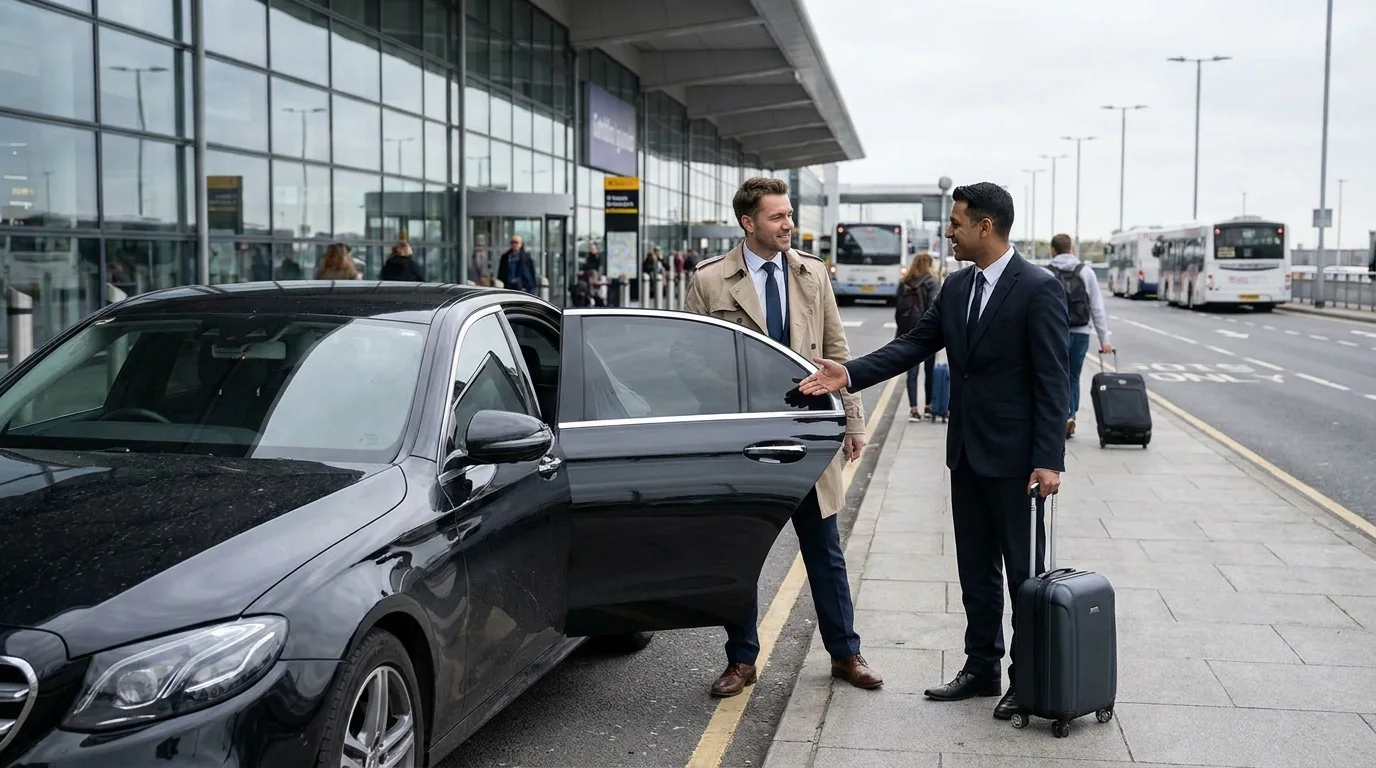

Few things spoil the start of a trip like a frantic dash through the terminal. Heathrow is one of the busiest airports in the world, and the gap between arriving comfortably and arriving in a panic can come down to a single hour. So how early to get to heathrow should you really get there? The honest answer depends on where you're flying, which terminal you need, when you're travelling and how you're getting to the airport.
This guide breaks it down so you can plan with confidence, whether you're setting off from South London or further afield.
The Short Answer
As a general rule, most airlines suggest arriving around two hours before a short-haul flight and around three hours before a long-haul flight. These are starting points rather than fixed rules, and some airlines ask for more time, particularly for international departures or during busy periods. Always check your airline's advice on your booking confirmation, because the check-in and bag-drop cut-off times they set are the deadlines that actually matter.
Arriving early doesn't just protect you from missing check-in. It also gives you breathing room for security queues, passport control and the walk to your gate, which at Heathrow can be longer than many travellers expect.
Which Terminal Are You Flying From?
Heathrow has four passenger terminals, Terminal 2, Terminal 3, Terminal 4 and Terminal 5, and they are not close to each other. Getting to the wrong one wastes valuable time, so check your terminal before you leave home, not when you're already in the car.
Different terminals also feel different on the day. A large terminal handling several long-haul airlines can have longer queues at bag drop and security than a smaller one. If you're flying with a major long-haul carrier, lean towards the earlier end of the guidance.
Allow for the Journey to the Airport
Your arrival time at the terminal is only part of the picture. You also have to get there, and the journey is where many delays begin. If you're travelling from South London, you may be dealing with the A3, A316 or the M25, all of which can slow down quickly with an accident or roadworks.
A sensible approach is to work backwards. Start with the time you want to be at the terminal, then add extra time for the drive. Leaving 30 minutes earlier than your journey time suggests rarely feels like a mistake, and it protects you from the unexpected. If you're taking public transport, add time for connections and for carrying luggage through stations.
Times of Day and Times of Year Make a Difference
Early-morning departures are popular, and the first wave of flights often means busy check-in desks and security lanes around the same hours. School holidays, bank holiday weekends and the run-up to Christmas are also notably busier. In these periods, add extra time to the standard guidance, because queues can grow quickly and little problems take longer to fix.
Travelling at quieter times, such as mid-morning on a weekday outside the holidays, usually means a smoother experience, but it's still wise not to cut things fine.
When You Should Leave Extra Early
Some situations call for a bigger buffer than the standard advice:
- Travelling with young children, a pushchair or elderly relatives
- Carrying several large bags or sports equipment that needs special handling
- Needing assistance at the airport
- First-time visitors who aren't familiar with the terminal layout
- Flights where extra document checks may apply
In these cases, arriving an extra 30 to 60 minutes early can make the whole experience calmer for everyone.
Why a Pre-Booked Minicab Takes the Pressure Off
One of the simplest ways to avoid arriving late is to remove the uncertainty from the journey itself. A pre-booked airport transfer service means a driver arrives at an agreed time, knows the route and the right terminal drop-off, and can plan around traffic. You're not hunting for parking, paying unpredictable fares or relying on connections that might be delayed.
If you're booking through Licensed Cars, you can arrange your pickup in advance and agree the fare before you travel. That means no last-minute surprises and one less thing to think about on the morning of your flight. It's a particularly useful option for early departures, when public transport is limited and you'd rather not be driving yourself.
Arriving Back at Heathrow? Plan the Pickup Too
The question of timing works in reverse when you land. Passport control, baggage reclaim and customs can take a while, and trying to rush your driver can add stress to an already tiring journey. If you'd like someone waiting when you walk out, an airport meet and greet service puts a driver in the arrivals area to help with your bags and take you straight to the car. It's especially helpful after a long-haul flight or when travelling with family.
Sharing your flight number when you book also helps, as it lets the operator keep an eye on your flight and adjust if it lands early or late.
A Simple Checklist Before You Leave
- Confirm your terminal and your airline's check-in and bag-drop deadlines
- Check traffic and any travel disruption on your route
- Add a buffer for the journey, especially at peak times
- Have your passport, boarding pass and any visas ready before you set off
- Book your transfer in advance so the pickup time is fixed
Final Thoughts
There's no single number that works for every traveller, but a good rule is to follow your airline's guidance, add extra time for the journey and give yourself more room if you're travelling at a busy time or with extra needs. Arriving early costs you a little waiting time, while arriving late can cost you the flight.
