

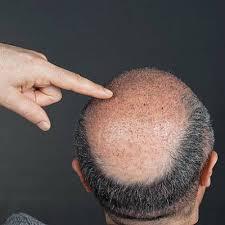

Hair transplantation is a popular hair restoration procedure for people experiencing thinning hair, receding hairlines, or noticeable bald areas. However, not everyone experiencing hair loss is automatically suitable for surgery. Hair Transplant in Dubai eligibility depends on several factors, including the cause of hair loss, donor hair availability, scalp condition, age, and overall health.
Understanding these factors before considering a procedure helps patients develop realistic expectations and make informed decisions. A professional assessment is essential because successful hair restoration requires more than simply moving hair follicles from one area of the scalp to another.
Understanding Hair Transplant Eligibility
Hair transplant eligibility refers to whether someone has the necessary physical and medical conditions to undergo hair restoration surgery safely and achieve potentially satisfactory results.
During an initial consultation, a qualified medical professional evaluates the patient's hair loss pattern, scalp condition, donor area, and medical background. This assessment helps determine whether transplantation is appropriate or whether alternative treatments should be considered first.
Eligibility is not determined by age or baldness alone. Each patient has different hair characteristics and restoration needs.
1. Hair Loss Pattern and Progression
The pattern of hair loss is one of the most important considerations when evaluating transplant eligibility.
People experiencing male or female pattern hair loss may be suitable candidates, depending on their individual circumstances. However, patients with rapidly progressing hair loss may need further evaluation before surgery.
Hair loss that continues to develop can affect long-term cosmetic results. For example, transplanting hair around the front hairline without considering future thinning may create an uneven appearance as surrounding natural hair continues to fall.
A medical assessment helps identify:
-
The location and extent of thinning.
-
Whether hair loss is stable or progressing.
-
Areas requiring additional coverage.
-
The possibility of future hair loss.
A carefully planned approach considers both current hair loss and potential future changes.
2. Donor Hair Density and Quality
Donor hair availability plays a major role in determining whether someone is suitable for transplantation. Hair follicles are commonly collected from the back or sides of the scalp, where hair is often more resistant to pattern-related thinning.
However, having hair in the donor area does not automatically guarantee suitability.
Medical professionals examine donor density, follicle characteristics, scalp condition, and the amount of healthy hair available for extraction.
Important considerations include:
-
Number of available hair follicles.
-
Hair thickness and texture.
-
Density of the donor region.
-
Strength and condition of existing follicles.
Patients with limited donor hair may require a more conservative treatment plan. Taking too many grafts can create visible thinning in the donor area.
3. Overall Scalp Health
A healthy scalp provides an important foundation for hair transplant surgery and recovery.
Conditions such as active scalp infections, inflammation, severe dermatitis, or certain skin disorders may affect surgical suitability. These problems may need treatment before transplantation can be considered.
During the assessment, professionals examine the scalp for irritation, redness, infection, excessive scaling, and other abnormalities.
Patients should discuss any existing scalp problems rather than attempting to hide them before consultation.
Addressing scalp health first helps create more appropriate conditions for treatment and supports a safer surgical plan.
4. Age and Hair Loss Stability
Age is another factor considered during hair transplant eligibility assessments. However, there is no single age that automatically makes someone suitable or unsuitable.
Younger patients may still experience ongoing hair loss. Performing surgery too early without understanding the expected progression can make future restoration more complicated.
Older patients may also be suitable candidates if their scalp condition, donor hair availability, and general health support the procedure.
Rather than focusing only on age, medical professionals evaluate hair loss stability, long-term expectations, and the patient's individual restoration needs.
5. Medical History and Existing Health Conditions
A patient's medical history is essential when determining whether hair transplant surgery is appropriate.
Certain health conditions and medications may influence surgical planning, bleeding risk, healing, or recovery.
During consultation, patients should disclose relevant information, including:
-
Chronic medical conditions.
-
Previous scalp surgeries.
-
Allergies and medication reactions.
-
Blood-clotting or bleeding disorders.
-
Current prescription medications.
-
Previous hair restoration treatments.
Some conditions may require additional medical clearance or adjustments to the treatment plan. Patients should never stop prescribed medication without consulting their healthcare professional.
6. The Cause of Hair Loss
Not all types of hair loss are suitable for transplantation.
Pattern hair loss is a common reason people consider hair restoration. However, temporary or medical conditions can also cause excessive shedding.
For example, telogen effluvium, certain nutritional deficiencies, hormonal changes, and autoimmune conditions may contribute to hair loss.
Patients experiencing sudden, unexplained, or patchy hair loss may need a medical diagnosis before considering surgery.
A hair transplant does not treat the underlying cause of every hair loss condition. Identifying the reason for thinning is therefore an important part of determining eligibility.
7. Realistic Expectations and Personal Goals
A suitable candidate should understand what hair transplantation can realistically achieve.
The procedure can improve hair coverage and create a more balanced appearance, but it cannot guarantee the same density a person had before experiencing hair loss.
Results depend on donor hair availability, scalp characteristics, graft placement, healing, and individual hair growth.
During consultation, patients should discuss their desired hairline, preferred coverage, and expectations regarding density.
A responsible treatment plan focuses on achievable improvements rather than promising perfect or identical results.
How Is Hair Transplant Eligibility Assessed at Tajmeels Clinic?
At tajmeels clinic dubai, hair transplant planning should begin with an individual assessment of the patient's hair loss pattern, donor area, scalp health, and medical background. Understanding these factors helps determine whether hair transplantation is an appropriate option and what approach may suit the patient's needs. A personalised consultation also provides an opportunity to discuss treatment expectations, possible limitations, recovery considerations, and long-term hair restoration planning.
What If You Are Not Suitable for a Hair Transplant?
Not being an immediate candidate does not necessarily mean that hair restoration is impossible.
Depending on the underlying cause of hair loss, medical professionals may recommend addressing scalp conditions, investigating nutritional or hormonal factors, or considering suitable non-surgical hair loss treatments.
Patients with unstable hair loss may benefit from further evaluation and monitoring before making a surgical decision.
The most appropriate option depends on individual medical findings rather than a general recommendation.
Frequently Asked Questions
1. Can someone with a receding hairline get a hair transplant?
Yes, people with receding hairlines may be suitable candidates if they have sufficient healthy donor hair and their hair loss pattern supports transplantation.
2. Does thin donor hair affect transplant eligibility?
Yes. Limited donor density or poor hair quality can restrict the number of grafts available and influence the expected coverage.
3. Is there a minimum age for hair transplantation?
There is no universal age that determines eligibility. However, younger patients require careful evaluation because their hair loss may still be progressing.
4. Can people with medical conditions undergo hair transplantation?
Some may be suitable, depending on their condition, medications, and overall health. Medical evaluation is necessary before proceeding.
5. Does everyone with baldness qualify for hair transplantation?
No. Donor hair availability, the cause of baldness, scalp health, and medical suitability all influence eligibility.
Conclusion
Hair transplant eligibility depends on several individual factors rather than a single requirement. Hair loss progression, donor hair quality, scalp health, age, medical history, and personal expectations all contribute to the assessment. A professional consultation helps identify suitable candidates, recognise potential limitations, and establish realistic restoration goals. Careful evaluation before surgery supports better-informed decisions and more responsible hair restoration planning.
More Information
Tajmeels Clinic Dubai
WhatsApp: +971 56 203 8751
Phone: tel:+971 43739000
Social Media:
