


A confident smile can make everyday interactions more enjoyable, but missing teeth may affect the way people eat, speak, and present themselves. Tooth loss can also create changes in the surrounding dental structure if it remains untreated. Fortunately, modern restorative dentistry provides effective options for replacing missing teeth. Dental implants are designed to offer stable support for artificial teeth while restoring important oral functions. Individuals searching for Dental Implant in Islamabad can explore different implant solutions based on their dental conditions. Enfield Royal Clinic in Islamabad is a place where patients can discuss their concerns and learn about modern tooth replacement possibilities.
What Is the Purpose of Dental Implant Treatment?
Dental implant treatment aims to replace missing natural teeth by placing artificial roots inside the jawbone. These roots provide support for customized dental restorations that recreate the appearance and function of natural teeth.
Most dental implants are made from titanium because it is strong and generally compatible with human bone. After placement, the implant gradually integrates with the surrounding bone, creating a stable foundation.
Depending on the patient's requirements, an implant can support an individual crown, a bridge, or a complete dental arch.
Dental Implant in Islamabad is an option for individuals who want to restore missing teeth with a fixed alternative to conventional removable dentures.
How Can Missing Teeth Affect Your Dental Structure?
Natural teeth work together to maintain proper chewing function and bite alignment. When one or more teeth are missing, the balance of the dental structure may change.
Some possible effects include:
-
Neighboring teeth gradually shifting into empty spaces.
-
Changes in the way upper and lower teeth meet.
-
Difficulty chewing on one side of the mouth.
-
Food accumulation around remaining teeth.
-
Reduced jawbone volume in the area of tooth loss.
-
Changes in smile appearance and facial support.
Early dental assessment can help identify these changes and determine an appropriate replacement strategy.
What Are the Main Components of a Dental Implant?
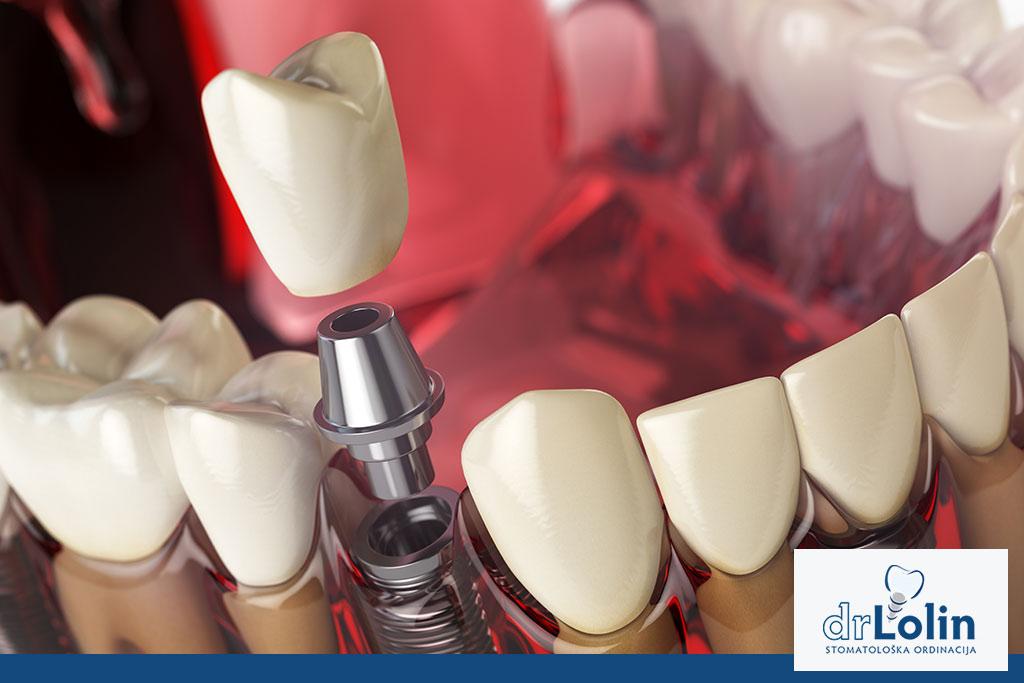
A dental implant restoration generally consists of three important parts.
Implant Fixture: This component is placed inside the jawbone and acts as an artificial tooth root.
Abutment: The abutment connects the implant fixture to the artificial crown.
Dental Crown: The crown is the visible replacement tooth, designed to match the surrounding teeth in appearance and shape.
These components work together to provide a functional restoration that can be used for everyday chewing and speaking.
Can Dental Implants Replace Front and Back Teeth?
Dental implants can replace teeth in different areas of the mouth, but treatment planning varies according to their location.
Front Teeth Replacement
Front teeth are important for smile appearance and speech. Replacing them requires careful attention to gum contours, crown shape, tooth color, and implant positioning.
The dentist must consider the appearance of surrounding teeth to create a balanced restoration.
Back Teeth Replacement
Molars and premolars are responsible for much of the chewing process. Their replacement requires attention to bite pressure, implant stability, and the strength of the final crown.
The restoration must be designed to handle normal chewing forces without placing excessive stress on the implant.
Patients considering Dental Implant in Islamabad should discuss the specific requirements of the tooth being replaced.
How Does Digital Technology Help with Implant Planning?
Modern dental technology has improved the way implant procedures are evaluated and planned.
Three-dimensional imaging, such as cone-beam computed tomography, can help dentists examine jawbone dimensions and identify important anatomical structures. Digital planning may also assist in determining the appropriate implant position.
In selected cases, computer-guided surgical techniques can help transfer the planned implant position to the surgical procedure.
Digital impressions and laboratory technologies may also improve the design and fit of the final restoration.
These tools are useful when clinically indicated, although the appropriate technology depends on the patient's condition and the complexity of treatment.
What Happens If You Do Not Have Enough Jawbone?
Sufficient bone volume is important for supporting a dental implant. However, some individuals experience bone loss after losing natural teeth.
When the jawbone is too thin or lacks adequate height, the dentist may recommend bone grafting.
Bone grafting involves adding suitable bone material to improve the structure of the implant site. The graft requires healing before or during implant placement, depending on the clinical situation.
For certain upper-jaw cases, a sinus lift may also be considered when the available bone height is insufficient.
A detailed examination helps determine whether these additional procedures are necessary.
How Can You Prepare for Dental Implant Treatment?
Preparing properly can help patients understand the procedure and support a smoother treatment experience.
Before surgery, patients should:
-
Complete the recommended dental examination.
-
Share their medical history and current medications.
-
Treat active gum disease or dental infections.
-
Follow instructions regarding food and medication.
-
Discuss anesthesia and recovery expectations.
-
Arrange follow-up appointments.
-
Stop smoking or seek professional support to quit.
Patients should never stop prescribed medication without consulting their healthcare professional.
Can Dental Implants Look Like Natural Teeth?
A major goal of restorative dentistry is to create artificial teeth that complement the patient's natural smile.
Dental crowns can be customized according to the surrounding teeth, including their shade, shape, size, and proportions.
The gum tissue surrounding the restoration also plays an important role in the final appearance. Proper implant positioning and appropriate crown design can help create a natural-looking result.
At Enfield Royal Clinic in Islamabad, patients exploring Dental Implant in Islamabad can discuss their expectations and learn about the restorative options that may be appropriate for their dental condition.
What Are the Long-Term Maintenance Requirements?
Dental implants require consistent care even though their artificial crowns cannot develop cavities.
Plaque can accumulate around the implant, potentially causing inflammation in the surrounding gum tissue. If this condition progresses, it may affect the supporting bone.
For long-term maintenance, patients should:
-
Brush twice daily with a soft toothbrush.
-
Clean between teeth and around implant restorations.
-
Use dentist-recommended interdental cleaning tools.
-
Attend regular professional examinations.
-
Avoid smoking and tobacco products.
-
Report bleeding, swelling, or persistent discomfort.
Regular monitoring helps maintain healthy tissues around the implant and identify potential complications early.
Why Consider Enfield Royal Clinic in Islamabad?
Selecting a suitable dental facility requires careful consideration of professional qualifications, treatment planning, sterilization standards, diagnostic facilities, and aftercare services.
Enfield Royal Clinic in Islamabad provides an opportunity for individuals to discuss their missing teeth and explore available dental restoration options.
Patients searching for Dental Implant in Islamabad can seek guidance about implant suitability, treatment stages, restoration materials, healing requirements, and possible complications. Understanding these factors can help patients make informed decisions about their oral health.
Begin Your Journey Toward a Healthier Smile
Missing teeth can affect your confidence and make everyday activities uncomfortable. Dental implants offer a modern restorative option that can replace missing teeth with stable, natural-looking artificial restorations.
The best results depend on proper examination, suitable bone support, healthy gums, professional treatment, and consistent maintenance.
