

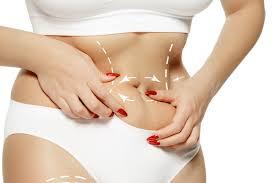

Tummy Tuck in Dubai, medically known as abdominoplasty, is a body-contouring procedure designed to address excess abdominal skin and improve the appearance of the stomach. However, the procedure does more than remove loose skin. In many patients, it also involves repairing and tightening the abdominal muscles to create a firmer abdominal profile.
Pregnancy, significant weight changes, ageing, and natural changes in connective tissue can affect the abdominal wall. These changes may cause the stomach to appear protruded even when a person maintains a healthy lifestyle. Understanding what happens to the abdominal muscles during tummy tuck surgery helps patients develop realistic expectations and make informed decisions.
Understanding the Abdominal Muscles
The abdominal wall contains several muscle groups that support the torso, protect internal organs, and contribute to posture and movement. One important muscle is the rectus abdominis, commonly known as the six-pack muscle.
These muscles run vertically along the front of the abdomen. They are connected by a band of connective tissue called the linea alba.
During pregnancy or substantial weight fluctuations, the connective tissue between the rectus muscles can stretch. This may cause the muscles to move farther apart, a condition known as diastasis recti.
When this happens, the abdomen may appear rounded or protruded. Some individuals also experience reduced core stability or difficulty maintaining comfortable posture.
Why Do Abdominal Muscles Become Separated?
Abdominal muscle separation can develop for several reasons, although pregnancy is one of the most common contributing factors.
Some common causes include:
-
Pregnancy: The growing uterus places pressure on the abdominal wall, stretching the connective tissue between the muscles.
-
Significant weight changes: Repeated changes in abdominal size can place stress on supporting tissues.
-
Ageing: Natural changes in tissue elasticity may affect abdominal support.
-
Genetic factors: Some individuals have a greater tendency to develop abdominal wall weakness.
-
Multiple pregnancies: Repeated stretching may increase the likelihood of persistent muscle separation.
Not everyone with loose abdominal skin has muscle separation. A proper medical assessment is necessary to determine whether the concern involves excess skin, weakened connective tissue, muscle separation, or a combination of these factors.
What Happens to Abdominal Muscles During Tummy Tuck Surgery?
During a tummy tuck, the surgeon first evaluates the abdominal wall and identifies whether muscle separation or laxity is present.
If muscle repair is appropriate, the surgeon may use a technique called muscle plication. This involves bringing the separated edges of the rectus abdominis muscles closer together by tightening the connective tissue covering them, usually with sutures.
The procedure generally involves the following steps.
1. Accessing the Abdominal Wall
An incision is made in the lower abdominal area, allowing the surgeon to lift the skin and underlying tissue to access the abdominal wall. The location and extent of the incision depend on the surgical technique and individual anatomy.
2. Identifying Muscle Separation
The surgeon examines the abdominal wall to determine whether the rectus muscles have separated and whether tightening is necessary. The extent of repair depends on the patient's anatomy and surgical goals.
3. Tightening the Connective Tissue
When muscle plication is indicated, the surgeon places carefully positioned sutures along the stretched connective tissue. These sutures bring the separated muscles closer together and provide improved support to the abdominal wall.
4. Removing Excess Skin
After the abdominal wall has been addressed, excess skin may be removed. The remaining skin is repositioned to create a smoother abdominal appearance.
5. Closing the Incisions
The surgical incisions are closed, and appropriate dressings are applied. Depending on the procedure, temporary surgical drains may be used to manage fluid accumulation.
Does Muscle Tightening Make the Stomach Flatter?
Muscle tightening can help improve abdominal contour, particularly in patients with muscle separation and abdominal wall laxity.
By bringing the separated muscles closer together, the surgeon can improve the structural support of the abdominal wall. This may reduce the appearance of abdominal protrusion and create a firmer-looking stomach.
However, the final outcome depends on several factors, including skin quality, existing muscle condition, body composition, and the extent of abdominal separation.
It is also important to understand that tummy tuck surgery is not a weight-loss procedure. It does not replace healthy eating, physical activity, or appropriate weight management.
What Happens to the Muscles During Recovery?
Recovery involves more than the healing of the skin incision. The repaired connective tissue and surrounding abdominal structures also need time to recover.
Patients may experience tightness, swelling, soreness, and temporary difficulty standing completely upright during the initial recovery period.
Some important recovery considerations include:
-
Initial rest: Patients should follow their surgeon's instructions regarding rest and gentle movement.
-
Support garments: Compression garments may be recommended to support the abdominal area and manage swelling.
-
Activity restrictions: Heavy lifting, strenuous exercise, and abdominal workouts should be avoided until medically cleared.
-
Gradual movement: Light walking is generally encouraged when appropriate to support circulation and recovery.
-
Follow-up appointments: Regular medical reviews help monitor healing and identify potential complications.
Recovery timelines vary depending on the surgical technique, individual healing capacity, and whether muscle repair was performed.
Are There Risks Associated With Abdominal Muscle Repair?
Like other surgical procedures, tummy tuck surgery involves potential risks. Muscle repair may contribute to temporary tightness, discomfort, and restricted movement during recovery.
Other possible complications include infection, bleeding, fluid accumulation, wound-healing problems, blood clots, and changes in skin sensation.
Patients should discuss their medical history, previous abdominal operations, medications, and future pregnancy plans during consultation.
A qualified surgeon can explain the expected benefits, limitations, and risks of muscle tightening based on individual circumstances.
Tummy Tuck Assessment and Planning at Tajmeels Clinic
At tajmeels clinic dubai, tummy tuck treatment planning focuses on understanding individual abdominal concerns, skin condition, body proportions, and treatment suitability. An appropriate assessment helps determine whether excess skin removal, abdominal muscle repair, or a combination of surgical techniques may be considered. Patients can discuss their expectations, medical history, recovery requirements, and potential outcomes to understand the procedure before making a treatment decision. Personalised planning is important because every patient's abdominal structure and surgical requirements are different.
Frequently Asked Questions
1. Are abdominal muscles cut during tummy tuck surgery?
Generally, the abdominal muscles are not cut or removed. When muscle repair is required, the surgeon tightens the connective tissue covering the muscles using sutures.
2. Does muscle tightening improve core strength?
Muscle plication may improve abdominal wall support in selected patients. However, it does not guarantee improved core strength or replace rehabilitation and exercise.
3. How long does abdominal muscle repair take to heal?
Healing varies between patients. Initial recovery takes several weeks, while deeper tissues continue to heal over a longer period. The surgeon provides individual activity and recovery guidance.
4. Can abdominal muscles separate again after tummy tuck surgery?
Muscle separation may recur, particularly after significant weight changes or pregnancy. Maintaining a stable weight and following medical recommendations may help support long-term results.
5. Is muscle tightening necessary for every tummy tuck?
No. Muscle repair is not required for everyone. It depends on whether muscle separation or abdominal wall laxity is identified during the medical assessment.
More Information
Tajmeels Clinic Dubai
WhatsApp: +971 56 203 8751
Phone: tel:+971 43739000
Social Media:
