

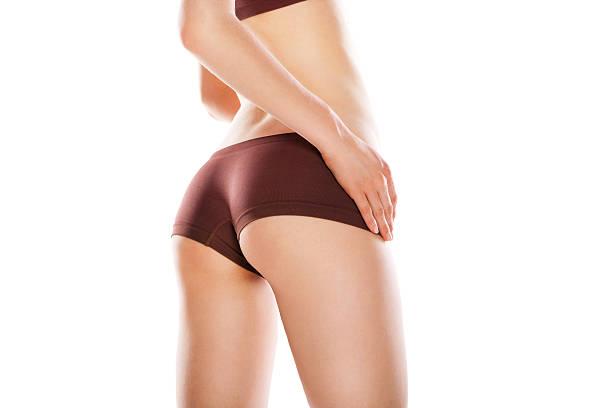

Brazilian butt lift surgery uses the body's own fat to improve buttock shape, volume, and overall body proportions. Although the procedure can create fuller contours, the transferred fat goes through a natural healing and adaptation process after surgery. Some fat cells establish a blood supply and remain in the treated area, while others are gradually absorbed by the body. Individuals considering a Brazilian Butt Lift (BBL) in Riyadh should understand how transferred fat behaves, what influences its survival, and why postoperative care is important for achieving stable results.
How Does Transferred Fat Behave After Surgery?
When fat is transferred from one body area to another, the cells need to receive oxygen and nutrients from the surrounding tissues. During the initial healing period, the transferred fat depends on nearby blood vessels while establishing its own blood supply. Fat cells that successfully receive adequate nourishment may survive long-term. Cells that do not establish sufficient blood supply may gradually break down and be reabsorbed by the body.
The Different Stages of Fat Survival
Initial Healing Period
Immediately after surgery, the treated area experiences inflammation, swelling, and changes in tissue circulation. The transferred fat begins adapting to its new location. Patients may notice that the buttocks appear fuller initially, partly because of swelling and the volume of transferred tissue.
Blood Supply Development
During the following weeks, surviving fat cells depend on the development of a healthy blood supply. This process is essential because oxygen and nutrients support cell survival. The quality of surrounding tissue, surgical technique, and the amount of fat transferred can influence this stage.
Fat Stabilization
Over the following months, the surviving fat gradually becomes established in the treated area. Some transferred fat is naturally absorbed, which means the initial volume may decrease. Once healing progresses, the remaining fat generally behaves like fat elsewhere in the body.
Why Does Some Transferred Fat Get Reabsorbed?
Not every transferred fat cell survives after transplantation. Limited blood supply, excessive fat placement in a particular area, tissue trauma, and individual healing differences may influence fat survival. The body's natural response can also contribute to the gradual absorption of some transferred tissue. Surgeons therefore consider the patient's anatomy and tissue characteristics when planning the amount and distribution of fat transfer.
Factors That Influence Fat Transfer Results
Surgical Technique
Careful fat harvesting, processing, and placement are important for protecting transferred tissue. Modern safety recommendations emphasize placing fat in the subcutaneous layer above the gluteal muscle. Ultrasound guidance is recommended to confirm the cannula's position during injection because deep or intramuscular fat placement can cause life-threatening complications.
Individual Body Characteristics
Body composition, tissue quality, circulation, and general health can influence how transferred fat behaves. Patients with different anatomical characteristics may experience different levels of fat retention, even when similar surgical techniques are used.
Weight Changes
Transferred fat cells can increase or decrease in size as body weight changes. Significant weight gain may increase the volume of surviving fat, while substantial weight loss may reduce it. Maintaining a relatively stable weight can help preserve the intended body contours.
How to Protect Transferred Fat During Recovery
People considering a Brazilian Butt Lift (BBL) in Riyadh should understand that postoperative care plays an important role in recovery. Surgeons commonly recommend avoiding direct pressure on the buttocks during the initial healing period. Special cushions and alternative sitting positions may be advised according to individual circumstances. Patients should also follow instructions regarding wound care, medication, physical activity, and follow-up appointments. Light walking may be encouraged, while strenuous exercise should be postponed until the surgeon provides clearance.
When Can You See the Final Results?
The appearance of the buttocks changes as swelling decreases and the transferred fat stabilizes. Initial fullness may gradually reduce as the body reabsorbs some of the transferred tissue. Final contours generally become clearer over several months. Regular follow-up appointments help the surgeon monitor healing and assess the developing results.
Understanding Safety and Possible Complications
Brazilian butt lift surgery is a major procedure with serious potential risks, including infection, bleeding, blood clots, and fat embolism. Patients should choose a properly qualified plastic surgeon and an appropriately accredited surgical facility. Ultrasound-guided fat placement, appropriate surgical planning, and careful postoperative monitoring are important safety considerations.
Book Your Consultation at Royal Clinic Saudi
If you want to understand how fat transfer works and whether this procedure suits your aesthetic goals, arrange a consultation at Royal Clinic Saudi. The clinical team can discuss surgical suitability, expected healing, safety considerations, and personalized treatment planning.
FAQs:
1. Does all transferred fat survive?
No, some fat is naturally reabsorbed during healing.
2. When does transferred fat stabilize?
It generally stabilizes over several months.
3. Can weight changes affect transferred fat?
Yes, surviving fat cells can change with body weight.
4. Does avoiding pressure help during recovery?
Yes, following pressure restrictions helps protect the healing area.
