

Why Does My House Smell Like Septic? 2026 Guide to Causes and Solutions

Walking into your home and noticing a strong sewage or rotten-egg smell can be unpleasant and concerning. The odor may appear in a bathroom, kitchen, laundry room, or throughout the entire property. Sometimes it disappears after a few minutes, while other times it returns repeatedly.
If you are wondering, why does my house smell like septic, the cause could be something as simple as a dry plumbing trap or something more serious, such as a blocked vent pipe, damaged sewer line, or failing septic system.
Understanding where the smell originates is the first step toward correcting the problem. Ignoring persistent sewage odors can allow plumbing defects, moisture problems, and wastewater issues to become more expensive to repair.
Why Does My House Smell Like Septic?
A septic-like smell inside a home usually indicates that sewer gases or wastewater odors are escaping somewhere they should not. Several plumbing and septic system problems can cause this situation.
1. A Dry P-Trap Allows Sewer Gas Inside
One of the most common causes of sewage odors is a dry P-trap.
A P-trap is the curved section of pipe beneath sinks, showers, and other plumbing fixtures. It holds a small amount of water that creates a barrier between indoor living spaces and sewer gases.
When a sink, shower, or floor drain is not used for an extended period, the water inside its trap can evaporate. Without that water barrier, unpleasant odors may enter the room.
What to do: Run water through unused sinks and showers for a short time to refill their traps. If the odor continues, have a plumber investigate the drain and trap assembly.
2. A Blocked or Damaged Plumbing Vent
Plumbing vent pipes help regulate pressure inside the drainage system and allow sewer gases to escape above the roof.
If a vent becomes blocked by leaves, debris, or other obstructions, plumbing fixtures may drain improperly. You might also notice gurgling sounds, slow drainage, or unpleasant odors.
A damaged or improperly installed vent can create similar problems.
What to do: Have a qualified plumber inspect the vent system. Avoid climbing onto the roof to investigate a suspected blockage yourself.
3. A Septic Tank That Needs Attention
A septic system separates wastewater into different layers and directs treated liquid toward the drainfield. Over time, solids accumulate inside the tank and require appropriate pumping and maintenance.
If the system is overdue for service, overloaded, damaged, or experiencing a mechanical problem, odors may develop around the property or enter the home through plumbing connections.
Other warning signs can include slow drains, gurgling toilets, sewage backups, and unusually wet areas near the tank or drainfield.
What to do: Contact a qualified septic service provider to evaluate the system and determine whether pumping, repairs, or further inspection are necessary.
4. A Damaged Sewer Line
A cracked, leaking, or blocked sewer line can allow wastewater odors to escape before sewage reaches the septic tank or municipal sewer connection.
Tree roots, ground movement, aging pipes, corrosion, and physical damage may contribute to sewer line problems.
Homeowners may notice recurring drain clogs, slow drainage, wet areas near underground pipes, or odors that become stronger after using multiple plumbing fixtures.
What to do: Arrange a professional plumbing evaluation. A sewer camera inspection may help identify blockages, cracks, root intrusion, and other problems inside an accessible sewer line.
5. A Failing Septic Drainfield
The drainfield is an important part of a septic system because it distributes wastewater into the surrounding soil for additional treatment.
When the drainfield becomes overloaded, clogged, or otherwise damaged, wastewater may not drain properly.
Possible warning signs include:
-
Standing water near the drainfield
-
Soft or spongy soil
-
Persistent sewage odors outdoors
-
Bright green, unusually lush grass over the drainfield
-
Slow drains or wastewater backing up indoors
These symptoms deserve prompt attention because a malfunctioning drainfield can create sanitation and environmental concerns.
Is a Septic Smell Inside Your House Dangerous?
A sewage odor should never be ignored, particularly when it is persistent or accompanied by other warning signs.
Sewer gas can contain hydrogen sulfide, a colorless gas known for its rotten-egg smell. Depending on the concentration and duration of exposure, hydrogen sulfide can cause health effects. Importantly, the human sense of smell can become fatigued at dangerous concentrations, so losing the odor does not necessarily mean the air is safe.
If you notice a strong or overwhelming sewage or rotten-egg odor, leave the affected area and get fresh air. If anyone experiences dizziness, nausea, breathing difficulties, confusion, or other concerning symptoms, seek urgent medical assistance. Contact emergency services or the appropriate utility or safety professionals when a potentially hazardous gas exposure is suspected.
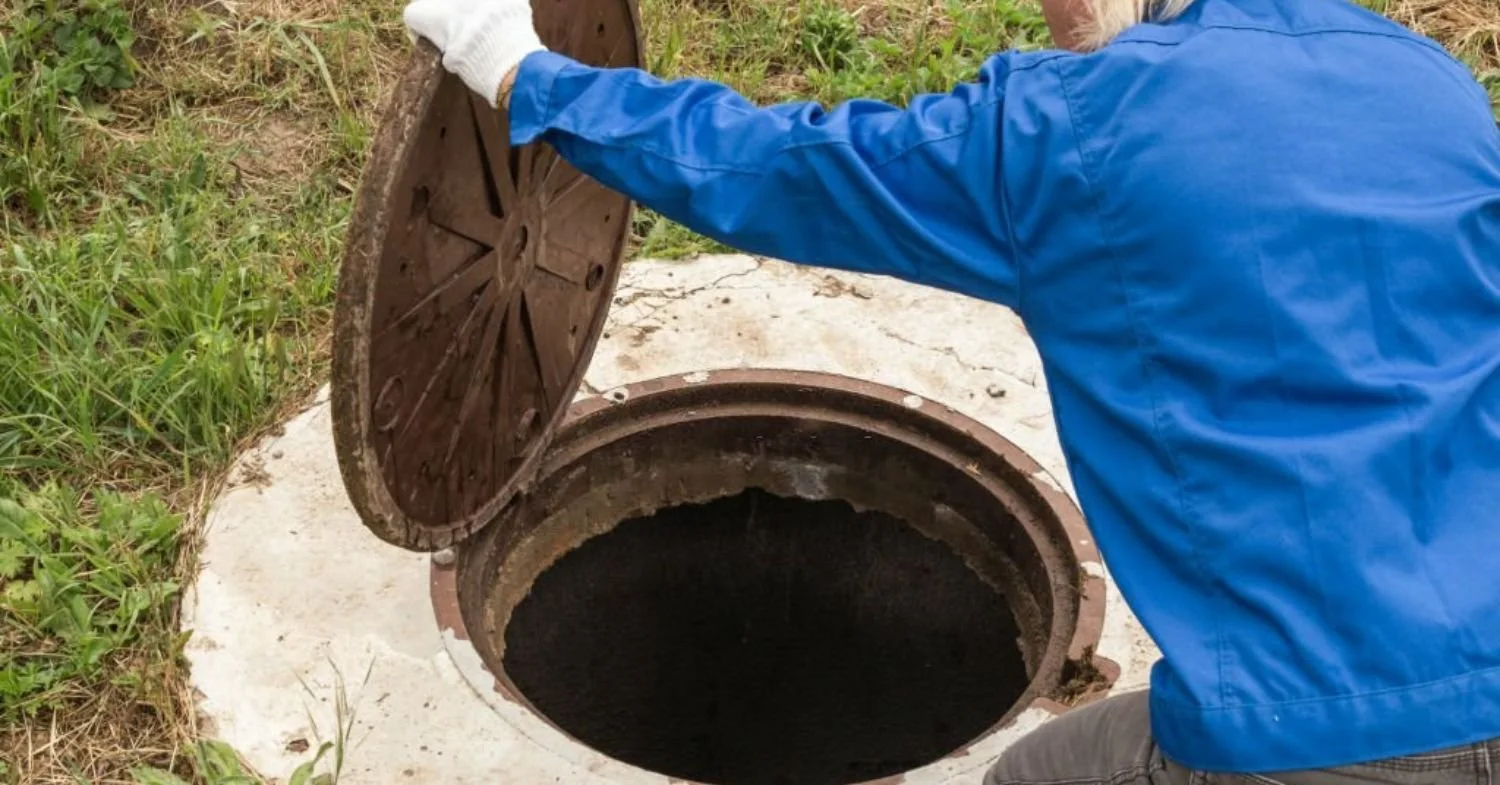
Never enter a septic tank, sewer, or other confined wastewater space to investigate an odor. These spaces can contain dangerous gases and have insufficient oxygen.
How to Get Rid of Septic Smells in Your House
The best solution depends on the source of the odor. Covering it with air fresheners or household fragrances will not correct the underlying problem.
Here are practical steps homeowners can take:
Refill unused drain traps. Run water through rarely used sinks, showers, and floor drains. This may restore the water barrier that prevents sewer gases from entering the home.
Check for plumbing leaks. Look beneath sinks, around toilets, and near accessible drain connections for visible moisture or damaged fittings.
Watch for slow drains and gurgling. These symptoms may indicate a blockage, venting problem, or septic system issue that requires professional attention.
Avoid excessive wastewater use. If a septic system is showing signs of trouble, reduce unnecessary water use until a professional evaluates it. Avoid running several loads of laundry or other high-water activities back-to-back.
Arrange professional repairs. A plumber or qualified septic service provider can identify the source of the odor and recommend an appropriate solution.
Never pour random chemicals or excessive disinfectants into a septic system to eliminate odors. Some products can interfere with normal septic system operation.
How Can a Septic System Inspection Help?
A professional septic system inspection can help identify problems before they develop into more serious failures.
Depending on the inspection scope, an evaluation may include accessible septic tank components, lids, baffles, filters, pumps, alarms, floats, treatment tanks, and the absorption field.
For Florida homeowners, routine attention is particularly important because heavy rainfall, high groundwater conditions, and excessive wastewater use can place additional stress on septic systems.
Guardian Angel Inspections serves homeowners across Central and South Florida and helps arrange septic system inspection services through a third-party licensed and insured septic inspection company.
If you are investigating why does my house smell like septic, a professional evaluation can help determine whether the concern involves the septic system or whether a plumber needs to examine the home's drainage and venting.
How Can You Prevent Septic Odors in the Future?
Preventive maintenance can reduce the likelihood of recurring sewage odors and unexpected septic problems.
-
Schedule septic system inspections at appropriate intervals.
-
Pump the tank when recommended based on its size, household use, and accumulated solids.
-
Avoid flushing wipes, sanitary products, grease, and other unsuitable materials.
-
Repair leaking plumbing fixtures promptly.
-
Keep roof plumbing vents and accessible drainage components properly maintained.
-
Avoid driving or parking heavy vehicles over the drainfield.
-
Keep records of septic inspections, pumping, and repairs.
The EPA generally recommends inspecting septic systems every one to three years and pumping tanks every three to five years, although actual schedules depend on the system and household conditions.
Conclusion
If you have been asking, why does my house smell like septic, the cause may be a dry P-trap, blocked plumbing vent, damaged sewer line, or malfunctioning septic system. The location of the odor and any additional warning signs can help narrow down the possibilities.
Persistent sewage odors should not be covered up or ignored. Identifying the source early can help prevent wastewater damage, costly repairs, and potential health concerns.
For homeowners in Central and South Florida, Guardian Angel Inspections can help arrange a professional septic system inspection to evaluate relevant components and identify conditions that may require further attention. Contact the team to learn more about protecting your home and maintaining your septic system.
