

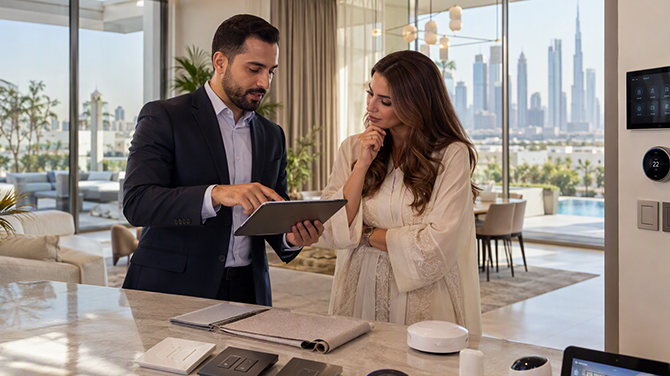

Renting a home does not mean you cannot enjoy modern technology. Many tenants want simple ways to control lights, improve security, and manage electricity use without making permanent changes to the property. Home Automation Companies offer different types of solutions, but not every system is suitable for rented homes. Some devices need wiring, drilling, or changes to existing electrical connections. Others can be installed and removed without damaging walls. Choosing the right devices depends on the rental agreement, property layout, budget, and daily needs.
1. Why Should Tenants Choose Wireless Home Automation?
Wireless home automation is a useful option for rental properties because it usually does not require major changes to the building. Many devices connect through Wi-Fi, Bluetooth, or other wireless communication methods.
For example, tenants can use wireless switches, smart plugs, and smart bulbs without changing the main electrical wiring. These devices can often be removed when moving to another property.
Another benefit is easy installation. Most wireless devices come with simple setup instructions. Users can connect them to a mobile app and control them through their smartphones.
Before installing any device, tenants should check the rental agreement. Some landlords may have rules about changing electrical equipment or installing connected devices.
2. Are Smart Lighting Systems Suitable for Rental Homes?
Smart lighting is one of the easiest ways to add automation to a rented home. Tenants can replace compatible bulbs with smart bulbs and control them through a mobile application.
These bulbs allow users to turn lights on or off, adjust brightness, and sometimes change colours. Some products also support schedules, which means lights can turn on or off at selected times.
For example, a tenant can set the bedroom lights to switch off automatically at bedtime. They can also turn on the living room lights before arriving home.
Smart bulbs are useful because they generally do not require permanent installation. However, users should check bulb sizes, fittings, and switch compatibility before buying them.
3. How Can Smart Plugs Help in Rental Properties?
Smart plugs are another practical option for tenants. They connect to existing electrical sockets and allow users to control compatible appliances through a mobile phone.
A smart plug can be useful for lamps, fans, and other suitable devices. Users can create schedules or switch connected appliances on and off remotely, depending on the product features.
For example, a tenant can schedule a table lamp to turn off at a fixed time every night. This reduces the need to operate it manually.
However, smart plugs are not suitable for every electrical appliance. Users must check the plug's power rating and the appliance's electrical requirements before connecting them. High-power appliances should only be used with equipment designed to support their load.
4. Can Smart Security Devices Be Installed Without Drilling?
Security is an important concern for people living in rented homes. However, installing traditional security systems may require drilling, wiring, and permanent changes.
Wireless security devices offer another option. Tenants can consider portable indoor cameras, wireless door sensors, and motion sensors.
Door and window sensors can send alerts when an entry point is opened. Indoor cameras can help users check their living spaces while they are away.
Some cameras also offer motion detection and two-way communication. Before installing cameras, tenants should consider privacy and local rules. Cameras should not record neighbours, shared areas, or private spaces belonging to other people.
It is also important to discuss security installations with the landlord when required.
5. Are Smart Curtains a Good Choice for Rental Apartments?
Smart curtains can make everyday activities easier, especially in apartments with large windows. They allow users to open and close curtains through a remote control, mobile application, or voice assistant.
Some smart curtain systems use battery-powered motors and do not need permanent electrical wiring. Certain models can also be attached to existing curtain rails.
Tenants can set schedules to open curtains in the morning and close them in the evening. This can help manage natural light and privacy.
Before purchasing a system, users should measure their existing curtain tracks and check the motor's compatibility. They should also choose an installation method that does not damage the walls or window frames.
6. Should Rental Properties Use Voice-Controlled Devices?
Voice-controlled devices can make simple home activities more convenient. Smart speakers and compatible voice assistants allow users to control connected lights, plugs, and other devices through spoken commands.
For example, a tenant can say a command to turn off the bedroom lights or switch on a connected lamp. This can be helpful when carrying shopping bags or when moving around the home at night.
Most voice-controlled devices need a stable internet connection and compatible smart products.
Tenants should also review privacy settings. Some smart speakers process voice commands through online services, so it is important to understand how voice recordings and personal information are handled.
7. What Should Tenants Check Before Installing Home Automation?
Before purchasing smart devices, tenants should consider a few important points.
Rental Agreement: Check whether the landlord allows changes to electrical fittings, switches, doors, and windows. Avoid making permanent changes without permission.
Installation Method: Choose devices that use removable fittings, batteries, or existing sockets. This can make it easier to remove them when leaving the property.
Internet Connection: Many smart devices need Wi-Fi to work properly. Check whether the existing internet connection supports the devices you plan to use.
Device Compatibility: Make sure different products can work with the same mobile application or smart home platform if you want to control them together.
Moving to Another Home: Choose portable devices that can be disconnected and installed in another property. Keep the original packaging and installation instructions where possible.
Maintenance: Check battery life, software updates, and product support. These details can affect how easily the devices work over time.
8. Can Tenants Build a Smart Home Without Permanent Changes?
Yes, tenants can create a useful smart home setup without changing the building structure. A simple setup can include smart bulbs, smart plugs, wireless sensors, and a portable smart speaker.
There is no need to automate every room at once. Tenants can start with the areas where they need more convenience. For example, smart lighting may be enough for a small apartment, while a larger rental home may benefit from additional sensors and security devices.
It is also helpful to select products that can work independently. This gives tenants more flexibility when replacing devices or moving to another home.
When comparing different products and installation methods, information from Home Automation Companies can help tenants understand which systems are suitable for rental properties and which options may require permanent changes.

