

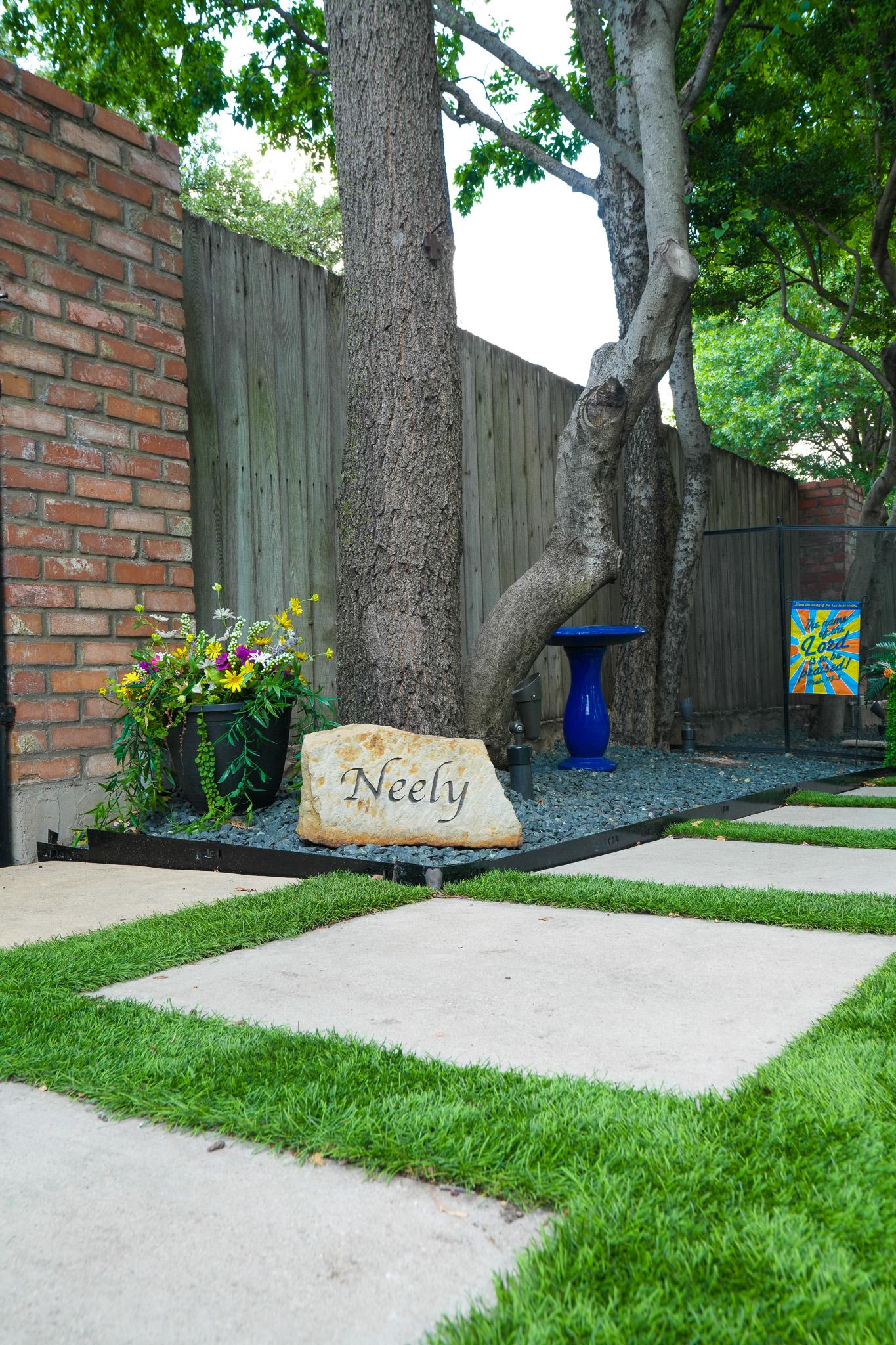
Transform Your Outdoor Space With Professional Landscaping and Thoughtful Design

A beautiful outdoor space can make a home more welcoming, comfortable, and enjoyable. Whether you want to improve your front yard, create a relaxing backyard, or update an entire property, professional landscaping can help bring your ideas to life. A well-planned landscape combines attractive features with practical elements, making the outdoor area easier to maintain and better suited to your lifestyle.
Homeowners looking for a landscaper Colleyville TX often want more than basic lawn care. They may need help with garden layouts, planting, outdoor lighting, walkways, patios, and other features that improve the overall appearance of their property. Similarly, choosing a landscape design company in Southlake TX can help homeowners develop an outdoor plan that complements their home's architecture and makes better use of available space.
Understanding the landscaping process, design options, and maintenance requirements can help you make informed decisions before starting your next outdoor project.
Why Professional Landscaping Matters
Landscaping is an important part of maintaining an attractive and functional property. A well-designed yard creates a positive first impression while providing outdoor areas for relaxation, entertainment, and everyday activities.
Professional landscaping also helps homeowners make better use of their available space. Instead of placing plants and decorative features randomly, a planned design considers the property's layout, sunlight, drainage, and existing structures.
Improving Curb Appeal
The front yard is often the first part of a property visitors notice. Healthy grass, properly arranged plants, attractive garden beds, and clean walkways can make a home look more inviting.
Simple improvements can create a noticeable difference. Adding colorful flowers, defining garden borders, trimming shrubs, and maintaining the lawn can help create a neat and balanced appearance.
A professional landscaping plan also considers how different features work together. Plant sizes, colors, textures, and placement all contribute to the overall appearance of the outdoor space.
Creating Comfortable Outdoor Living Areas
A backyard can provide much more than an open area behind the house. With thoughtful planning, it can become a comfortable place for family gatherings, outdoor dining, relaxation, and recreation.
Features such as patios, seating areas, shade structures, and decorative lighting can make outdoor spaces more useful. The right arrangement allows homeowners to enjoy their yards while keeping different activities organized.
Important Elements of a Successful Landscape Design
Good landscape design balances appearance, comfort, and functionality. Every property has different requirements, so the design should reflect the available space, homeowner preferences, and environmental conditions.
Choosing Plants That Suit the Property
Plant selection plays an important role in the long-term success of a landscape. Different plants require different amounts of sunlight, water, and maintenance.
In North Texas, hot summers and changing seasonal conditions make it important to select plants that can handle local weather. Native and well-adapted plants can be useful options because many are suited to regional growing conditions.
Before selecting plants, consider:
-
The amount of direct sunlight each area receives.
-
Soil conditions and drainage requirements.
-
The mature size and growth habits of each plant.
-
Water requirements and seasonal maintenance needs.
-
The colors, textures, and appearance of the plants throughout the year.
Combining different plant heights and textures can create depth and visual interest. Trees can provide shade, shrubs can define garden areas, and flowering plants can introduce seasonal color.
Planning Lawn and Garden Areas
A healthy lawn can provide an open, attractive surface for outdoor activities. However, lawn areas should be planned according to how the space will be used.
For example, a family with children may need an open area for playing, while homeowners who prefer a decorative garden may want more planting beds and pathways.
Garden beds should also have clear boundaries to prevent grass from spreading into planting areas. Proper preparation, suitable soil, and appropriate plant spacing can support healthier growth.
Landscape Design Ideas for Modern Homes
A landscape does not need to be complicated to look attractive. Simple design choices can create a balanced outdoor environment that complements the home.
Incorporating Patios and Walkways
Patios provide a practical surface for outdoor furniture, dining tables, and seating arrangements. They can also connect different parts of the yard and create a natural gathering area.
Walkways improve accessibility while adding structure to the landscape. Materials such as concrete, natural stone, and pavers can be used to create paths that match the property's overall style.
When planning these features, consider the direction of foot traffic, surface stability, drainage, and the amount of space needed for comfortable movement.
Adding Trees and Natural Shade
Trees can improve the appearance of a property while providing valuable shade. Proper placement is important because trees can influence sunlight, nearby plants, and outdoor temperatures.
Homeowners should consider the mature height and spread of a tree before planting it. Root growth, distance from buildings, and maintenance requirements should also be reviewed.
Using Outdoor Lighting
Outdoor lighting can improve visibility and make outdoor areas more comfortable after sunset. Path lights, landscape spotlights, and patio lighting can highlight important features and support safe movement around the property.
Lighting should be placed carefully to avoid excessive brightness and unnecessary glare. Energy-efficient options can also help reduce electricity use.
Understanding the Landscaping Process
A successful landscaping project begins with understanding the property's needs. Planning before installation can reduce unexpected problems and help ensure that each feature serves a clear purpose.
Initial Property Assessment
The first step is evaluating the existing outdoor space. This includes reviewing the lawn, garden areas, soil conditions, drainage, sunlight, and available space.
The assessment also helps identify existing problems. Uneven ground, standing water, damaged grass, and overcrowded plants may need attention before new features are installed.
Developing a Practical Design Plan
Once the property's requirements are understood, a design plan can be created. This plan should consider the homeowner's goals, preferred appearance, available budget, and expected maintenance.
It is useful to decide which features are essential and which can be added later. This approach makes it easier to organize the project and avoid spending money on unnecessary elements.
Preparing and Installing the Landscape
Proper preparation helps create a strong foundation for the finished landscape. Depending on the project, preparation may include clearing unwanted vegetation, improving soil, adjusting grading, and planning irrigation.
Installation should follow the design plan, with attention to plant spacing, material placement, and drainage. Careful work during this stage can help reduce future maintenance issues.
Common Landscaping Mistakes to Avoid
Even attractive landscaping can become difficult to maintain when important details are overlooked. Planning ahead helps homeowners avoid problems that may increase costs or affect the property's appearance.
Selecting Plants Without Considering Growth
A plant may look small when purchased but become much larger as it matures. Placing trees or shrubs too close together can create overcrowding and limit healthy growth.
Always consider the mature size of plants before installation. Proper spacing allows air circulation, sunlight, and room for future development.
Ignoring Drainage Requirements
Water management is essential for maintaining a healthy landscape. Poor drainage can cause standing water, soil erosion, and damage to plants or nearby structures.
Before installing new features, evaluate how water moves through the property. Grading adjustments and suitable drainage solutions may be necessary in areas where water collects.
Choosing Design Features Without a Maintenance Plan
Some landscaping features require regular attention. Certain plants need frequent trimming, while lawns may require seasonal care and irrigation adjustments.
Homeowners should consider how much time they can dedicate to maintenance. Choosing suitable plants and durable materials can help keep the landscape attractive without creating an overwhelming workload.
How to Choose the Right Landscaping Professional
Selecting a qualified landscaping professional is an important part of achieving the desired results. Homeowners should look beyond appearance and consider the planning process, communication, experience, and quality of work.
Review Experience and Previous Projects
Look at examples of completed landscaping projects to understand the professional's design approach and workmanship. Previous projects can provide useful information about their ability to work with different property sizes and outdoor features.
Discuss Your Goals and Budget
Clear communication helps prevent misunderstandings. Explain what you want to achieve, which features matter most, and how much you plan to spend.
Ask for a detailed estimate that explains the expected work, materials, preparation, and installation. Understanding what is included makes it easier to compare proposals.
Ask About Maintenance and Long-Term Care
A completed landscape needs proper care to remain attractive. Ask which maintenance tasks will be necessary after installation and whether the selected plants and materials suit your expectations.
A reliable professional should be able to explain the practical requirements of the proposed design and help you understand how to care for the finished space.
Maintaining Your Landscape Throughout the Year
Regular maintenance protects your landscaping investment and supports healthy plant growth. North Texas weather can change significantly throughout the year, so outdoor care should adjust to seasonal conditions.
Seasonal Lawn and Plant Care
During warmer months, monitor soil moisture and adjust watering based on rainfall, plant requirements, and local watering guidelines. Avoid watering simply because the lawn looks dry on the surface, as soil conditions should also be considered.
In cooler months, remove damaged plant material, inspect trees and shrubs, and prepare sensitive plants for changing temperatures.
Keeping Outdoor Features in Good Condition
Patios, walkways, garden borders, and outdoor lighting also need occasional attention. Cleaning surfaces, checking for loose materials, removing weeds, and inspecting lighting fixtures can help preserve the appearance and usability of the landscape.
Consistent maintenance makes it easier to identify small problems before they become larger repairs.
Conclusion
A thoughtfully designed landscape can improve curb appeal, create comfortable outdoor living areas, and make a property more enjoyable throughout the year. From selecting suitable plants to installing patios, walkways, and lighting, every detail contributes to the overall result. Homeowners searching for a landscaper Colleyville TX or a landscape design company in Southlake TX should prioritize careful planning, quality workmanship, and long-term maintenance. W5LC Landscape can help homeowners explore landscaping possibilities and create outdoor spaces that reflect their needs, preferences, and property goals.
