

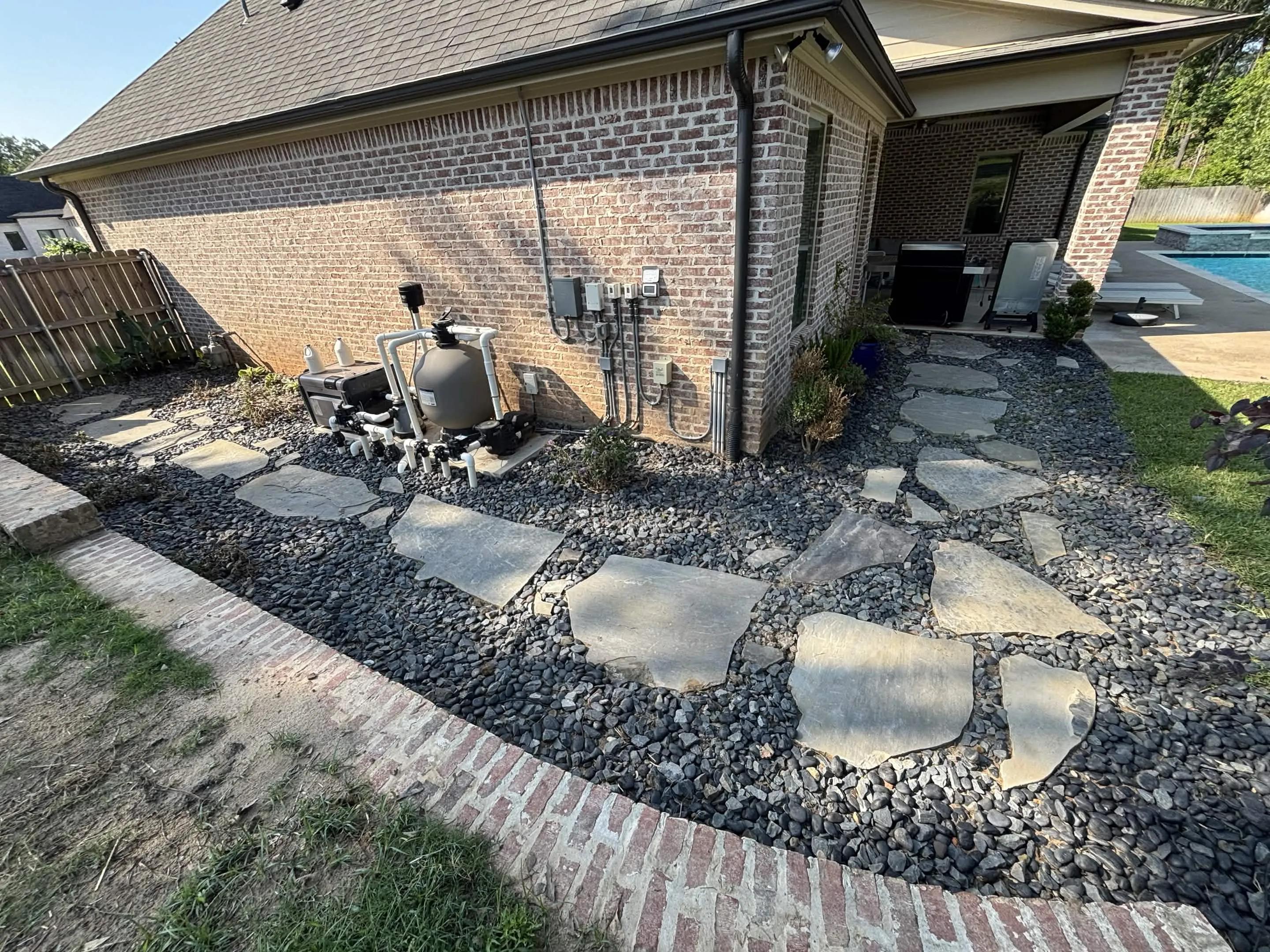
Landscaping Company in Tyler TX: Transform Your Outdoor Space with Beautiful Landscaping and Retaining Walls

A beautiful outdoor space can make a home more welcoming, comfortable, and enjoyable. Whether you want to improve your front yard, create a relaxing backyard, or make better use of uneven ground, professional landscaping can help bring your ideas to life. A well-planned landscape combines attractive plants, durable materials, and practical outdoor features to create a space that suits your property and lifestyle.
Finding a reliable landscaping company in Tyler TX is an important step toward achieving these goals. From landscape design and garden improvements to hardscaping and retaining wall construction, professional services can help homeowners improve the appearance and function of their outdoor areas.
Retaining walls are especially useful for properties with sloped yards or soil movement concerns. They provide support, create level spaces, and add an attractive feature to the overall landscape. Understanding how landscaping and retaining walls work together can help you make informed decisions about your next outdoor improvement project.
Why Professional Landscaping Is Important for Your Home
Landscaping involves more than maintaining grass and planting flowers. It is about designing an outdoor environment that looks good, supports everyday activities, and works with the natural conditions of your property.
Professional landscape planning considers the shape of the yard, soil conditions, sunlight, drainage, and the homeowner's preferences. These details help determine which plants, materials, and outdoor features will work best.
Improve Your Property's Curb Appeal
Your front yard creates the first impression of your home. An organized landscape with healthy plants, clean garden beds, attractive pathways, and properly maintained grass can make the property look more inviting.
Landscape improvements can also help connect the appearance of your home with its outdoor surroundings. For example, decorative stone borders, flowering plants, and carefully placed shrubs can create a balanced appearance without making the yard feel crowded.
Create a Comfortable Outdoor Living Area
A backyard can become more than an unused open space. With thoughtful planning, it can provide an area for relaxing, spending time with family, and entertaining guests.
Features such as patios, seating areas, garden spaces, and walkways can make the yard more useful. Combining these elements with suitable plants and hardscaping creates an outdoor environment that supports different activities.
Landscaping Services That Make a Difference
Every property has different landscaping needs. Some homeowners want a complete outdoor transformation, while others prefer smaller improvements that address specific problems.
Landscape Design and Installation
A successful landscaping project starts with a clear plan. Landscape design helps determine where plants, trees, garden beds, pathways, and other features should be placed.
The design should consider how people move through the yard and how each area will be used. It should also account for plant growth, available sunlight, and water requirements.
Professional installation helps bring the design together while reducing the chances of problems caused by poor placement or unsuitable materials.
Garden Beds and Plant Selection
Plants add natural color, texture, and character to outdoor spaces. However, selecting the right plants requires attention to local weather, soil, and sunlight.
Tyler, Texas, experiences hot summers and seasonal rainfall, so plants should be selected according to their ability to handle local growing conditions. Native and regionally suitable plants can be useful choices because they are generally better adapted to the local environment.
Hardscaping and Outdoor Improvements
Hardscaping includes features made from materials such as stone, concrete, and pavers. These elements provide structure and help make outdoor areas easier to use.
Popular hardscaping features include:
-
Stone and paver walkways that connect different areas of the property.
-
Patios that provide comfortable spaces for outdoor activities.
-
Decorative borders that separate lawns and garden beds.
-
Retaining walls that support soil and create level landscape areas.
When hardscaping is planned alongside plants and lawn areas, it creates a more organized and attractive outdoor design.
Retaining Wall Contractor in Tyler TX: Protect and Improve Your Landscape
Retaining walls are an important feature for properties with uneven ground, sloped yards, or areas affected by soil erosion. They help hold soil in place while creating more organized and usable outdoor spaces.
Hiring a knowledgeable retaining wall contractor in Tyler TX can help homeowners choose an appropriate wall design, construction material, and drainage solution for their property.
Reduce Soil Erosion
Heavy rainfall and water flowing downhill can gradually move soil from one area to another. This may affect garden beds, expose plant roots, and create uneven sections of the yard.
A properly designed retaining wall helps support the soil and manage changes in ground elevation. The wall should also include suitable drainage measures to prevent water pressure from building up behind the structure.
Create Level Areas in Sloped Yards
Sloped yards can make it difficult to install patios, garden beds, and other outdoor features. Retaining walls help divide these areas into different levels, making the available space easier to use.
For example, homeowners can create a raised planting area, a level lawn section, or a separate patio space. This allows different parts of the yard to serve specific purposes.
Improve the Overall Landscape Design
Retaining walls can provide both practical support and visual appeal. Their shape, material, and placement can complement the surrounding landscape.
A stone retaining wall may create a natural appearance, while concrete blocks can provide a clean and organized finish. Adding plants or decorative features around the wall can help connect it with the rest of the outdoor design.
Different Types of Retaining Wall Materials
Choosing the right material is important for the appearance and performance of a retaining wall. The best option depends on the wall's height, location, soil conditions, and intended purpose.
Natural Stone Retaining Walls
Natural stone is a popular choice for homeowners who want an outdoor feature that blends with the surrounding environment. Its natural colors and textures can complement gardens, patios, and landscaped slopes.
Stone walls can be used for decorative borders and certain structural applications. Their construction should account for stability, foundation preparation, and proper drainage.
Concrete Block Retaining Walls
Concrete blocks offer a versatile option for residential landscaping. They are available in different sizes, shapes, and finishes, making it possible to create various wall designs.
These walls can work well for raised garden beds, terraced yards, and other outdoor improvements. Proper installation is essential to ensure the wall can support the soil behind it.
Timber Retaining Walls
Timber walls offer a natural and simple appearance. They may be suitable for certain smaller landscaping applications, depending on the ground conditions and project requirements.
Because wood can deteriorate when exposed to moisture, homeowners should consider its expected lifespan and maintenance needs before choosing this material.
Important Factors to Consider Before Installing a Retaining Wall
Retaining wall construction requires careful planning. A wall that looks attractive but does not account for soil pressure or water movement may develop problems over time.
Proper Drainage Planning
Drainage is one of the most important parts of retaining wall construction. Water collecting behind a wall can increase pressure and contribute to movement or structural damage.
A suitable drainage system may include drainage stone, perforated pipes, and other features based on the site conditions. The design should also consider nearby irrigation and surface water flow.
Soil and Ground Conditions
The condition of the soil affects how a retaining wall should be built. Some properties have soil that holds water, while others have ground that drains more quickly.
A contractor should evaluate the installation area before selecting the wall design. Larger or more complex retaining walls may require professional engineering assessment to confirm their stability.
Wall Height and Property Layout
The height and location of a retaining wall influence its construction requirements. A wall supporting a small garden bed has different needs from one holding back a large amount of soil.
Nearby buildings, driveways, fences, underground utilities, and slopes should also be considered during planning.
How to Maintain Your Landscape and Retaining Wall
Regular maintenance helps keep outdoor spaces attractive and allows homeowners to identify potential problems before they become more serious.
Inspect Walls and Drainage Areas
Check retaining walls periodically for visible movement, leaning, cracks, loose materials, or areas where soil appears to be escaping. Pay attention to drainage outlets and make sure they are not blocked by leaves or other debris.
After heavy rainfall, look for unusual water accumulation around the wall. Addressing drainage concerns early can help reduce the risk of further damage.
Care for Plants and Garden Beds
Healthy plants improve the appearance of your landscape and help create a balanced outdoor environment. Regular watering, trimming, mulching, and removing unwanted growth can keep garden areas in good condition.
Avoid placing plants with aggressive root systems too close to retaining walls unless their suitability has been considered during the design process.
Choosing the Right Landscaping Professional in Tyler
A landscaping project is an investment in your property's appearance and usability. Before selecting a contractor, take time to understand their experience and approach to project planning.
Consider these important points:
-
Review examples of previous landscaping and retaining wall projects.
-
Ask about material options and installation methods.
-
Request a written estimate with clear project details.
-
Discuss drainage, soil preparation, and maintenance requirements.
-
Confirm whether permits or engineering plans are needed for the proposed work.
Clear communication helps homeowners understand the project and set realistic expectations about costs, materials, and completion time.
Conclusion
A well-designed landscape can improve curb appeal, create comfortable outdoor living areas, and make better use of available property space. Retaining walls provide additional benefits by supporting soil, managing sloped areas, and creating level sections for gardens, patios, and other outdoor features.
Whether you are planning a complete yard improvement or need a reliable solution for uneven ground, working with experienced professionals can help you make informed decisions. Breaking Groud Outdoor can help homeowners explore landscaping and retaining wall solutions that complement their properties and outdoor goals. With thoughtful planning, suitable materials, and proper installation, you can create an attractive and functional outdoor space that you and your family can enjoy for years to come.
