

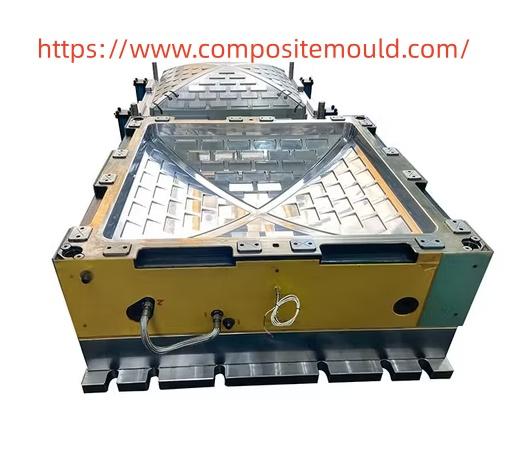

BMC Mould selection requires buyers to consider how a proposed tool will fit into their actual manufacturing workflow. A quotation may describe dimensions, materials, and delivery arrangements, but these details do not always explain how the tooling will perform within a particular production environment. Before placing an order, purchasing teams should connect product requirements with engineering decisions, equipment conditions, quality expectations, and long-term operating plans. This approach gives both the buyer and manufacturer a clearer understanding of the project.
Prepare Product Information Before Requesting a Quotation
A detailed product brief gives the engineering team a practical starting point. Buyers should prepare current product drawings, three-dimensional files when available, dimensional requirements, and information about the component structure. Details such as wall thickness, ribs, openings, inserts, curved sections, and functional connection points may affect the proposed cavity arrangement.
It is also useful to identify which dimensions are essential to product assembly or performance. When every measurement is presented with the same priority, it may become difficult to distinguish critical requirements from general reference dimensions. A clearly marked drawing can help both parties focus on the areas that need particular attention.
If the product is still under development, buyers should explain which design details may change. This allows the manufacturer to discuss possible tooling adjustments before construction begins.
Discuss Compound Characteristics and Processing Conditions
The selected compound and its processing requirements influence how the tooling should be planned. Buyers should provide available material information, including the grade, formulation requirements, reinforcement details, and any restrictions on material substitution.
Processing conditions also deserve attention. Temperature settings, curing requirements, press operation, and expected production rhythm should be discussed during the engineering stage. These details help the manufacturer consider the relationship between cavity geometry and the intended forming process.
Buyers should avoid assuming that a tool designed for one material formulation can automatically accommodate another. If a material change is possible during the product life cycle, this possibility should be included in early technical discussions. The supplier can then review whether the proposed design needs additional flexibility or whether separate validation will be required.
Review the Main Structural Design Decisions
A tooling proposal should explain more than the external dimensions of the finished product. Buyers can ask how the parting line, cavity layout, venting positions, heating arrangement, and ejection method have been planned.
Venting deserves particular discussion when a component contains narrow sections, deep areas, or complicated geometry. Buyers should understand how trapped air will be managed and whether the proposed arrangement can be inspected and cleaned during routine service.
Heating design should also correspond with the product structure and processing conditions. Ask how heating components are positioned, how temperature readings will be obtained, and whether maintenance access has been considered. For the ejection arrangement, review how the finished component will be released without creating unnecessary marks or damage.
These discussions help buyers understand the reasoning behind the design instead of evaluating the proposal by appearance alone.
Confirm Compatibility With Existing Production Equipment
Even a carefully developed tool needs to fit the equipment used at the production site. Buyers should provide relevant press information, including working dimensions, clamping arrangements, available opening space, heating connections, and other operating details.
The manufacturer should review these conditions before finalizing the design. Buyers can also discuss installation, connection requirements, handling arrangements, and any auxiliary equipment needed during operation.
Production volume is another important consideration. Expected order quantities, annual demand, batch sizes, and planned production schedules help establish the intended operating conditions. Sharing realistic figures gives the supplier a clearer basis for discussing cavity configuration, production planning, and project costs.
Establish Trial and Inspection Requirements
Trial arrangements should be discussed before manufacturing is complete. Buyers need to know what will be checked during the trial, how samples will be evaluated, and which party is responsible for approving the results.
Prepare an inspection checklist covering critical dimensions, surface appearance, functional areas, flash, filling conditions, and demolding results where relevant. The specific items should reflect the component drawing and its intended application.
It is also useful to agree on sample quantities, measurement methods, inspection records, and the procedure for handling issues. If a sample requires adjustment, both parties should identify the proposed action and confirm how the revised result will be reviewed. Written acceptance criteria make project communication clearer and reduce misunderstandings during approval.
Consider Maintenance, Documentation, and Project Communication
Tooling decisions should account for use after delivery. Buyers can ask about cleaning access, replaceable components, inspection points, storage recommendations, and the procedure for reporting wear or damage. A maintenance plan can help the production team organize routine checks and prepare relevant replacement parts.
Documentation should also be included in the project discussion. Useful records may cover approved drawings, design revisions, material information, inspection results, trial reports, and agreed changes. Buyers should clarify which documents will be supplied and how later modifications will be recorded.
Communication arrangements matter throughout the process. Confirm the main technical contact, design approval stages, progress updates, and the method for resolving questions. These details help purchasing, engineering, and production teams coordinate their responsibilities.For buyers planning a customized tooling project, compositemould can be included in the supplier evaluation process through a discussion of product drawings, material requirements, equipment information, and project expectations. Preparing these details before requesting a proposal can make technical communication more focused and help both sides define the work involved. Buyers can review the available product information at https://www.compositemould.com/product/ and share their project requirements for further discussion.
