

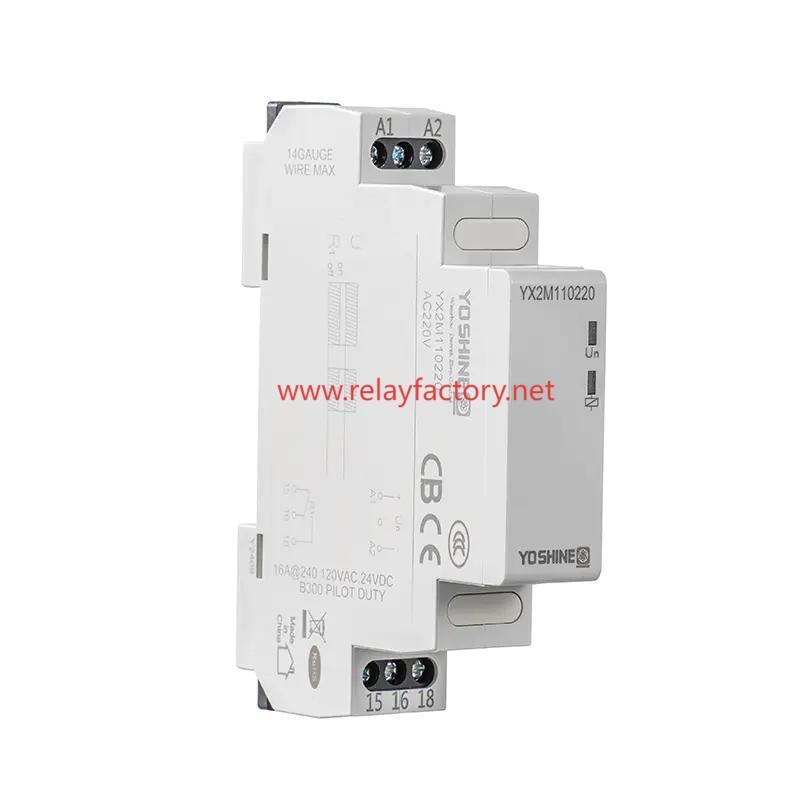

Time Relay Factory selection deserves careful consideration when purchasing electrical control components for industrial machinery, commercial equipment, lighting systems, and automated installations. For importers, distributors, panel builders, and OEM customers, a successful purchasing arrangement depends on clear communication about product functions, technical requirements, customization, production planning, and delivery. Instead of focusing on price alone, buyers should prepare a practical list of questions to help determine whether a manufacturer can understand and support their business requirements.
Does the Product Range Match Your Market?
Before contacting a supplier, buyers should identify the types of products their customers regularly request. Different markets may have different preferences for operating functions, installation methods, housing dimensions, and electrical configurations.
Distributors serving industrial customers may need several models for different control applications. Meanwhile, equipment manufacturers may require a specific configuration that fits an existing electrical assembly.
Ask the supplier for a product catalog or model list. Compare the available options with your sales requirements and identify which models deserve further technical discussion. Preparing this information can make the quotation process more focused.
How Clearly Can You Explain Your Application?
A product request should describe the actual operating situation rather than simply asking for a particular model. Explain when the connected equipment should start, stop, or change its operating state.
For example, a project may require a delay before a motor starts, a fixed operating interval, or repeated switching during a scheduled process. These details help the manufacturer understand the intended control sequence.
If the application involves an existing control cabinet, photographs, wiring diagrams, and equipment information can provide additional context. Clear descriptions help reduce unnecessary communication and support more accurate product selection.
Which Specifications Should Be Written into the Order?
Before confirming a quotation, buyers should establish a written specification list. Relevant details may include rated supply voltage, timing range, contact configuration, installation method, terminal arrangement, and housing dimensions.
It is useful to separate essential requirements from optional preferences. This allows the manufacturer to understand which specifications must remain unchanged and where alternative configurations may be considered.
For repeat purchasing, buyers should keep an approved model reference and technical record. A consistent specification document can help purchasing teams avoid ordering errors when handling several product versions.
What Customization Can Be Discussed?
Some customers need products adapted to their own equipment or distribution arrangements. Customization may involve product labeling, model identification, packaging, documentation, or selected technical configurations.
Buyers should explain the purpose of each requested change and provide relevant drawings or reference materials when available. The manufacturer can then review the information and discuss the production arrangements.
For private-label projects, it is helpful to confirm logo files, label dimensions, language requirements, instruction documents, and carton information before production preparation. Written confirmation helps both parties maintain a consistent understanding of the order.
How Are Samples Evaluated Before Larger Orders?
A sample order can help buyers check whether the proposed product suits their application. Before requesting samples, define the functions and specifications that need to be evaluated.
Testing may involve checking the selected timing operation, terminal connections, installation fit, and switching response under the intended conditions. Buyers should record their observations and share any questions with the manufacturer.
If adjustments are required, both sides should confirm the revised specifications before proceeding. This creates a clear reference for subsequent production and helps prevent different expectations between sample approval and bulk purchasing.
What Should Buyers Know About Production Planning?
Production arrangements can influence purchasing schedules, inventory planning, and customer delivery commitments. Buyers should ask about the information needed to confirm an order, estimated production arrangements, and the process for communicating schedule changes.
For larger orders, it is useful to divide requirements by model and quantity. This makes it easier to review product configurations and organize purchasing documents.
Buyers should also discuss packaging specifications, carton quantities, labels, and shipping preparation. These details are particularly relevant for importers managing warehouse operations and distributing products across several markets.
How Can Communication Continue After Delivery?
Supplier communication should not stop when an order has been shipped. Buyers may need product documents, model confirmation, installation information, or assistance when preparing repeat orders.
Before cooperation begins, ask how technical questions are submitted and which product details should be included in a support request. Keeping order references, approved specifications, and sample records can make future discussions easier.
For distributors and OEM customers, regular communication also helps manufacturers understand changes in market demand and upcoming purchasing plans.
Prepare Your Questions Before Contacting the Manufacturer
A well-prepared inquiry gives the supplier useful information about the intended application, required configurations, expected quantities, and delivery arrangements. It also helps buyers receive a response that addresses their actual purchasing needs instead of relying on general product descriptions.At relayfactory, international buyers can discuss product selection, customized requirements, and order arrangements with the manufacturing team. To review the available product information and submit a purchasing inquiry, visit https://www.relayfactory.net/ and provide your application details, expected specifications, and estimated order quantity.
