


Hair loss can develop for several reasons, including genetics, hormonal changes, nutritional deficiencies, stress, and scalp conditions. Although PRP hair treatment in Dubai is widely used to support hair restoration, not everyone experiencing hair thinning is automatically a suitable candidate. Understanding the condition of the hair follicles is an important first step before beginning treatment.
A proper assessment helps identify the possible causes of hair loss, evaluate existing hair density, and determine whether PRP may be an appropriate option. At Tajmeels Clinic, evaluating hair follicle health is an important part of planning an individualised PRP hair treatment approach.
Why Is Hair Follicle Assessment Important Before PRP?
Hair follicles are small structures within the scalp responsible for producing hair. Their condition can influence hair thickness, growth patterns, and overall scalp coverage.
Before recommending PRP hair treatment, it is important to understand whether the follicles are still active and capable of producing hair. PRP uses concentrated platelets obtained from the patient's own blood. These platelets contain growth factors that may support the biological processes involved in tissue repair and hair follicle activity.
However, PRP cannot guarantee new hair growth or restore follicles that have been permanently destroyed. A proper assessment helps establish realistic expectations and identify patients who may benefit from treatment.
Reviewing the Patient's Hair Loss History
One of the first steps in evaluating hair follicle health is understanding the patient's hair loss history.
A healthcare professional may ask questions about:
-
When hair thinning or shedding first started.
-
Whether hair loss is gradual or sudden.
-
Which areas of the scalp are affected.
-
Whether hair loss runs in the family.
-
Any recent illness, stress, or significant lifestyle changes.
-
Previous hair restoration treatments.
This information helps identify possible patterns and contributing factors. For example, gradual thinning around the crown or hairline may suggest pattern hair loss, while sudden shedding across the scalp may require investigation for other causes.
Understanding the patient's history also helps determine whether additional medical evaluation is necessary before considering PRP.
Examining Scalp Condition and Hair Density
A physical scalp examination provides useful information about existing hair growth and follicle distribution.
During this assessment, the healthcare professional may examine:
-
Hair density across different scalp areas.
-
Visible thinning around the crown and temples.
-
Hair shaft thickness and variations.
-
Signs of scalp irritation or inflammation.
-
Areas with reduced hair coverage.
-
General scalp condition and skin health.
Hair density is particularly important because it helps establish how much existing hair is present in different regions.
If the scalp shows signs of infection, inflammation, or an untreated skin condition, these concerns may need attention before PRP treatment is considered.
Using Trichoscopy to Examine Hair Follicles
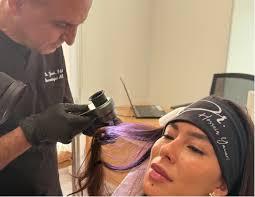
Trichoscopy is a non-invasive technique that uses magnification to examine the scalp and hair structures more closely.
It can help healthcare professionals observe details that may not be easily visible during an ordinary examination.
These may include:
-
Differences in hair shaft diameter.
-
Variations in follicular openings.
-
Signs of miniaturisation.
-
Scalp scaling or inflammation.
-
Changes in hair distribution.
Hair miniaturisation occurs when follicles gradually produce thinner and shorter hair. It is commonly associated with androgenetic alopecia, also known as pattern hair loss.
Trichoscopy findings can help distinguish between different hair loss patterns and support decisions about whether PRP may be suitable.
Identifying the Possible Cause of Hair Thinning
Not all hair loss develops because of the same underlying condition. Identifying the cause is essential before selecting a treatment approach.
Common causes include:
Androgenetic Alopecia: This hereditary condition causes progressive hair follicle miniaturisation and affects both men and women.
Telogen Effluvium: This condition involves increased hair shedding, sometimes following illness, stress, hormonal changes, or nutritional deficiencies.
Alopecia Areata: An autoimmune condition that can cause sudden, patchy hair loss.
Nutritional Deficiencies: Low levels of certain nutrients, including iron, may contribute to hair shedding in some individuals.
Depending on the examination findings and medical history, additional investigations or blood tests may be recommended. These could include thyroid function or iron studies when clinically appropriate.
Identifying the underlying condition helps avoid recommending PRP when another treatment or medical investigation may be more suitable.
Determining Whether PRP Is a Suitable Option
Once the assessment is complete, the healthcare professional can consider whether PRP therapy is appropriate.
Patients with certain types of early or moderate hair thinning and active follicles may be considered potential candidates. However, suitability depends on several factors, including the cause of hair loss, scalp health, medical history, and individual treatment goals.
People with extensive scarring or permanently damaged follicles may not achieve meaningful hair restoration through PRP alone.
The assessment should also consider medications, bleeding-related conditions, platelet disorders, and other medical factors that could influence treatment safety.
PRP should always be approached as a medical procedure rather than a guaranteed solution for every type of hair loss.
How Tajmeels Clinic Approaches Hair Follicle Evaluation
At tajmeels clinic dubai, PRP hair treatment planning begins with understanding the patient's individual hair concerns and scalp condition. The evaluation approach considers hair loss history, existing hair density, follicle characteristics, and possible contributing factors.
This information helps guide discussions about treatment suitability, expected outcomes, and whether additional assessment may be required. Rather than following the same approach for everyone, an individualised treatment plan takes personal hair restoration goals and clinical findings into account.
Patients can also discuss the treatment process, possible limitations, aftercare requirements, and the importance of follow-up appointments before making a decision.
What Happens After the Hair Follicle Assessment?
Following the evaluation, patients receive guidance based on their individual findings. If PRP is considered suitable, the healthcare professional can explain the proposed treatment schedule and what results may realistically be expected.
Hair improvement usually takes time because hair follicles follow natural growth cycles. Multiple sessions may be recommended, depending on the individual's condition and response to treatment.
Follow-up assessments can help monitor changes in hair density, thickness, and shedding. Standardised photographs may also help compare progress over time.
If PRP is not appropriate, alternative treatments or further medical investigations may be discussed.
Conclusion
Evaluating hair follicle health before PRP treatment is essential for understanding the cause of hair thinning, identifying suitable candidates, and establishing realistic expectations. A combination of medical history, scalp examination, hair density assessment, and specialised techniques such as trichoscopy can provide valuable information.
At Tajmeels Clinic, individual hair and scalp evaluation helps guide PRP treatment planning according to each patient's needs. A professional assessment is an important starting point for making informed hair restoration decisions.
More Information
Tajmeels Clinic Dubai
WhatsApp: +971 56 203 8751
Phone: tel:+971 43739000
Social Media:
