

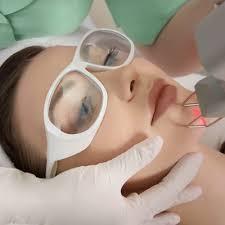

Deep acne scars can affect skin texture, creating visible depressions, uneven areas, and changes in facial appearance. These scars often remain even after active acne has disappeared. Skincare products may help improve surface texture, but deeper scars usually require professional treatment. Fractional CO2 in Dubai is one of the skin resurfacing options used to address certain types of acne scarring.
Understanding how this treatment works, what happens beneath the skin, and what results to expect can help individuals make informed decisions. For people considering Fractional CO2 Laser in Dubai, learning about the treatment process is an important first step.
Understanding Deep Acne Scars
Deep acne scars develop when inflammation damages the skin's underlying support structures during the healing process. When the body produces insufficient collagen to repair the damaged area, the skin may heal with depressed or uneven surfaces.
Common types of atrophic acne scars include:
-
Ice Pick Scars: Narrow, deep indentations that extend into the deeper layers of the skin.
-
Boxcar Scars: Wider depressions with clearly defined edges and a relatively flat base.
-
Rolling Scars: Uneven, wave-like depressions caused by fibrous bands pulling the skin downward.
Different scar types respond differently to treatment. A professional skin assessment helps determine whether fractional CO2 laser is appropriate or whether another procedure may provide better improvement.
How Does Fractional CO2 Laser Work on Deep Acne Scars?
Fractional CO2 laser uses controlled laser energy to create microscopic treatment zones within the skin. These tiny columns of thermal injury trigger the body's natural healing response while leaving surrounding untreated skin available to support recovery.
The laser works through two main processes:
1. Controlled Skin Resurfacing
The laser energy removes or vaporises tiny portions of damaged skin tissue. This encourages the skin to replace damaged surface cells with healthier tissue during the healing process.
As the skin recovers, irregular texture may gradually become smoother, helping reduce the visibility of certain acne scars.
2. Collagen Stimulation
Fractional CO2 laser also delivers controlled heat into the deeper skin layers. This stimulates fibroblasts, the cells responsible for producing collagen and other structural proteins.
Collagen supports skin firmness and structure. As new collagen develops and existing collagen remodels, depressed scars may become less noticeable and the overall skin surface may appear more even.
Why Is Collagen Important for Deep Acne Scar Improvement?
Collagen plays an essential role in maintaining the skin's strength, elasticity, and structure. Deep acne scars often develop because the skin loses or fails to rebuild sufficient collagen after inflammation.
Fractional CO2 laser encourages a gradual rebuilding process rather than simply covering the scars.
The treatment may help:
-
Improve uneven skin texture.
-
Reduce the appearance of certain depressed scars.
-
Support collagen remodelling.
-
Refine enlarged pores associated with acne scarring.
-
Improve the overall appearance of damaged skin.
However, complete scar removal cannot be guaranteed. Results depend on scar depth, skin characteristics, treatment settings, and individual healing responses.
What Happens During Fractional CO2 Laser Treatment?
The treatment generally begins with a consultation and detailed skin assessment. A qualified professional examines the acne scars, evaluates skin type, and discusses the individual's expectations.
The typical treatment process includes:
Skin Preparation: The treatment area is cleansed, and a topical numbing cream may be applied to improve comfort.
Laser Application: The practitioner moves the fractional CO2 laser device across the selected area, delivering controlled energy into the skin.
Initial Skin Response: Temporary redness, warmth, swelling, and a sensation similar to sunburn may occur after treatment.
Healing and Recovery: The skin gradually heals as treated tissue renews and collagen remodelling continues.
Treatment intensity and session requirements vary according to individual skin concerns. Deeper or more extensive acne scars may require multiple sessions or a combination of treatment approaches.
How Long Does It Take to See Improvements?
Fractional CO2 laser results develop gradually rather than appearing immediately. Initial healing usually takes several days to around two weeks, depending on treatment intensity and individual skin response.
However, collagen production and remodelling continue for several weeks and months.
Some individuals may notice improvements in skin texture after their first session, while others require additional treatments to achieve meaningful changes.
It is important to follow professional aftercare instructions throughout the recovery period.
Recovery and Aftercare Following CO2 Laser Treatment
Proper aftercare is essential because the skin becomes temporarily sensitive after fractional CO2 laser resurfacing.
Patients are generally advised to:
-
Avoid direct sun exposure during recovery.
-
Apply recommended moisturising and barrier-repair products.
-
Use broad-spectrum sunscreen once appropriate according to professional instructions.
-
Avoid exfoliating acids, retinoids, and harsh skincare products until cleared by the practitioner.
-
Avoid picking or peeling flaking skin.
-
Follow the recommended cleansing routine.
-
Attend follow-up appointments to monitor healing.
Individuals should contact their healthcare professional if they experience worsening pain, spreading redness, pus, fever, or other signs of infection.
Who May Be Suitable for Fractional CO2 Laser?
Fractional CO2 laser may be suitable for individuals experiencing certain types of atrophic acne scars, uneven skin texture, and visible skin irregularities.
However, it is not appropriate for everyone. People with active acne, certain skin infections, a history of abnormal scarring, or conditions that affect wound healing may require alternative treatment options.
Skin tone is also an important consideration because darker skin tones may have a greater risk of post-inflammatory hyperpigmentation following ablative laser treatments.
A qualified practitioner should evaluate these factors before recommending treatment.
Fractional CO2 Laser Treatment at Tajmeels Clinic
At tajmeels clinic dubai, Fractional CO2 Laser treatment planning focuses on understanding individual skin concerns and acne scar characteristics. The assessment considers scar depth, skin texture, skin type, and personal treatment goals before determining whether laser resurfacing is an appropriate option. Patients can discuss expected improvements, possible side effects, recovery requirements, and suitable treatment plans during their consultation. This personalised approach helps ensure that treatment recommendations are based on individual skin needs rather than a standardised procedure.
Is Fractional CO2 Laser Worth Considering for Deep Acne Scars?
Fractional CO2 laser can be a valuable option for improving the appearance of certain deep acne scars by combining controlled resurfacing with collagen stimulation. It addresses skin irregularities at different depths and encourages gradual tissue remodelling.
Although it may significantly improve skin texture, results vary, and complete removal of deep scars is not always possible. A professional assessment is essential to identify the most suitable treatment approach, understand potential risks, and establish realistic expectations.
More Information
Tajmeels Clinic Dubai
WhatsApp: +971 56 203 8751
Phone: tel:+971 43739000
Social Media:
