

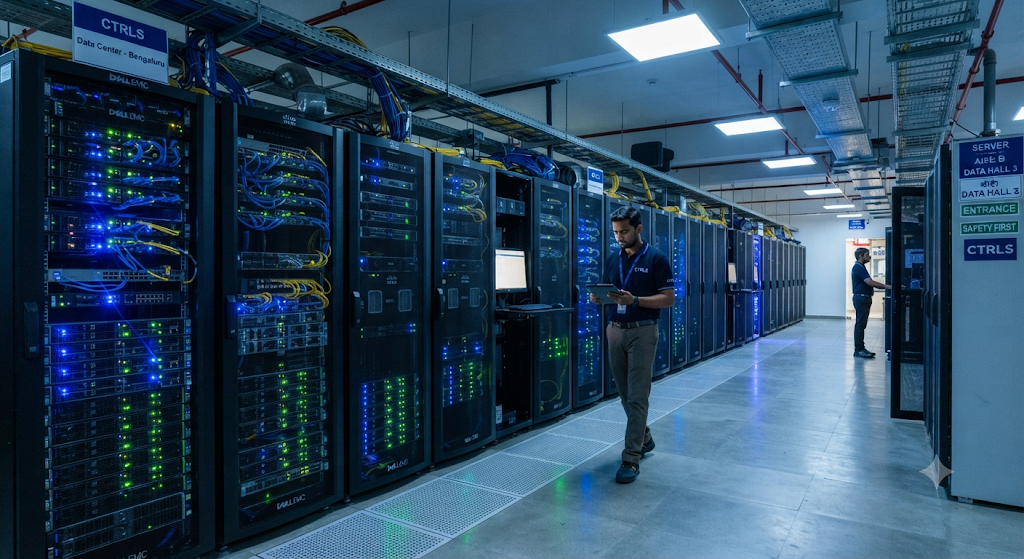
How Can Businesses Select the Right Dedicated Hosting Infrastructure in India?

Businesses today depend on reliable digital infrastructure to manage websites, applications, databases, and online services. As companies expand their online operations, their hosting requirements also become more demanding. Increased website traffic, larger databases, and resource-intensive applications require sufficient computing power and stable network connectivity.
Choosing the right hosting environment helps businesses maintain website performance, protect important information, and support future expansion. While shared hosting may work for smaller websites, growing organizations often need greater control over their server resources.
Why Is Dedicated Hosting Important for Growing Businesses?
Dedicated hosting provides an entire physical server to one customer. Unlike shared hosting, where multiple users access resources from the same machine, dedicated hosting allows businesses to use the available processing power, memory, and storage for their own workloads.
This hosting model offers several advantages:
-
Consistent performance: Dedicated hardware resources help applications operate smoothly.
-
Greater control: Businesses can configure operating systems, software, and server settings.
-
Resource isolation: Primary hardware resources are not shared with unrelated customers.
-
Flexible configurations: Hardware specifications can match specific business requirements.
-
Security customization: Administrators can implement security settings according to their needs.
These advantages make dedicated hosting suitable for businesses that depend on reliable online services.
What Features Should You Check Before Choosing a Server?
Selecting a hosting solution requires understanding your technical requirements. Businesses should evaluate hardware specifications, network connectivity, storage options, and technical support before making a decision.
1. Processor Performance
The processor handles computing instructions and application operations. Businesses running high-traffic websites, enterprise applications, and large databases should select processors that can manage their expected workloads.
Intel Xeon and AMD EPYC processors are commonly used in business server environments.
2. RAM Capacity
RAM allows applications to access temporary information quickly. Websites with large databases or multiple applications may require higher memory capacity.
Choosing sufficient RAM helps maintain smooth performance when several processes operate simultaneously.
3. Storage Technology
Storage affects how quickly applications access files and databases. HDDs provide large storage capacity, while SSD and NVMe drives offer faster read and write performance.
Businesses should also consider RAID configurations and backup strategies to support data reliability.
4. Network Connectivity
Network quality influences how quickly users can access websites and applications. Bandwidth capacity, latency, and network routing are important considerations when selecting a hosting provider.
Companies serving customers across India should prioritize reliable network connectivity.
What Makes the Best Dedicated Server India Option Suitable for Businesses?
Finding the best dedicated server india option requires evaluating more than hardware specifications. Businesses should select a hosting environment that matches their workloads, performance expectations, and operational requirements.
Dedicated hosting can support several applications, including:
-
High-traffic websites and eCommerce platforms.
-
Enterprise applications and database management.
-
Online gaming and application development.
-
Data processing and virtualization.
-
Business platforms requiring customized security configurations.
Configuration flexibility is another important consideration. Businesses should be able to select processors, RAM, storage drives, and operating systems according to their technical needs.
Server location also matters. Organizations serving customers in northern India may consider Delhi NCR as a suitable hosting location based on their target audience and connectivity requirements.
Why Are Server Security and Management Important?
A reliable hosting environment requires regular maintenance and proper security practices. Businesses should install software updates, configure firewalls, monitor resource usage, and maintain regular backups.
Remote management tools such as IPMI allow administrators to monitor hardware and perform certain maintenance operations without physically accessing the server.
Organizations without an experienced in-house IT team may also consider managed hosting services. Depending on the service agreement, these services can include server monitoring, maintenance, troubleshooting, and technical assistance.
Proper management helps reduce technical problems and supports consistent business operations.
How Does Leapswitch Support Business Hosting Requirements?
Leapswitch provides dedicated server hosting solutions for businesses with different technical and operational requirements.
Its infrastructure options include Intel and AMD processors, SSD and NVMe storage, RAID configurations, IPMI remote management, and Tier 1 bandwidth connectivity.
Businesses can select hardware configurations according to their applications, traffic levels, and storage requirements. Managed and self-managed hosting options also provide flexibility for organizations with different technical capabilities.
With infrastructure locations in Delhi NCR, Mumbai, Pune, and international markets, Leapswitch supports businesses looking for hosting environments that match their operational needs.
Conclusion
Choosing the right dedicated hosting solution is essential for maintaining website performance, protecting business data, and supporting growing workloads. Businesses should evaluate processor capacity, RAM, storage technology, network connectivity, and technical support before selecting a hosting provider.
A properly configured server environment provides greater control and the resources needed to manage demanding applications. By understanding their requirements and selecting suitable infrastructure, businesses can build a stable foundation for long-term growth.
