

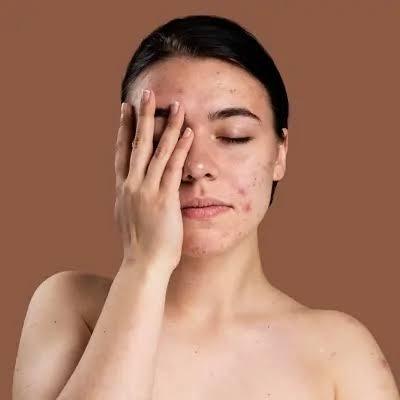

Not all facial scars look alike, so why should every scar receive the same laser treatment? Some scars are deep and narrow, others are shallow and uneven, while some appear red, raised, or darker than the surrounding skin. Using identical laser settings for every patient may not deliver the most suitable results.
Modern laser technology allows specialists to adjust treatment according to the skin concern and scar characteristics. Factors such as laser intensity, depth, pulse duration, and treatment density can influence how the skin responds. For patients considering a Facial Scar in Islamabad procedure, understanding these adjustments can help explain why personalised laser treatment matters.
Why Do Laser Settings Matter in Scar Treatment?
Laser devices deliver controlled energy into selected areas of the skin. Depending on the technology, this energy may target pigmentation, visible blood vessels, surface irregularities, or deeper tissue to stimulate collagen remodelling.
The settings determine how the laser interacts with the skin. Higher energy or greater treatment density may create a stronger response, but this can also increase downtime and the risk of side effects.
The goal is not to use the strongest setting possible. It is to select an appropriate level of treatment that addresses the scar while protecting the surrounding skin.
Can Laser Settings Be Adjusted for Different Scar Types?
Yes. Different scars have different structures, and laser settings can be adjusted to address specific concerns. However, not every scar is suitable for laser treatment, and some require other procedures.
Settings for Depressed Acne Scars
Depressed acne scars include rolling and boxcar scars, which create uneven areas across the skin. Fractional CO2 and certain non-ablative fractional lasers may help improve selected scars by stimulating collagen production.
The specialist may adjust treatment depth, energy, and density according to the scar's severity and the patient's skin condition. Deeper scars may require a combination approach rather than simply increasing laser intensity.
Laser resurfacing can improve surface texture, but it may not release the fibrous bands responsible for tethered rolling scars. Subcision may be more appropriate when those attachments are present.
Settings for Red or Vascular Scars
Some scars remain red or pink because of visible blood vessels within the affected tissue. Vascular lasers, such as pulsed dye lasers, are designed to target blood vessels rather than primarily resurface the skin.
The wavelength, pulse duration, and energy level are selected according to the appearance and location of the scar. Treatment may help reduce redness in suitable cases, although multiple sessions can be necessary.
Settings for Dark or Pigmented Scars
Post-inflammatory hyperpigmentation can leave brown or darker marks after acne or skin injury. Certain pigment-targeting lasers may help selected patients, but treatment must be approached carefully.
Laser settings depend on the type of pigmentation, skin tone, and risk of further darkening. In some cases, topical treatments and sun protection may be more appropriate starting points.
Treating pigmentation requires particular care in Pakistani skin tones, which may be more prone to post-inflammatory hyperpigmentation after irritation or injury.
Settings for Raised Scars
Raised scars, including hypertrophic scars and keloids, need a different treatment strategy from depressed acne scars. Certain vascular or fractional laser procedures may help improve redness, thickness, or texture in selected cases.
However, laser treatment alone may not control excessive scar tissue growth. Corticosteroid injections and other specialist-led treatments may be considered depending on the diagnosis.
Which Laser Parameters Can Be Changed?
Laser treatment is not controlled by one setting alone. Specialists may adjust several parameters to match the procedure to the patient's skin and scar pattern.
The main adjustments include:
-
Energy or fluence: Controls the amount of energy delivered to the treated area.
-
Treatment depth: Influences how deeply the laser energy affects the skin.
-
Density: Determines how much of the skin surface receives treatment during a session.
-
Pulse duration: Controls how long the laser energy is delivered.
-
Spot size: Affects the area covered by each laser pulse.
-
Wavelength: Determines which skin structures or targets absorb the laser energy.
These parameters work together, and their selection depends on the specific laser device. Changing one setting without considering the others may affect both results and safety.
Does Skin Tone Affect Laser Settings?
Yes. Skin tone is an important part of treatment planning, particularly for patients with medium to deeper complexions. Melanin in the skin can absorb energy from certain lasers, increasing the possibility of irritation or pigmentation changes.
A specialist may choose a different wavelength, lower energy, or more conservative treatment density depending on the patient's skin characteristics. A test spot may also be considered when appropriate.
For people seeking a Facial Scar in Islamabad treatment, it is important to choose a provider experienced in treating Pakistani skin tones. The safest settings are those selected for the individual, not copied from another patient's treatment.
Can One Patient Need Different Settings on the Same Face?
Absolutely. A person may have several scar types across different facial areas. For example, the cheeks may have depressed rolling scars, while the temples show narrow ice pick scars and the jawline has darker post-acne marks.
The specialist may use different approaches for each concern rather than applying the same laser settings across the entire face. Some areas may be treated with fractional resurfacing, while others may need targeted treatment or a non-laser procedure.
Treatment can also be divided into separate sessions to allow the skin to recover. A customised plan considers each area separately while maintaining overall skin safety.
What Happens During a Laser Scar Consultation?
Before treatment, the specialist examines the scars and reviews the patient's skin condition and medical history. Previous laser procedures, pigmentation problems, active acne, medications, and a history of abnormal scarring may all influence the decision.
The practitioner then determines whether laser treatment is appropriate and discusses the expected improvement, possible risks, and recovery period. Patients should also be told whether multiple sessions or complementary procedures may be necessary.
Photographs may be taken to document the skin's original condition and compare results during follow-up. A proper consultation helps ensure that the chosen settings match the actual scar concern.
What Results Can Patients Expect?
Laser treatment may improve selected scars by reducing redness, refining uneven texture, and stimulating collagen production. However, results depend on the scar type, treatment technology, settings, and individual healing response.
Some patients notice gradual improvement after one session, while others require several treatments. Deep scars may remain visible even after treatment, and combination procedures may be needed for more comprehensive improvement.
It is important to understand that laser treatment cannot guarantee completely scar-free skin. Realistic expectations help patients judge progress more accurately.
Are There Risks of Using Incorrect Laser Settings?
Yes. Settings that are too aggressive for a patient's skin can increase the risk of burns, prolonged redness, pigmentation changes, infection, and additional scarring.
Even conservative settings may cause temporary swelling, sensitivity, or irritation. Aftercare is equally important, particularly in Pakistan, where strong sunlight can worsen pigmentation during recovery.
Patients should follow instructions about gentle skincare, moisturising, and sunscreen use. They should also avoid picking peeling skin or applying harsh products without professional advice.
Choosing the Right Laser Treatment in Islamabad
The quality of treatment depends on more than the laser machine itself. Proper scar diagnosis, suitable technology, practitioner experience, and carefully selected settings all contribute to a safer treatment plan.
Anyone considering a Facial Scar in Islamabad procedure should ask which laser is being recommended, why it suits their scar type, and how the settings will be adjusted for their skin tone. A responsible provider should explain both the potential benefits and limitations.
Final Thoughts
Different scar types can require different laser technologies and settings, depending on their depth, colour, texture, and underlying structure. A personalised approach helps target the main concern while reducing unnecessary treatment risks. Dynamic Aesthetic Clinic offers expertise in aesthetic scar treatments, with board-certified surgeons and advanced techniques to help patients explore suitable options for different facial scar types.

