

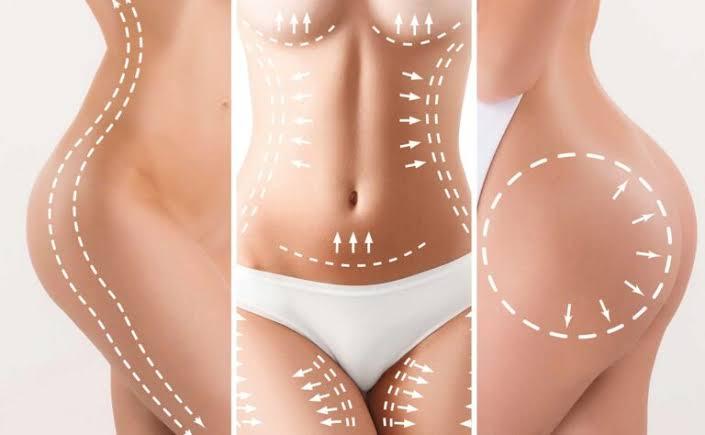

Pregnancy brings significant physical changes as the body adapts to support a growing baby. While many of these changes are natural, some can remain noticeable long after childbirth. Two areas commonly affected are the abdominal muscles and breasts. Women may experience loose abdominal skin, weakened muscles, changes in breast volume, or reduced firmness.
Understanding how pregnancy affects these areas can help women make informed decisions about their recovery and body-contouring options. These changes are also important considerations when exploring procedures such as a mommy makeover dubai.
How Pregnancy Changes the Abdominal Muscles
During pregnancy, the abdomen gradually expands to accommodate the growing uterus. As the belly increases in size, the abdominal muscles and surrounding connective tissues stretch.
The rectus abdominis muscles, commonly known as the six-pack muscles, run vertically along the front of the abdomen. These muscles can separate as pregnancy progresses.
This condition is known as diastasis recti. It occurs when the connective tissue between the two muscle sections becomes stretched and widened.
Some women notice:
-
A visible bulge around the abdomen.
-
Reduced abdominal muscle strength.
-
A rounded appearance even after childbirth.
-
Difficulty maintaining core stability.
-
Lower back discomfort or postural changes.
Although some muscle separation can improve naturally after delivery, more significant cases may require professional assessment and targeted treatment.
Why Does Loose Abdominal Skin Develop After Pregnancy?
The skin stretches gradually as the baby grows. During this process, collagen and elastin fibres, which help maintain skin strength and elasticity, become stretched.
After childbirth, the abdomen begins to reduce in size. However, the skin does not always return to its previous condition.
Several factors influence how much abdominal skin recovers:
Age: Skin elasticity naturally changes with age, which may affect how quickly it adjusts after pregnancy.
Genetics: Individual genetic differences influence collagen production and skin recovery.
Weight changes: Significant weight gain during pregnancy and changes after delivery can affect skin elasticity.
Multiple pregnancies: Repeated stretching may increase the likelihood of persistent loose skin.
Stretch marks can also develop when the skin stretches faster than its supporting structures can adapt. These marks may gradually become lighter, although they do not always disappear completely.
How Pregnancy Affects Breast Shape and Volume
Breasts undergo several changes during pregnancy because of hormonal fluctuations. Hormones such as oestrogen and progesterone contribute to the development of breast tissue and prepare the body for breastfeeding.
As the milk-producing glands develop, breast volume increases. Women may notice that their breasts become fuller, heavier, and more sensitive.
After breastfeeding ends, breast tissue may gradually decrease in volume. This can sometimes leave the breasts looking different from their pre-pregnancy appearance.
Common breast changes include:
-
Reduced breast fullness.
-
Changes in breast size.
-
Loss of firmness.
-
Stretched breast skin.
-
Changes in nipple and areola appearance.
-
Breast sagging or ptosis.
These changes vary from person to person. Some women experience significant changes, while others notice only minor differences.
Why Do Breasts Become Less Firm After Childbirth?
Breast firmness depends on several factors, including skin elasticity, supportive connective tissues, breast volume, and natural ageing.
During pregnancy, breast enlargement stretches the surrounding skin and supporting structures. After breastfeeding, changes in glandular tissue and fat distribution can influence the overall breast shape.
Breastfeeding itself is not the only factor responsible for breast changes. Pregnancy-related hormonal fluctuations, ageing, genetics, and weight changes also contribute.
When breast skin loses some elasticity, the breasts may sit lower on the chest. This is commonly known as breast ptosis.
The degree of change differs depending on individual anatomy and tissue characteristics.
Can Abdominal Muscles and Breast Shape Return to Normal?
Some pregnancy-related changes improve naturally during postpartum recovery. The uterus gradually returns towards its pre-pregnancy size, abdominal swelling decreases, and breast tissue adjusts after breastfeeding.
However, recovery is not identical for everyone.
Women with mild abdominal muscle separation may benefit from professionally guided core-strengthening exercises and physiotherapy. These approaches can help improve muscle function and abdominal support.
For persistent breast volume loss or sagging, a medical consultation can help identify suitable treatment options.
It is important to understand that exercise can strengthen muscles but cannot remove significant excess skin or directly restore lost breast volume.
What Treatment Options Can Address Post-Pregnancy Body Changes?
Women who remain concerned about abdominal or breast changes after pregnancy may explore different treatment options depending on their individual needs.
Tummy Tuck: Abdominoplasty, commonly called a tummy tuck, removes excess abdominal skin and may involve tightening separated abdominal muscles when clinically appropriate.
Breast Lift: Mastopexy is designed to improve breast position by removing excess skin and reshaping the existing breast tissue.
Breast Augmentation: Breast implants may be considered when additional breast volume is desired.
Liposuction: This procedure removes localised fat deposits from selected body areas. It does not correct muscle separation or significant loose skin.
The appropriate approach depends on anatomy, medical history, recovery status, and personal goals. Not every woman needs multiple procedures.
When Should You Consider a Mommy Makeover?
A Mommy Makeover combines selected cosmetic procedures to address physical changes following pregnancy and childbirth. It commonly involves abdominal and breast procedures, although the treatment combination varies between patients.
Women considering this option should generally have completed their family planning, reached a relatively stable weight, and recovered sufficiently from pregnancy and breastfeeding.
A detailed medical assessment is essential before considering surgery. Patients should also discuss childcare arrangements, recovery support, and the time required away from normal activities.
There is no universal timeline for undergoing a Mommy Makeover. Individual health, breastfeeding status, and surgical suitability determine when it may be appropriate.
Mommy Makeover Assessment at Tajmeels Clinic
At tajmeels clinic dubai, Mommy Makeover planning focuses on understanding individual post-pregnancy body changes and aesthetic concerns. An appropriate consultation can help evaluate abdominal skin laxity, muscle separation, breast volume, and breast position. Patients can discuss their expectations, medical history, potential treatment combinations, and recovery considerations. Individualised assessment is important because every woman's body responds differently to pregnancy, and treatment recommendations should reflect her anatomy and overall health.
Conclusion
Pregnancy can affect abdominal muscles and breast shape through physical stretching, hormonal changes, skin elasticity, and shifts in body composition. While some changes improve naturally after childbirth, others may remain noticeable.
Understanding these changes helps women explore suitable recovery and cosmetic treatment options. Whether considering physiotherapy, a tummy tuck, breast surgery, or a Mommy Makeover in Dubai, professional assessment is essential for making safe and informed decisions.
More Information
Tajmeels Clinic Dubai
WhatsApp: +971 56 203 8751
Phone: tel:+971 43739000
Social Media:
