

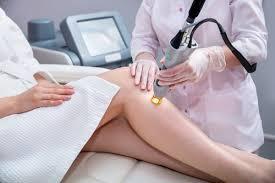

Ingrown hairs and razor bumps are common skin concerns, especially for people who regularly shave, wax, or use other temporary hair removal methods. These problems can cause redness, irritation, itching, small bumps, and sometimes painful inflammation. They frequently appear on areas such as the face, neck, underarms, bikini line, and legs.
For people who experience repeated irritation after removing unwanted hair,Laser Hair Removal in Dubai may offer a longer-term alternative. Instead of removing hair only from the skin's surface, this treatment targets the hair follicles to reduce future hair growth. Understanding how it works, its potential benefits, and its limitations can help individuals decide whether it is suitable for their skin concerns.
What Causes Ingrown Hair and Razor Bumps?
Ingrown hairs develop when a hair curls back or grows sideways into the surrounding skin instead of emerging normally through the surface. This can cause small, raised bumps that may become red, itchy, or uncomfortable.
Razor bumps, medically known as pseudofolliculitis, commonly develop after shaving. They occur when cut or closely shaved hairs grow back into the skin, triggering an inflammatory reaction.
Several factors can increase the likelihood of developing these concerns:
-
Curly or coarse hair that naturally bends towards the skin.
-
Frequent shaving, particularly against the direction of hair growth.
-
Using blunt or unsuitable shaving equipment.
-
Wearing tight clothing that creates friction.
-
Having sensitive skin that reacts easily to hair removal.
-
Repeated waxing or plucking that irritates hair follicles.
Although these concerns are generally manageable, recurring inflammation can sometimes contribute to dark marks and post-inflammatory pigmentation.
How Does Laser Hair Removal Work?
Laser hair removal uses concentrated light energy to target pigment (melanin) within the hair. The pigment absorbs the light, which is converted into heat and transferred towards the hair follicle.
This process damages the follicle's ability to produce hair effectively, helping reduce future hair growth over multiple treatment sessions.
Unlike shaving, which cuts hair at the skin's surface, laser treatment works beneath the surface. This difference makes it a potential option for individuals who regularly experience ingrown hairs after shaving.
Laser technology works most effectively when hair is in its active growth phase. Since not all hairs grow at the same time, multiple sessions are generally required to achieve meaningful hair reduction.
Can Laser Hair Removal Help Reduce Ingrown Hairs?
Yes, laser hair removal can help reduce ingrown hairs by decreasing the amount of hair growing from treated follicles.
When fewer hairs grow back, there are fewer opportunities for them to curl into the surrounding skin. This can be particularly helpful for individuals who experience repeated ingrown hairs after shaving or waxing.
Some potential benefits include:
-
Reduced hair growth: Less hair regrowth may decrease the frequency of ingrown hairs.
-
Fewer shaving-related problems: Reduced dependence on regular shaving can help minimise irritation.
-
Smoother skin texture: Fewer inflamed bumps may improve the overall appearance of treated areas.
-
Less follicle irritation: Reducing repeated hair removal may help prevent recurring inflammation.
-
Improved skin comfort: Individuals may experience fewer episodes of itching and shaving-related discomfort.
However, results vary depending on hair thickness, skin type, hormonal factors, and treatment consistency. Laser hair removal cannot guarantee that ingrown hairs will disappear completely.
Can Laser Treatment Improve Razor Bumps?
Laser hair removal may also help people who experience persistent razor bumps, particularly in areas where coarse or curly hair grows.
Razor bumps often develop because freshly shaved hair has a sharp edge that can penetrate nearby skin as it grows. By reducing hair density and thickness over time, laser treatment may lower the chances of this happening.
It may be particularly useful for people who experience repeated bumps around the:
-
Beard and neck area.
-
Underarms.
-
Bikini line.
-
Thighs and legs.
-
Other frequently shaved body areas.
However, existing razor bumps may need separate skin treatment, especially when inflammation, infection, or pigmentation is present. A professional assessment can help determine whether laser hair removal or another approach is more appropriate.
Which Areas Can Benefit From Laser Hair Removal?
Laser hair removal can be performed on several body areas where ingrown hairs and razor bumps commonly develop.
Face and neck: People who shave regularly may experience irritation around the beard line and neck. Reducing unwanted hair growth may help manage recurring razor bumps.
Underarms: Frequent shaving can cause bumps and irritation in this sensitive area. Laser treatment may reduce the need for regular shaving.
Bikini area: Coarse hair and friction from clothing can contribute to ingrown hairs. Laser hair reduction may help decrease recurring problems.
Legs: People who experience frequent shaving irritation may consider laser treatment as an alternative to regular hair removal methods.
The appropriate treatment settings depend on the individual's skin tone, hair characteristics, and treatment area.
Is Laser Hair Removal Suitable for Sensitive Skin?
People with sensitive skin may consider laser hair removal, but suitability depends on an individual assessment.
Modern laser systems can be adjusted according to different skin types and hair characteristics. However, temporary redness, swelling around follicles, warmth, and mild irritation can occur after treatment.
Individuals with active skin infections, open wounds, severe inflammation, or certain skin conditions may need to postpone treatment.
A qualified professional should review medical history, current skin concerns, medications, and previous reactions to hair removal before recommending treatment.
People with darker skin tones should also receive careful assessment because inappropriate laser settings can increase the risk of burns or pigmentation changes.
What Should You Do Before and After Treatment?
Following appropriate preparation and aftercare can support skin comfort and reduce unnecessary irritation.
Before treatment:
-
Avoid waxing, plucking, and threading for the recommended period.
-
Follow the clinic's shaving instructions.
-
Avoid tanning and excessive sun exposure.
-
Inform the practitioner about medications and existing skin conditions.
-
Do not undergo treatment over actively infected or irritated skin.
After treatment:
-
Avoid excessive heat, hot showers, and strenuous activities for the recommended period.
-
Apply a gentle, fragrance-free moisturiser if advised.
-
Protect treated areas from direct sunlight.
-
Avoid scratching or picking at the skin.
-
Follow the recommended interval between sessions.
If you experience severe pain, blistering, increasing redness, or signs of infection, seek medical advice.
Laser Hair Removal at Tajmeels Clinic in Dubai
At tajmeels clinic dubai, laser hair removal planning focuses on individual skin characteristics, hair growth patterns, and treatment goals. Patients experiencing recurring ingrown hairs or razor bumps can discuss their concerns during a consultation. The assessment helps determine whether laser hair reduction is appropriate, which areas may benefit, and what treatment approach is suitable. Skin sensitivity, hair thickness, previous irritation, and potential treatment risks are important considerations when developing a personalised plan. Patients can also receive guidance about preparation, aftercare, and realistic expectations to support a safer and more informed treatment experience.
Is Laser Hair Removal a Long-Term Solution for Ingrown Hairs?
Laser hair removal can be a helpful long-term hair reduction option for people who regularly experience ingrown hairs and razor bumps. By reducing hair growth, it may decrease the repeated irritation associated with shaving and waxing.
However, it is important to understand that laser treatment does not treat every underlying cause of ingrown hairs. Hormonal changes, skin inflammation, bacterial infections, and existing pigmentation may require additional attention.
The best approach is to receive a professional skin and hair assessment before starting treatment. Choosing suitable technology, following the recommended treatment schedule, and maintaining proper aftercare can help individuals achieve more comfortable skin and longer-lasting hair reduction.
More Information
Tajmeels Clinic Dubai
WhatsApp: +971 56 203 8751
Phone: tel:+971 43739000
Social Media:

