

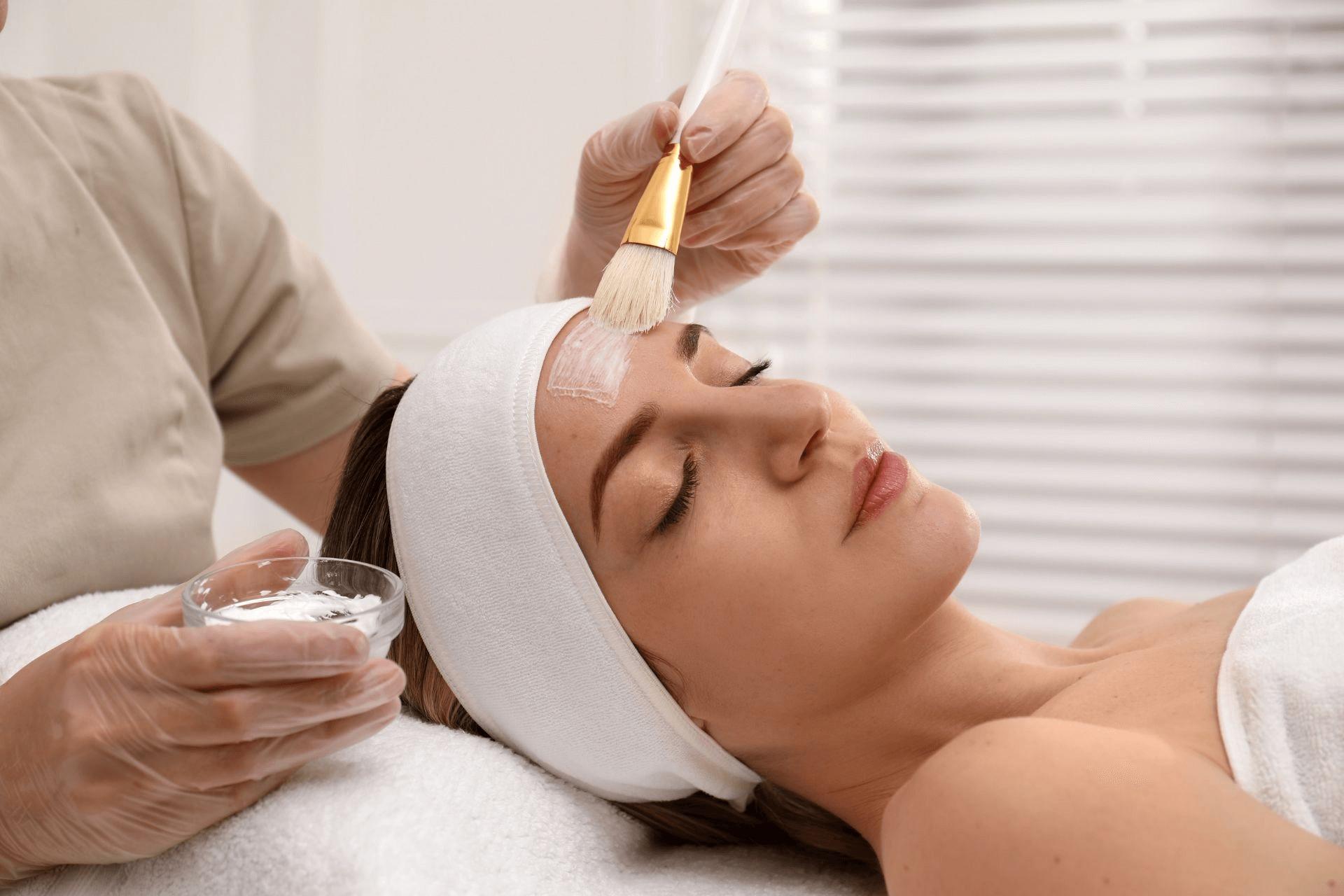

A chemical peel is designed to exfoliate the skin in a controlled way, but the sensation is not always identical across the treated area. You might notice mild tingling on your cheeks while one side of your forehead or the area around your mouth feels noticeably hotter or more uncomfortable. Is this normal, or could it mean your skin is reacting badly?
If you are considering a Chemical Peel in Islamabad, it is important to understand that different areas of the face can respond differently. However, a strong or localised burning sensation should never be ignored. Knowing when to speak up can help prevent unnecessary irritation and possible skin damage.
Why Can One Area Burn More Than the Rest?
Facial skin is not equally thick or sensitive everywhere. The skin around the nose, lips, and eyes may be more delicate than other areas, while previous irritation can make certain patches particularly reactive.
A stronger sensation may also occur where the skin barrier is already weakened. Recent exfoliation, acne treatments, retinoids, sun exposure, or harsh skincare products can increase sensitivity.
A localised burning sensation may reflect differences in skin condition rather than the peel working better in that area. It should not be treated as proof that the treatment is more effective.
1. Tell Your Practitioner Immediately
If one area starts burning significantly more than the rest, inform the practitioner straight away. Do not wait until the treatment is finished or assume that you need to tolerate the discomfort.
A trained professional can assess the skin, check the intensity of the reaction, and decide whether the solution needs to be removed or neutralised according to the specific peel protocol.
Be clear about where the sensation is occurring and whether it feels like mild tingling, intense heat, stinging, or pain. Communicating early is one of the most important steps in preventing a reaction from becoming more serious.
2. What Could Be Causing the Uneven Burning?
Several factors may explain why one patch reacts more strongly during a chemical peel. Sometimes the reason is related to the skin itself, while in other cases it may involve product application or preparation.
For example, a small area may have been exposed to stronger exfoliating products before the appointment. A recently picked pimple, tiny cut, shaving irritation, or dry patch can also make the skin more vulnerable.
Other possible factors include:
-
A weakened skin barrier: Dryness, over-exfoliation, or irritation may increase sensitivity.
-
Uneven skin condition: Areas with active acne, redness, or inflammation may react differently.
-
Product accumulation: A particular patch may receive more solution than intended.
-
Recent skincare use: Retinoids, exfoliating acids, and acne treatments may increase sensitivity.
-
Friction or minor injury: Scrubbing, shaving, or picking can leave small areas more reactive.
The exact cause should be assessed rather than guessed, especially if the burning is intense or continues after the peel is removed.
3. Should You Continue the Chemical Peel?
Not necessarily. A mild, brief tingling sensation can occur with some professional peels, but intense, worsening, or sharply localised burning requires immediate attention.
The practitioner may decide to stop the treatment, remove or neutralise the solution, or follow another step specified by the product's safety protocol. The correct response depends on the chemical used and the depth of the peel.
Patients should never try to push through severe discomfort simply to complete the session. Your skin's safety is more important than finishing the planned treatment.
4. What Should You Do Immediately After the Peel?
If one area feels unusually hot or painful after treatment, let the practitioner examine it before leaving the clinic. Follow their instructions for removing any remaining product and soothing the skin.
Do not apply random home remedies or additional skincare products to the affected area. If a chemical burn is suspected, prompt medical assessment is important because the appropriate treatment depends on the substance and severity of the reaction.
After the practitioner has confirmed that home care is appropriate, the routine may involve gentle cleansing, a suitable fragrance-free moisturiser, and avoiding irritating products.
Do not use ice directly, lemon juice, scrubs, or strong active ingredients on irritated skin. These can worsen discomfort or cause further damage.
5. Which Symptoms Should You Never Ignore?
Some temporary redness, tightness, dryness, and mild sensitivity may occur after a chemical peel. However, certain symptoms can indicate a more significant reaction and need medical attention.
Severe or increasing pain, blistering, raw skin, marked swelling, or unusual changes in skin colour should not be considered routine peeling. If the reaction involves the eyes or causes eye pain or vision changes, seek urgent medical care.
Persistent burning after the product has been removed also deserves attention. Do not wait for symptoms to become severe before contacting a healthcare professional.
6. How Can You Reduce the Risk Before Your Next Peel?
A careful consultation before treatment can help identify factors that may increase the chance of irritation. Your practitioner should know about your skincare routine, previous reactions, allergies, medical history, and any recent procedures.
You should also mention whether you have been using retinoids, acne medications, exfoliating acids, or products that cause dryness. Do not stop prescribed medication without discussing it with the healthcare professional managing your care.
Before another session, the practitioner may recommend allowing the skin to recover fully, adjusting the peel formulation, or avoiding certain sensitive areas. A treatment plan should be based on your skin's current condition, not simply repeated at the same strength.
7. Does Uneven Burning Mean the Peel Was Applied Incorrectly?
Not always. Different facial areas naturally have different levels of sensitivity, and even careful application cannot make every patient's skin respond identically.
However, uneven product distribution, excessive exposure, unsuitable preparation, or failure to account for existing irritation may contribute to a stronger local reaction. This is why the practitioner's training and knowledge of the specific peel are important.
A professional should explain what sensations are expected and what symptoms require immediate action. A good treatment experience includes monitoring the skin throughout the procedure, not just applying the solution.
8. When Is It Safe to Have Another Chemical Peel?
There is no universal waiting period after an unusually strong reaction. The skin should first be assessed and allowed to recover completely before another exfoliating treatment is considered.
If the affected area has developed blistering, persistent redness, unusual pigmentation, or a suspected chemical burn, medical evaluation is particularly important. A future treatment may need a different formulation, a more conservative approach, or may not be appropriate at all.
For patients considering a Chemical Peel in Islamabad, follow-up assessment can help determine whether the original concern has resolved and what options are suitable next. Never schedule another peel simply because a certain number of days has passed.
Final Thoughts
One area burning more than the rest during a chemical peel can happen for several reasons, but intense or worsening discomfort should never be ignored. Inform your practitioner immediately, avoid experimenting with home remedies, and seek medical assessment if you notice severe pain, blistering, swelling, or unusual skin changes. Careful assessment and appropriate aftercare are essential for reducing the risk of complications.
Dynamic Aesthetic Clinic offers personalised aesthetic care with experienced expertise, board-certified surgeons, and advanced techniques. Patients considering a Chemical Peel in Islamabad can consult the clinic's team to discuss their skin concerns, treatment suitability, and appropriate safety measures.
