

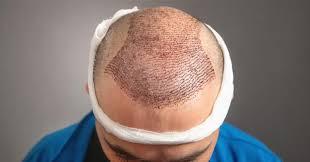

Hair thinning around the temples is a common concern among men and women experiencing hair loss. Receding temples can gradually change the appearance of the hairline, making the forehead look wider and reducing overall hair density. For people who want to restore a fuller and more balanced hairline, a hair transplant may be a suitable option.
Hair Transplant in Dubai surgery involves transferring healthy hair follicles from a donor area to regions affected by hair thinning. When carefully planned, the procedure can improve temple coverage while maintaining a natural appearance. However, successful results depend on several factors, including the cause of hair loss, donor hair quality, scalp condition, and individual expectations.
Why Does Hair Loss Commonly Affect the Temples?
The temples are among the first areas where many people notice changes in their hairline. Genetic hair loss, particularly androgenetic alopecia, is a common reason for gradual recession around the front and sides of the scalp.
Several factors may contribute to temple thinning:
-
Genetic hair loss: Family history can influence the timing and pattern of hairline recession.
-
Hormonal changes: Hormonal influences can contribute to progressive follicle miniaturisation.
-
Age-related changes: Hair density and thickness may gradually decrease with age.
-
Traction-related hair loss: Repeated tension from tight hairstyles can damage follicles around the hairline.
-
Medical conditions: Certain scalp disorders and nutritional deficiencies may contribute to hair thinning.
Identifying the underlying cause is important before considering surgical restoration because not every type of temple hair loss requires a transplant.
Can Hair Transplant Restore Temple Density?
Yes, a hair transplant can help restore hair density around the temples in suitable candidates. The procedure involves extracting healthy follicles from a donor region, usually the back or sides of the scalp, and implanting them into areas affected by hair loss.
The transplanted follicles can continue producing hair after successfully establishing themselves in the recipient area.
Temple restoration requires careful attention because the hairline naturally changes direction and angle around the sides of the forehead. A successful procedure focuses on creating a gradual transition rather than an excessively straight or dense hairline.
The objective is to improve the appearance of temple coverage while maintaining facial proportions and a natural hair growth pattern.
Which Hair Transplant Techniques Can Be Used for Temple Restoration?
Different hair transplant techniques may be considered depending on the patient's hair characteristics, scalp condition, and treatment goals.
Follicular Unit Extraction (FUE)
FUE involves extracting individual follicular units from the donor area using specialised instruments. These follicles are then prepared and implanted into the thinning temple regions.
This technique does not require a long linear incision and generally leaves small extraction marks that are less noticeable once healed.
Direct Hair Implantation (DHI)
DHI is an implantation approach that uses a specialised implanter device to place prepared hair follicles into the recipient area.
It allows the practitioner to control the placement, direction, and angle of implanted follicles. This can be particularly important when working around the temples, where natural hair direction plays a major role in the final appearance.
The most appropriate technique depends on individual suitability rather than the popularity of a particular method.
What Factors Influence Hair Density Around the Temples?
Temple restoration requires more than simply implanting a large number of grafts. Several considerations influence the outcome.
Donor Hair Quality: Healthy donor follicles are essential for transplantation. The available supply, thickness, and characteristics of donor hair influence how much coverage can be achieved.
Natural Hair Direction: Temple hair often grows at specific angles and directions. Incorrect placement may create an unnatural appearance.
Existing Hair Density: Patients with some remaining hair may require a different approach from those with completely bald temple areas.
Hairline Design: The restored hairline should complement facial structure, age, and natural hair growth patterns.
Future Hair Loss: Existing hair may continue thinning after transplantation. Treatment planning should consider the possibility of further recession to maintain a balanced appearance over time.
What Is the Recovery Process After Temple Hair Transplant?
Recovery generally takes place in stages. During the initial days, patients may experience mild swelling, redness, tenderness, or small scabs around the transplanted area.
Following the aftercare instructions provided by the treating medical professional is important for protecting newly implanted follicles.
Some transplanted hairs may shed during the first few weeks. This is commonly known as shock shedding and does not necessarily indicate transplant failure. New hair growth typically begins after several months.
Visible improvement develops gradually, with more noticeable results often appearing between six and twelve months. Final growth may take longer depending on individual healing and hair growth cycles.
Patients should attend recommended follow-up appointments so their recovery and progress can be assessed.
Who Is a Suitable Candidate for Temple Hair Transplant?
Not everyone experiencing temple recession is automatically suitable for surgery. A medical assessment helps determine whether transplantation is appropriate.
Potential candidates generally have:
-
Stable or well-understood hair loss patterns.
-
Sufficient healthy donor hair.
-
Realistic expectations about density and coverage.
-
No untreated scalp condition that would interfere with healing.
-
Overall health suitable for the proposed procedure.
People experiencing sudden hair loss, active scalp inflammation, or unexplained thinning may need further investigation before surgical treatment.
Hair Transplant Assessment at Tajmeels Clinic in Dubai
At tajmeels clinic dubai, hair transplant planning focuses on understanding individual hair loss patterns and restoration goals. An appropriate assessment considers donor area availability, existing hair density, scalp condition, and the shape of the natural hairline. For patients concerned about thinning temples, personalised planning helps determine whether transplantation is suitable and what level of coverage may be realistic. The consultation also provides an opportunity to discuss available techniques, expected recovery, possible risks, and long-term hair management.
Final Considerations
Hair transplant surgery can be an effective option for restoring temple density in appropriately selected patients. However, natural-looking results depend on careful hairline design, suitable donor follicles, correct implantation angles, and realistic treatment planning.
Understanding the cause of temple hair loss and receiving a professional assessment are important first steps. With an individualised approach, patients can make informed decisions about improving temple coverage and achieving a more balanced hairline.
More Information
Tajmeels Clinic Dubai
WhatsApp: +971 56 203 8751
Phone: tel:+971 43739000
Social Media:
