

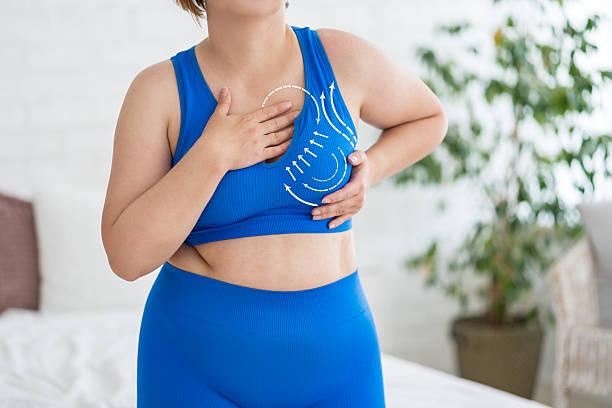

Recovery after Breast Liposuction in Dubai is an important part of the overall treatment process. Although the procedure uses relatively small access incisions, patients may still experience swelling, bruising, tenderness and temporary changes in sensation. The recovery experience varies according to the amount of fat removed, the surgical technique and individual healing characteristics.
Knowing what may happen after surgery can help patients prepare for time away from routine activities and follow their surgeon's instructions. A personalised recovery plan is more reliable than assuming everyone will heal at the same speed.
The Early Recovery Period
The first few days after breast liposuction are generally focused on rest, wound care and managing temporary discomfort.
Patients may experience:
-
Swelling around the treated area.
-
Bruising or skin discolouration.
-
Tenderness and sensitivity.
-
A feeling of tightness.
-
Temporary numbness or altered sensation.
-
Mild fluid drainage from access points, depending on the technique used.
These symptoms can occur as part of the healing process. However, severe or worsening symptoms should be assessed by the clinical team.
Patients should arrange appropriate support after surgery, particularly if they receive general anaesthesia or are advised to limit certain activities.
Swelling and Bruising During Healing
Swelling is a common part of recovery because the body responds to surgical tissue changes. Bruising may also develop around the treated area.
The amount and duration vary between patients. Some swelling may settle relatively early, while residual swelling can take longer to resolve.
Patients should avoid judging the final breast contour immediately after surgery. The appearance may change as inflammation decreases and tissues recover.
Compression Garments and Support
A surgeon may recommend a compression garment to support the treated area during recovery. The garment may help manage swelling and provide support while the tissues heal.
Patients should follow the specific instructions provided by their surgeon regarding:
-
When to begin wearing the garment.
-
How long it should be worn each day.
-
When it may be removed for hygiene.
-
How to manage discomfort or pressure.
-
When it is appropriate to stop using it.
A garment that is excessively tight or causes unusual pain, skin changes or breathing discomfort should be discussed promptly with the clinical team.
Returning to Everyday Activities
The return to normal activities depends on the patient's healing progress and the surgeon's advice.
Light daily movement may be encouraged when appropriate, but strenuous exercise, heavy lifting and activities that place pressure on the chest may need to be restricted initially.
Patients should not use a fixed recovery timeline from another person's experience to decide when to resume physical activity. Clearance should come from the treating surgeon.
Follow-Up Appointments and Healing Assessment
Follow-up visits allow the clinical team to monitor recovery and identify concerns.
During these appointments, the surgeon may assess:
-
Incision healing.
-
Swelling and bruising.
-
Skin condition.
-
Breast contour.
-
Changes in sensation.
-
Any signs of infection or fluid accumulation.
Patients should attend scheduled appointments even if they feel well. Early communication is also important if something does not appear to be healing as expected.
Warning Signs That Need Medical Attention
Some symptoms should not be treated as routine recovery changes. Patients should contact their surgical team if they experience increasing redness, worsening pain, fever, unusual discharge or rapidly increasing swelling.
Chest pain, shortness of breath, fainting or sudden severe symptoms require urgent medical attention.
Frequently Asked Questions
How long does recovery after breast liposuction take?
Recovery varies. Initial healing may occur before swelling has fully settled, so the surgeon should provide an individual timeline.
Is swelling normal after breast liposuction?
Some swelling is expected, although its severity and duration differ between patients.
When can I return to work?
This depends on the nature of the job, the procedure and your recovery. Your surgeon should advise when it is appropriate.
Do I need to wear a compression garment?
A garment may be recommended. Its use and duration should follow the surgeon's instructions.
When can I exercise again?
Strenuous exercise should be postponed until the surgeon confirms it is safe to resume.
Clinic Note: Recovery instructions should be tailored to the procedure and the patient's health. Following wound-care guidance, wearing recommended support garments and attending follow-up appointments can help the clinical team monitor healing.
