

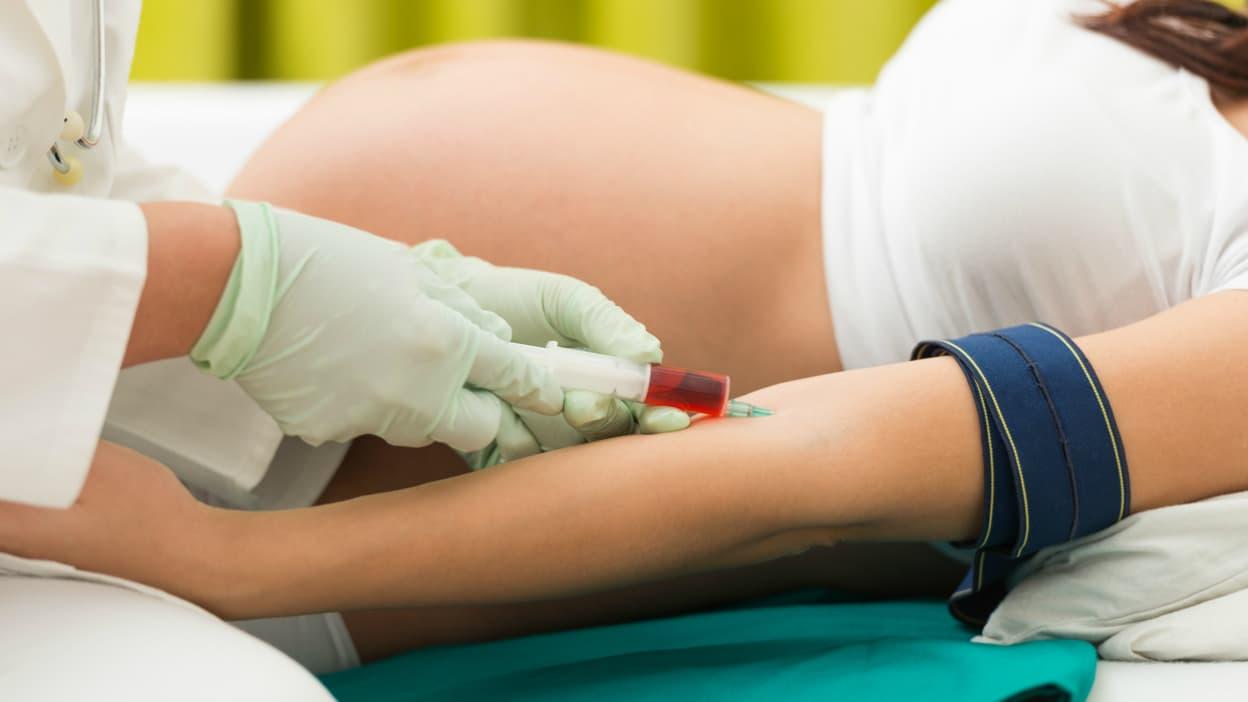

Taking a pregnancy blood test can feel like a big moment, especially if you are testing for the first time or trying to confirm an early pregnancy. You may have questions about how the test is performed, whether it hurts, how long it takes, and what happens after your blood sample is collected.
The good news is that a Pregnancy Blood Test Dubai is a simple, routine procedure. A healthcare professional collects a small blood sample, which a laboratory analyzes for human chorionic gonadotropin (hCG), a hormone associated with pregnancy. The entire blood collection process usually takes only a few minutes.
Whether your doctor has recommended testing after a missed period, you are experiencing early pregnancy symptoms, or you are undergoing fertility treatment, understanding each stage can help you feel more prepared.
This step-by-step guide explains what happens before, during, and after a pregnancy blood test, including how results are interpreted and what to expect next.
What Is a Pregnancy Blood Test and What Does It Detect?
A pregnancy blood test is a laboratory investigation that checks for hCG in your bloodstream. This hormone is produced by developing pregnancy tissue after implantation.
Unlike a home pregnancy test, which detects hCG in urine, a blood pregnancy test measures the hormone directly in a blood sample. Depending on the testing method, it can identify whether hCG is present or measure its concentration.
There are two main types:
Qualitative hCG test: This test checks whether hCG is detectable and generally reports a positive or negative result. Some laboratories may also report an indeterminate result.
Quantitative beta hCG test: Also known as a beta hCG blood test, this measures the actual amount of hCG in the blood. Results are usually reported in milli-international units per milliliter (mIU/mL).
A quantitative pregnancy blood test may be recommended when a healthcare professional needs to monitor hormone changes, evaluate early pregnancy symptoms, or investigate an uncertain result.
Your Pregnancy Blood Test Appointment: What Happens First?
Before the blood sample is collected, the healthcare professional may ask a few questions to understand why the test is being performed.
You may be asked about:
-
The first day of your last menstrual period.
-
Whether your period is late or irregular.
-
Possible early pregnancy symptoms.
-
Previous pregnancy test results.
-
Recent fertility treatment or hCG injections.
-
Relevant medications and medical history.
These details help your healthcare provider interpret the result in context.
For example, a negative result taken very early may not completely rule out pregnancy. Similarly, someone receiving fertility treatment may need a carefully timed test because an hCG injection can temporarily affect the result.
Do You Need to Fast Before the Test?
In most cases, fasting is not required for an isolated pregnancy blood test. You can generally eat breakfast, drink water, and follow your normal routine.
However, if your doctor has ordered additional blood tests, such as certain glucose or lipid tests, fasting may be necessary for those investigations. Always follow the instructions provided by your laboratory.
The Procedure Explained: 6 Steps of a Pregnancy Blood Test
The actual procedure is straightforward. Here is what typically happens from the moment you arrive at the laboratory until your blood sample is ready for testing.
Step 1: Registration and Patient Information
When you arrive, the laboratory staff will confirm your identity and review the requested test.
You may need to provide your name, date of birth, and other identifying information. The staff will also check whether your doctor requested a qualitative hCG test or a quantitative beta hCG test.
If you have a referral form or previous test reports, bring them along. Previous hCG measurements can be particularly helpful when your healthcare provider is monitoring an early pregnancy.
Step 2: Choosing a Suitable Vein
A trained phlebotomist will usually ask you to sit comfortably in a chair.
They will examine your arm and select a suitable vein, most often in the area inside your elbow. A soft elastic band may be placed around your upper arm to make the vein easier to locate.
The selected area is cleaned with an antiseptic solution to reduce the risk of infection.
Step 3: Collecting the Blood Sample
The healthcare professional gently inserts a small needle into the vein and collects blood into a laboratory tube.
You may feel a brief pinch or slight pressure when the needle enters your skin. Most people find the discomfort mild and temporary.
Only a small amount of blood is usually needed for an hCG pregnancy test.
If you feel dizzy or uncomfortable during blood collection, tell the phlebotomist immediately. They can help you remain comfortable and safe.
Step 4: Removing the Needle and Applying Pressure
Once enough blood has been collected, the phlebotomist removes the needle and places a clean cotton pad or gauze over the puncture site.
You will be asked to apply gentle pressure for a short time. A small adhesive bandage may then be placed over the area.
Mild tenderness or bruising can occasionally occur, but it generally resolves without treatment.
Step 5: Laboratory Analysis
Your blood sample is labeled and sent for laboratory analysis.
Depending on the test ordered, the laboratory uses an appropriate method to detect hCG or measure its concentration.
For a qualitative test, the report generally indicates whether hCG was detected. For a quantitative beta hCG test, the laboratory provides a numerical value.
The sample may be processed at the same facility or sent to another laboratory. As a result, reporting times can vary.
Step 6: Receiving Your Pregnancy Blood Test Report
Once testing is complete, the result is shared with you or your healthcare provider.
Some laboratories provide results electronically, while others issue a printed report. Your doctor can explain what the result means in relation to your menstrual dates, symptoms, and medical history.
If the result is unclear, your healthcare provider may recommend another blood test or an ultrasound.
What Do Pregnancy Blood Test Results Look Like?
The format of your report depends on the type of test performed.
A qualitative hCG report may simply state:
-
Positive
-
Negative
-
Indeterminate
A quantitative beta hCG report provides a number showing the measured hormone concentration.
The following values are common general reference points, but laboratory ranges and interpretation policies can differ.
| Beta hCG result | General interpretation |
|---|---|
| Below 5 mIU/mL | Usually considered negative |
| 5–25 mIU/mL | May be considered borderline or indeterminate |
| Above 25 mIU/mL | Generally consistent with pregnancy |
A result should always be interpreted using the reference range printed on your laboratory report.
Does One hCG Result Confirm a Healthy Pregnancy?
No. A positive pregnancy blood test confirms that hCG has been detected, but it does not establish where the pregnancy is located or whether it is developing normally.
A single hCG measurement cannot confirm:
-
The exact gestational age.
-
Whether a heartbeat is present.
-
Whether the pregnancy is inside the uterus.
-
Whether the pregnancy is viable.
-
Whether you are carrying twins or more than one baby.
Your healthcare provider may consider repeat beta hCG measurements and ultrasound findings to obtain a clearer picture.
How Long Does a Pregnancy Blood Test Take?
The blood collection itself usually takes around five minutes, although registration and waiting may make the appointment longer.
Laboratory turnaround time varies. Some facilities provide results on the same day, while others may take one or more working days.
Factors affecting the waiting time include:
-
The type of hCG test requested.
-
Whether the sample is processed on-site.
-
Laboratory workload.
-
Whether additional investigations are required.
-
The laboratory's reporting schedule.
If you need the result for fertility treatment or an urgent medical decision, ask the laboratory when the report is expected.
What Happens After a Positive or Negative Result?
The next step depends on your test result and individual circumstances.
If the result is positive: Contact your healthcare provider to discuss pregnancy confirmation and appropriate prenatal care. Your doctor may review your medical history, discuss medications, and recommend an ultrasound at the appropriate stage.
If the result is negative: A negative result may mean that you are not pregnant. However, if testing occurred very early, hCG may not yet have reached a detectable level. Your healthcare provider may suggest repeating the test after approximately 48–72 hours.
If the result is borderline: Your doctor may recommend another quantitative beta hCG test to see whether the hormone level changes over time.
Do not interpret an unexpected result without considering the timing of testing and your medical circumstances.
Is a Pregnancy Blood Test Painful or Risky?
A pregnancy blood test is generally safe and involves minimal risk.
Most people experience only a brief pinch during needle insertion. Some may notice temporary soreness, a small bruise, or minor bleeding at the collection site.
Serious complications are uncommon. If you have a history of fainting during blood tests, difficulty with blood collection, or a bleeding disorder, tell the healthcare professional beforehand.
You can ask to lie down during the procedure if you are worried about feeling dizzy.
When Should You Seek Medical Advice?
A positive pregnancy blood test is an important reason to arrange follow-up care, but certain symptoms require more urgent attention.
Seek urgent medical assessment if you experience severe or worsening abdominal or pelvic pain, shoulder-tip pain, heavy vaginal bleeding, dizziness, or fainting.
These symptoms can sometimes indicate an ectopic pregnancy or another complication. Do not wait for another routine blood test if you have concerning symptoms.
Frequently Asked Questions:
Can I take a pregnancy blood test at any time of day?
Yes. An hCG blood test can generally be performed at any time. The timing of the test in relation to ovulation, implantation, and your expected period is more important than the time of day.
How early can a pregnancy blood test detect pregnancy?
In some pregnancies, hCG may become detectable in blood around 8–10 days after ovulation. However, detection varies, and testing on or after the expected period is generally more dependable.
Can I drink water before the test?
Yes. Drinking water is generally fine before an isolated hCG blood test and may make blood collection easier.
Is a blood pregnancy test more accurate than a urine test?
Blood tests can detect lower concentrations of hCG and may identify pregnancy earlier than many home urine tests. However, accuracy still depends on testing time, laboratory methods, and individual circumstances.
Should I repeat my pregnancy blood test?
Not everyone needs repeat testing. Your healthcare provider may recommend serial beta hCG measurements if the initial result is uncertain or if monitoring is clinically necessary.
Final Thoughts:
A pregnancy blood Lab tests is a simple procedure that usually involves a brief blood draw and laboratory analysis. From registration and sample collection to receiving your hCG results, each step is routine and generally takes very little time.
Knowing what to expect can reduce anxiety and help you prepare for your appointment. Remember that a positive or negative result should be interpreted in the context of your menstrual cycle, symptoms, and medical history.
If your result is unclear, your healthcare provider can explain whether repeat beta hCG testing or an ultrasound is appropriate. With the right follow-up, you can better understand your results and make informed decisions about your next steps.
