

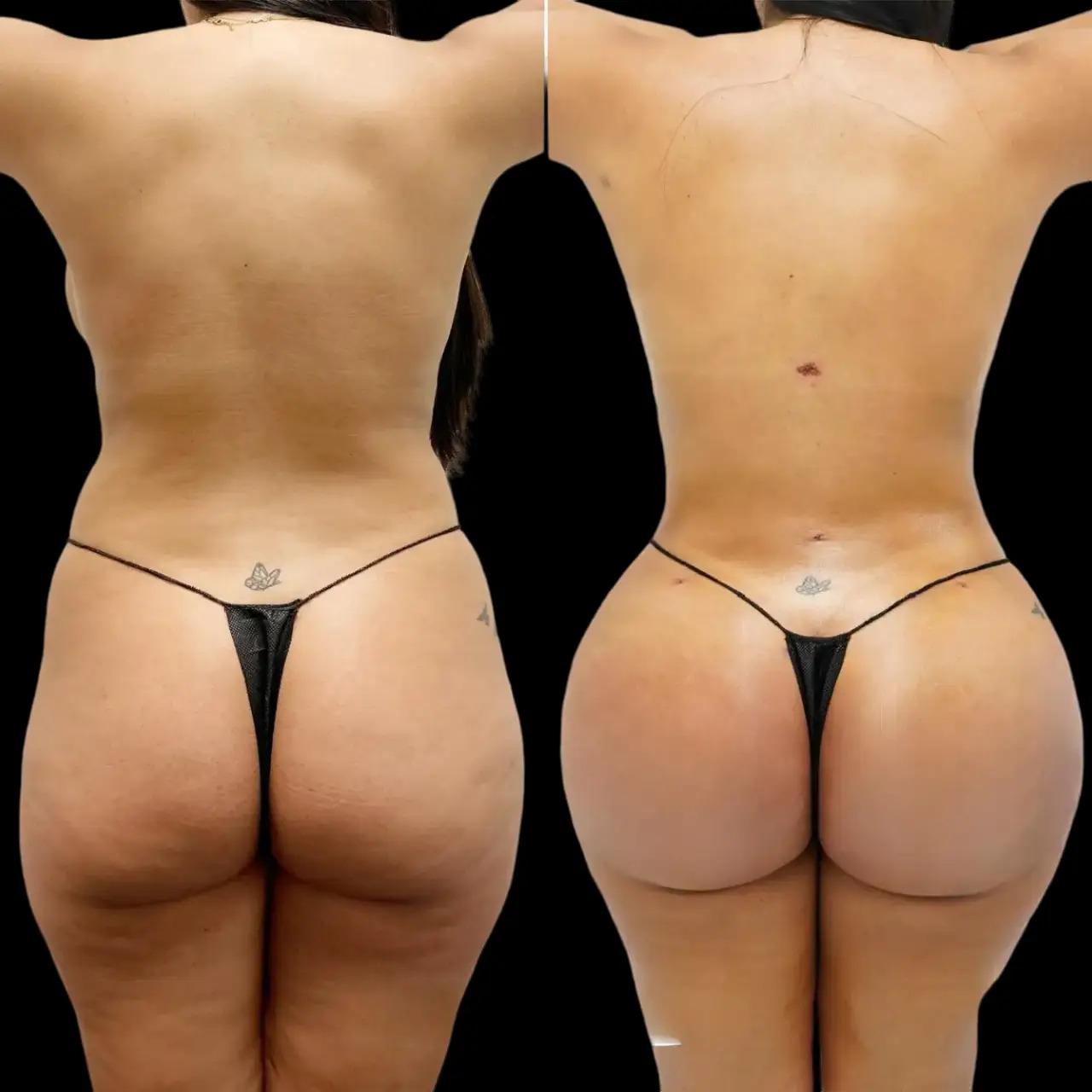

Why Is It Important to Understand Fat Transfer Surgery Side Effects?
Before undergoing fat transfer in dubai, patients should understand that the procedure involves both fat removal and fat injection. Therefore, side effects can occur in the donor area as well as the treatment area.
Knowing the possible side effects helps patients:
-
Understand what to expect after surgery.
-
Recognize normal recovery symptoms.
-
Identify warning signs of complications.
-
Follow appropriate aftercare instructions.
-
Make informed decisions about treatment.
-
Develop realistic expectations about results.
Every patient responds differently to surgery. The severity and duration of side effects depend on individual health, the treatment area, the amount of fat transferred, and the surgical technique.
Common Side Effects After Fat Grafting Surgery
fat grafting involves collecting fat from one body area and transferring it to another. Although the procedure uses natural body fat, the surgical process can cause temporary reactions.
Some common side effects include the following.
1. Swelling After Fat Transfer Surgery
Swelling is one of the most common side effects after fat transfer. It occurs because the body responds to tissue manipulation during surgery.
Swelling may develop in both the donor area and the treated area.
Patients may notice:
-
Puffiness around the treated area.
-
Temporary facial swelling.
-
A feeling of tightness.
-
Mild discomfort.
-
Changes in the shape of the treated area.
Swelling generally improves gradually over the following days and weeks. However, the final appearance may take several months to become clear.
Following postoperative instructions and avoiding unnecessary pressure on the treated area can help support recovery.
2. Bruising Around the Treatment Area
Bruising can develop when small blood vessels are affected during fat collection or injection.
It may appear as purple, blue, or yellowish marks on the skin.
Bruising is common around areas such as the face, cheeks, under-eyes, and donor sites.
Most bruises gradually fade as the body naturally absorbs the collected blood. Patients should avoid unnecessary rubbing or pressure on the treated areas.
3. Pain and Discomfort After Surgery
Mild pain and discomfort can occur after fat transfer surgery.
Patients may experience soreness in the donor area, especially when fat is removed from the abdomen, thighs, or flanks.
The treated area may also feel tender during the initial recovery period.
The level of discomfort depends on the amount of fat collected and the treatment area. Prescribed pain medication and proper rest can help manage discomfort.
Severe or increasing pain should always be reported to the medical team.
4. Temporary Numbness or Changes in Sensation
Some patients experience numbness, tingling, or unusual sensations after surgery.
These symptoms may occur because small nerves are temporarily affected during fat removal or injection.
In many cases, normal sensation gradually returns as the tissues heal.
However, persistent numbness, worsening discomfort, or unusual changes in sensation should be medically evaluated.
5. Redness and Skin Sensitivity
The skin around the treated area may appear red or feel sensitive after surgery.
This can happen because of minor tissue irritation and the body's natural healing response.
Mild redness generally improves with time. However, spreading redness, increasing warmth, fever, or discharge may indicate an infection and require medical attention.
Possible Complications of Fat Transfer Surgery
Although many side effects are temporary, fat transfer can also involve complications. Patients should understand these possibilities before deciding to undergo surgery.
1. Infection After Fat Transfer
Infection is a possible complication of any surgical procedure.
It may develop in the donor area or the area receiving transferred fat.
Possible symptoms include:
-
Increasing redness.
-
Severe swelling.
-
Warmth around the surgical area.
-
Increasing pain.
-
Pus or unusual discharge.
-
Fever.
Following hygiene instructions and keeping the surgical area clean can help reduce infection risks.
If signs of infection appear, patients should contact their medical team promptly.
2. Fat Absorption and Loss of Volume
One important consideration is that not all transferred fat survives permanently.
Some fat cells may not establish a sufficient blood supply after transplantation. As a result, the body naturally absorbs some of the transferred fat.
This can cause:
-
Reduced volume.
-
Less noticeable enhancement.
-
Uneven improvement.
-
Changes in the original treatment result.
The amount of fat that survives varies between individuals. It depends on several factors, including the treatment area, surgical technique, and healing response.
Patients should understand that final results may take several months to develop.
3. Fat Lumps and Irregularities
Sometimes, transferred fat may collect unevenly beneath the skin.
This can create small lumps, firmness, or irregular contours.
These changes may occur when fat does not distribute evenly or when healing takes place unevenly.
Mild irregularities may improve over time, but persistent lumps should be assessed by a medical professional.
4. Fat Necrosis and Oil Cysts
Fat necrosis occurs when some transferred fat cells do not survive.
The affected fat tissue may become firm and form small lumps. In some cases, oil cysts or areas of calcification may develop.
Symptoms can include:
-
Firm areas beneath the skin.
-
Small lumps.
-
Tenderness.
-
Changes in skin texture.
The severity varies, and some cases require additional medical evaluation or treatment.
5. Asymmetry After Fat Transfer
Asymmetry means that both sides of the treated area do not look exactly the same.
It may happen because of natural differences in body structure, uneven fat survival, or variations in healing.
For example, one cheek may retain more transferred fat than the other.
Patients should remember that perfect symmetry cannot always be guaranteed. The final appearance depends on individual anatomy and how the body responds to the procedure.
Under Eye Fat Transfer: What Side Effects Should Patients Expect?
under eye fat transfer is a procedure used to restore volume beneath the eyes and improve the appearance of hollow areas.
The under-eye region has delicate skin and complex blood vessels. Therefore, careful treatment planning is particularly important.
Possible side effects include:
Swelling: The under-eye area may appear puffy during the initial recovery period.
Bruising: Small blood vessels can be affected during fat injection, resulting in temporary discoloration.
Uneven Contours: Fat may settle differently on each side, creating visible differences.
Lumps: Small areas of firmness may develop if transferred fat does not distribute evenly.
Prolonged Puffiness: Some patients may experience persistent fullness beneath the eyes.
Fat Absorption: Some transferred fat may be absorbed naturally, reducing the initial improvement.
Patients should understand that under-eye treatment requires careful evaluation because excessive volume can create an unnatural or puffy appearance.
How to Reduce Side Effects After Fat Transfer Surgery in Dubai
Although side Fat transfer Surgery in dubai cannot be completely eliminated, following proper medical instructions can help support recovery.
Here are some important precautions.
1. Follow Postoperative Instructions
Patients should carefully follow all instructions provided by their medical team.
These instructions may include wound care, medication use, activity restrictions, and follow-up appointments.
2. Avoid Excessive Pressure on Treated Areas
Pressure can affect healing and may interfere with the transferred fat.
Patients should follow specific instructions about sleeping positions, massage, and clothing.
3. Take Prescribed Medications
Medication may be recommended to manage pain or reduce the risk of certain complications.
Patients should take medications only as instructed and avoid starting additional medicines without medical advice.
4. Avoid Smoking During Recovery
Smoking can reduce blood circulation and interfere with normal tissue healing.
Avoiding smoking before and after surgery can support a healthier recovery process.
5. Maintain a Balanced Diet
A healthy diet provides essential nutrients that support tissue repair.
Patients should include sufficient protein, fruits, vegetables, and other nutrient-rich foods in their daily meals.
6. Attend Follow-Up Appointments
Follow-up visits allow the medical team to monitor healing, assess swelling, and identify possible complications.
Patients should not skip recommended appointments, even if the recovery appears normal.
Best Fat Transfer Surgeons in Dubai: Why Surgical Safety Matters
People searching for the Best fat transfer surgeons in dubai should understand that safety is an important consideration when planning cosmetic surgery.
Fat transfer involves two surgical stages: fat removal and fat placement. Both stages require appropriate medical knowledge and careful technique.
Before choosing a procedure, patients should understand the importance of:
-
Appropriate medical qualifications.
-
Experience with fat transfer procedures.
-
Proper patient assessment.
-
Safe surgical techniques.
-
Clear communication about possible risks.
-
Suitable postoperative care.
A detailed consultation helps patients understand the expected benefits, limitations, and potential complications.
Best Fat Transfer Surgeons in Dubai: Understanding Possible Surgical Risks
People researching the Best fat transfer surgeons in Dubai should also learn about the possible risks associated with the procedure.
Some complications are uncommon but can be serious.
These may include:
-
Excessive bleeding.
-
Severe infection.
-
Blood clots.
-
Skin injury.
-
Complications related to anesthesia.
-
Fat embolism.
Fat embolism is a rare but potentially life-threatening complication in which fat enters the bloodstream and blocks blood vessels. Its risk depends on the treatment area and injection technique. Certain anatomical areas, particularly the buttocks, require special safety precautions.
Patients should discuss procedure-specific risks and safety measures during their consultation.
Best Doctors in Dubai: What Should Patients Know About Cosmetic Surgery Safety?
When researching the Best Doctors in dubai, patients should focus on medical qualifications, appropriate experience, patient safety, and transparent communication.
It is important to understand that every cosmetic procedure carries some level of risk.
Patients should receive clear information about possible complications, expected recovery time, and the limitations of fat transfer.
A responsible treatment decision should always be based on individual health requirements rather than cosmetic expectations alone.
Perfect Doctors Clinic and the Importance of Understanding Surgical Side Effects
People researching cosmetic procedures may come across the term Perfect Doctors Clinic while exploring information about aesthetic treatments.
Regardless of where treatment is considered, understanding possible side effects should remain an important part of the decision-making process.
Patients should receive information about the procedure, recovery expectations, potential complications, and aftercare requirements before undergoing surgery.
Knowing what to expect can help patients feel more prepared and recognize when medical attention may be necessary.
Dr. Perfect Celebrity: Why Realistic Fat Transfer Results Matter
The term Dr. perfect celebrity may appear in searches related to cosmetic procedures and aesthetic results.
Many people take inspiration from celebrity appearances when considering facial or body enhancement. However, individual results can vary significantly.
Factors such as natural anatomy, skin quality, available donor fat, and fat survival influence the final appearance.
Patients should avoid expecting identical celebrity-inspired results and focus on improvements that are appropriate for their own body structure.
Realistic expectations are an important part of a positive cosmetic surgery experience.
How Do Side Effects Influence Fat Transfer Surgery Cost in Dubai?
The Fat transfer Surgery cost in dubai may depend on the treatment area, procedure complexity, surgical technique, and individual medical requirements.
Although side effects do not automatically increase the original surgical cost, complications may sometimes require additional consultations, investigations, medications, or corrective treatment.
For example, patients experiencing persistent swelling, infection, or irregularities may need additional medical evaluation.
The overall treatment expense may include:
-
Initial consultation.
-
Medical investigations.
-
Surgical facility charges.
-
Anesthesia.
-
Postoperative medications.
-
Follow-up appointments.
-
Additional treatment if medically required.
Understanding these possible expenses before surgery helps patients plan their treatment more effectively.
Fat Transfer Cost in Dubai: Can Complications Increase Treatment Expenses?
The fat transfer cost in dubai can vary depending on the patient's needs and the complexity of the procedure.
If complications develop, additional expenses may sometimes arise.
For example, an infection may require medication and medical monitoring, while persistent lumps or irregularities may need further assessment.
However, not every patient experiences complications, and additional treatment is not always necessary.
Patients should ask about the costs of follow-up care and possible corrective procedures before making a final decision.
Fat Transfer Cost: What Should Be Included in Your Treatment Budget?
Understanding the complete fat transfer cost is important when planning cosmetic surgery.
Patients should consider the following expenses:
-
Consultation and medical assessment.
-
Required laboratory investigations.
-
Fat harvesting and processing.
-
Surgical and anesthesia charges.
-
Postoperative medications.
-
Follow-up consultations.
-
Possible additional treatment.
A clear financial plan helps patients understand the overall commitment involved in cosmetic surgery.
Fat Transfer Prices: Why Should Patients Compare More Than Just the Cost?
Comparing fat transfer prices can help patients understand the financial aspects of different treatment options.
However, selecting a procedure based only on the lowest price may not be a good decision.
Patients should consider the complete treatment plan, medical safety, surgical facilities, postoperative care, and the experience required for the procedure.
A lower price does not necessarily mean better value, just as a higher price does not guarantee better results.
Understanding what is included in the treatment package is more important than comparing prices alone.
How Long Do Fat Transfer Surgery Side Effects Last?
The duration of side effects depends on the individual patient and the treatment area.
Generally, recovery may involve the following stages:
First Few Days: Swelling, bruising, tenderness, and mild discomfort are common.
First Two Weeks: Bruising and initial swelling usually begin to improve.
Following Weeks: The treated areas gradually become more comfortable, although some swelling may remain.
After Several Months: The transferred fat settles, and the final results become easier to assess.
These timelines are general estimates. Recovery can take longer depending on the procedure and individual healing response.
When Should You Contact a Doctor After Fat Transfer Surgery?
Although mild swelling and bruising are expected, certain symptoms should never be ignored.
Patients should contact their medical team if they experience:
-
Severe or increasing pain.
-
Rapidly worsening swelling.
-
High fever.
-
Increasing redness or warmth.
-
Unusual discharge.
-
Persistent bleeding.
-
Sudden skin discoloration.
Sudden shortness of breath, chest pain, fainting, or neurological symptoms require immediate emergency medical attention.
Early medical evaluation can help identify complications and ensure appropriate treatment.
Conclusion: Understanding the Possible Side Effects of Fat Transfer Surgery in Dubai
Fat transfer surgery can improve facial volume and body contours using the patient's own fat. However, it is important to understand that the procedure involves possible side effects and complications.
Common effects include swelling, bruising, pain, numbness, and temporary changes in appearance. Other complications, such as infection, fat necrosis, asymmetry, and fat embolism, are less common but require attention.
Whether someone is considering facial fat transfer, under eye fat transfer, or body contour enhancement, proper patient assessment and realistic expectations are essential.
Understanding recovery requirements, possible risks, and aftercare instructions helps patients make informed decisions. Most importantly, patients should prioritize medical safety and seek professional advice whenever unexpected symptoms develop.
