

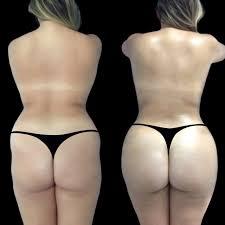

Best butt Fat transfer surgeons in dubai: Understanding Body Contouring Goals
People researching butt fat transfer often want to understand how the procedure can improve their natural body proportions. The main goal is usually to create a smoother and more balanced shape rather than simply increase buttock size.
A defined waist-to-hip ratio depends on several factors, including waist size, hip width, buttock volume, and natural bone structure. Fat transfer may improve the appearance of these areas by removing unwanted fat from selected locations and adding volume where needed.
However, every person's body is different. A treatment approach should consider natural proportions, skin quality, available fat, and realistic expectations. The aim should be a balanced appearance that suits the individual's body.
Butt Fat transfer Surgery in dubai: How It Can Improve Your Waist-to-Hip Ratio
Butt Fat transfer Surgery in dubai involves collecting fat from one or more areas of the body and transferring it to selected areas of the buttocks.
The procedure generally includes three stages:
-
Fat collection: Fat is removed from a suitable donor area through liposuction.
-
Fat processing: The collected fat is prepared to separate suitable fat cells from unwanted fluids and materials.
-
Fat transfer: The prepared fat is carefully placed into selected areas of the buttocks.
Removing fat from the waist or stomach may help create a more defined middle section. Adding volume to the buttocks may make the hips and lower body appear fuller.
Together, these changes may create a more noticeable waist-to-hip contrast. However, the final result depends on the person's natural body shape and the amount of fat that survives after transfer.
Butt Fat transfer Surgery cost in dubai: What Determines the Total Price?
The Butt Fat transfer Surgery cost in dubai can vary because every procedure is planned according to individual needs. Some people may require fat removal from one area, while others may need several donor areas to achieve their desired body contour.
Several factors can affect the total cost:
-
The amount of fat that needs to be removed.
-
The number of donor areas involved.
-
The complexity of the body-contouring procedure.
-
The amount of fat required for transfer.
-
Anaesthesia and facility-related expenses.
-
Follow-up appointments and aftercare requirements.
A procedure involving both waist contouring and buttock enhancement may have different costs from a procedure focused only on adding volume. It is important to understand the full estimated expense and what it includes before making a decision.
Best Doctors in dubai: Why Individual Body Assessment Matters
A defined waist-to-hip ratio looks different on every person. Some individuals naturally have wider hips, while others have a straighter body shape. Fat distribution and bone structure also influence the overall appearance.
An individual assessment helps determine whether fat transfer may be suitable. Factors such as medical history, body weight, skin elasticity, available donor fat, and personal expectations are important.
It is also necessary to understand the limitations of the procedure. Fat transfer can change volume and contour, but it cannot change the underlying pelvic structure or guarantee a specific waist-to-hip ratio.
Dr. perfect celebrity: Understanding Celebrity-Inspired Body Shapes
The phrase Dr. perfect celebrity may appear in online searches related to beauty and cosmetic procedures. Celebrity body shapes often attract attention, especially when people are interested in fuller hips and a smaller-looking waist.
However, photographs do not always show natural body proportions. Lighting, clothing, posture, camera angles, and digital editing can change how someone's figure appears.
Every person has a different bone structure and natural fat distribution. Instead of trying to copy a celebrity's body shape, it is better to focus on realistic personal goals.
Fat transfer should be considered as an option for improving individual body contours, not as a way to guarantee a particular appearance.
Perfect Doctors Clinic: Understanding the Importance of Treatment Information
People may come across the phrase Perfect Doctors Clinic while researching cosmetic treatments. When exploring any procedure, the most important thing is to understand the treatment process, its safety requirements, and its possible outcomes.
Useful information should explain how fat is collected, processed, and transferred. It should also cover possible complications, recovery instructions, and the limitations of the procedure.
Buttock fat transfer is a surgical treatment and should not be treated as a simple beauty service. Understanding the medical details helps people make informed decisions and develop realistic expectations.
Fat Transfer from Stomach to Buttocks: Creating a More Defined Shape
Fat transfer from stomach to buttocks is a commonly discussed body-contouring option. It involves collecting fat from the abdominal area and transferring it to the buttocks.
For individuals with suitable abdominal fat, this approach may help change two areas of the body. Removing unwanted fat from the stomach can improve the appearance of the waist, while adding volume to the buttocks may create fuller lower-body curves.
The combination may make the waist appear more defined in relation to the hips. However, the amount of fat available for transfer varies from person to person.
Not all transferred fat cells survive. Some are naturally absorbed by the body, which means the final volume may be smaller than the amount initially placed.
Best butt fat transfer surgeon in Dubai: Important Safety Considerations
People searching for the Best butt fat transfer surgeon in Dubai should understand that safety is one of the most important parts of this procedure.
Buttock fat transfer carries risks such as infection, bleeding, uneven contours, fat necrosis, and fat embolism. Fat embolism is a serious and potentially life-threatening complication.
Safe surgical technique is essential. Fat should not be injected into the gluteal muscle. People considering the procedure should understand the fat-placement method, safety precautions, possible complications, and recovery requirements.
No procedure can guarantee a perfect result. A careful decision should be based on complete medical information rather than promises of a particular body shape.
Best butt fat transfer surgeons in Dubai: Planning Natural-Looking Proportions
The search for Best butt Fat transfer surgeons in dubai often reflects an interest in achieving natural-looking curves and balanced proportions.
The final appearance depends on the original body shape, the amount of available fat, the areas selected for treatment, and how the body heals.
For a more defined waist-to-hip ratio, the goal may be to reduce fullness around the waist and add volume to selected buttock areas. However, the procedure cannot completely change natural bone structure or guarantee identical results for everyone.
A realistic approach focuses on improving body balance while keeping natural proportions in mind.
Fat transfer clinic in dubai: What to Understand Before Making a Decision
When researching a fat transfer clinic in dubai, it is useful to focus on the medical details of the procedure rather than promotional claims.
Before considering treatment, people should understand:
-
How fat is collected and processed.
-
Which areas may be suitable for fat removal.
-
How transferred fat is placed.
-
What safety measures are followed.
-
What complications may occur.
-
How much recovery time may be needed.
Clear information about these points can help people understand what the procedure involves. It is also important to know that not everyone is a suitable candidate for surgery.
Butt fat transfer in dubai: Improving the Waist and Hip Contour
Butt fat transfer in dubai may help people who want fuller buttocks and a smoother transition between the waist and hips.
Some individuals have a naturally straight body shape with limited fullness around the sides of the buttocks. Adding fat to selected areas may improve the appearance of curves and create a more rounded lower-body contour.
The procedure may also be considered for certain contour irregularities. However, the final outcome depends on the amount of available fat, skin quality, and individual anatomy.
Maintaining a stable weight after treatment is important because major weight changes can affect the appearance of transferred fat.
Butt fat transfer cost: Factors That Influence Treatment Expenses
The overall butt fat transfer cost depends on the amount of fat removal and transfer required.
For example, someone who wants a small increase in buttock volume may have different treatment needs from someone who wants more extensive waist and hip contouring.
The number of donor areas, surgical complexity, anaesthesia, facility expenses, and aftercare can all affect the total price.
Before making a decision, it is useful to understand the complete estimated cost and whether follow-up care and related expenses are included.
Butt fat transfer results: What Changes Can You Expect?
Butt fat transfer results develop gradually as the body recovers. Swelling during the early healing period can make the treated areas look fuller than their eventual appearance.
The body naturally absorbs some of the transferred fat. The remaining fat cells may develop a blood supply and become part of the treated area.
Possible changes may include:
-
A fuller-looking buttock area.
-
Improved lower-body curves.
-
A more noticeable waist-to-hip contrast.
-
Better balance between the waist and hips.
-
Smoother body contours.
Results vary, and perfect symmetry or a specific body ratio cannot be guaranteed. Weight stability can also influence long-term appearance.
Butt fat transfer recovery: How to Support the Healing Process
Butt fat transfer recovery requires time and careful attention to aftercare instructions. The body needs to heal from both the fat-removal and fat-transfer stages.
Swelling, bruising, tenderness, and discomfort may occur during the early recovery period. The recovery timeline depends on the extent of surgery and individual healing.
Important recovery considerations include:
-
Follow all post-operative instructions.
-
Avoid direct pressure on the treated buttocks for the recommended period.
-
Use suitable sitting and sleeping positions as advised.
-
Avoid strenuous exercise until cleared.
-
Maintain a stable and healthy weight.
-
Attend recommended follow-up appointments.
Sudden chest pain, difficulty breathing, fainting, or other severe unexpected symptoms require urgent medical attention.
Fat Transfer from Stomach to Butt: A Body-Contouring Approach
Fat transfer from stomach to butt combines fat removal from the abdominal area with volume enhancement in the buttocks.
This approach may appeal to people who have enough suitable fat around the stomach and want to improve their waist and lower-body contours.
Removing abdominal fat may help create a more defined-looking waist, while adding volume to the buttocks can make the lower body appear fuller. Together, these changes may improve the visual balance between the waist and hips.
However, the procedure is not a weight-loss solution. It is intended for targeted body contouring, and suitability depends on individual health and body composition.
Butt fat transplant: Final Thoughts on a Defined Waist-to-Hip Ratio
A butt fat transplant may help improve the appearance of the waist-to-hip ratio by combining fat removal from selected areas with volume enhancement in the buttocks.
For suitable individuals, this approach may create fuller curves, improve certain contour differences, and make the waist appear more defined in relation to the hips.
However, results depend on natural anatomy, available donor fat, fat survival, and healing. The procedure also carries serious risks, so safety and realistic expectations should always come first.
The best goal is to improve natural body proportions rather than achieve an unrealistic shape. Understanding the procedure, possible outcomes, costs, risks, and recovery requirements can help people make a thoughtful and informed decision.
