

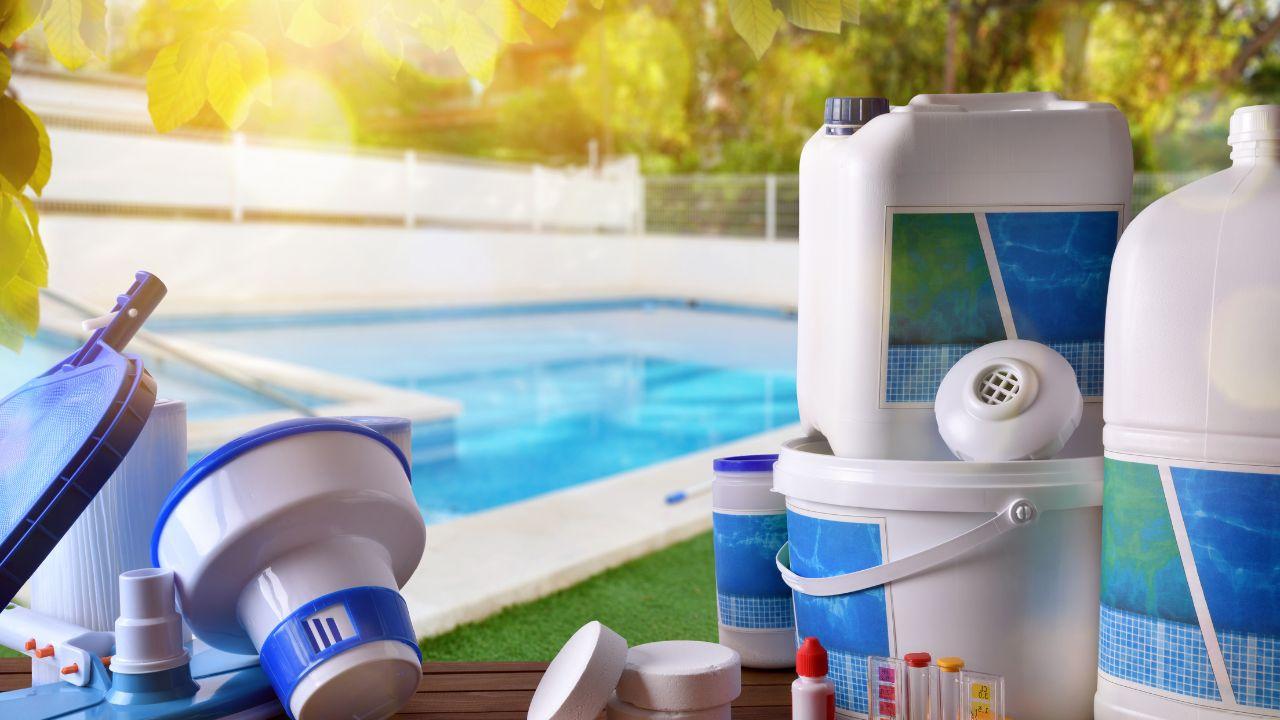

Salt chlorinator systems have grown popular among Singapore homeowners seeking a more hands-off approach to pool sanitisation, generating chlorine automatically from dissolved salt rather than requiring manual addition of chlorine products. While these systems do reduce some day-to-day handling, they are not entirely maintenance-free, and understanding the care they require, along with the signs that indicate the core cell needs replacement, helps owners get the most reliable performance from their investment.
How Salt Chlorination Actually Works
A salt chlorinator system dissolves a moderate amount of salt into the pool water, far less concentrated than seawater, and then passes this salty water through a cell containing electrically charged plates. This process, called electrolysis, converts the dissolved salt into chlorine, which then sanitises the pool just as traditionally added chlorine would, before eventually converting back to salt in an ongoing cycle. The system essentially manufactures its own chlorine supply continuously, reducing the need for manual dosing.
Routine Maintenance the System Still Requires
Despite the automation, salt chlorinator systems still need regular attention, including periodic inspection of the cell for calcium scale buildup on the plates, which can reduce chlorine production efficiency if left unaddressed. Most systems include a self-cleaning reverse polarity feature to minimise scale accumulation, but periodic manual cleaning, usually involving a mild acid solution, is still typically recommended at intervals specified by the manufacturer.
Monitoring Salt Levels
Salt levels need to remain within a specific range for the chlorinator to function correctly, and levels that drop too low, whether through dilution from heavy rain or water splashed out during use, can reduce chlorine output or trigger the system to display a low-salt warning. Periodically testing salt concentration and topping up as needed ensures the system continues producing chlorine at the intended rate.
Signs the Chlorinator Cell Is Wearing Out
Chlorinator cells have a finite lifespan, typically rated for a certain number of operating hours before the plates degrade to the point where chlorine production drops noticeably even with adequate salt levels and a clean cell. Signs of a failing cell include the system struggling to maintain adequate chlorine levels despite otherwise correct salt and pH readings, or an error message indicating reduced cell output on systems with digital displays.
Typical Cell Lifespan in Singapore Conditions
While manufacturer estimates often suggest a multi-year lifespan under normal conditions, Singapore's warm water temperatures can mean cells work harder and may wear somewhat faster than in cooler climates, since chlorine demand tends to be higher year-round. Owners should treat manufacturer lifespan estimates as a general guide rather than an exact figure, paying closer attention to actual performance indicators as the cell ages.
Repairing vs Replacing the Cell
Unlike some other pool equipment, chlorinator cells are generally not repairable once the internal plates have degraded beyond their effective lifespan, making replacement the standard solution for a worn-out cell. The broader control unit that powers the cell, however, can sometimes be repaired independently if the fault lies in the electronics rather than the cell itself, which is why a proper diagnosis matters before assuming the entire system needs replacing.
Getting Professional Support for Salt Systems
Because salt chlorinator systems combine chemical, mechanical, and electronic elements, a technician offering pool equipment replacement services experienced specifically with these systems can more accurately determine whether a performance issue stems from the cell, the control unit, or simply an imbalance in salt or other water chemistry parameters.
Comparing Salt Systems to Traditional Chlorination
Homeowners weighing whether to install a salt chlorinator system in the first place, or whether to switch back to traditional chlorine dosing after a cell failure, often find it useful to compare the two approaches on more than just convenience alone. While salt systems reduce manual handling of chlorine products, the eventual cost of cell replacement should be factored into any long-term cost comparison alongside the ongoing cost of traditional chlorine products. Some homeowners also report that salt water feels gentler on skin and eyes compared to traditionally chlorinated water, though water quality outcomes between the two approaches are broadly comparable when either system is properly maintained and monitored.
Homeowners installing a salt system for the first time should also budget for the eventual cost of cell replacement from the outset, rather than being caught by surprise several years into ownership when the original cell finally reaches the end of its service life. Treating this future cost as a known, planned expense rather than an unexpected one makes the overall value proposition of a salt system clearer when weighed against traditional chlorination from the very beginning.
Conclusion
Salt chlorinator systems offer genuine convenience for Singapore pool owners, but they still require periodic attention to cell cleanliness, salt levels, and overall performance to function reliably over time. Recognising the signs of a worn-out cell, and understanding when replacement rather than repair is the appropriate response, helps owners keep their system running effectively for as long as possible.

