

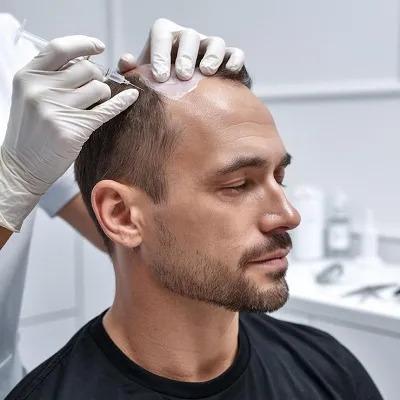

Uneven hair density is a common concern for people who experience thinning hair, patchy hair growth, receding hairlines, or visible scalp areas. It can make the hair appear less full and create an imbalance in the overall appearance of the scalp. Many people look for non-surgical solutions that can improve the appearance of their hair without undergoing invasive procedures. SMP Scalp Micro Pigmentation in Dubai is one option that can help create the illusion of fuller, thicker, and more evenly distributed hair.Scalp Micropigmentation, commonly known as SMP, is a specialised cosmetic procedure that uses tiny pigment deposits to replicate the appearance of natural hair follicles. By carefully placing small pigment impressions across selected scalp areas, an SMP practitioner can reduce the visual contrast between the hair and the scalp. This technique can be particularly helpful for individuals who have uneven hair density and want a more balanced, natural-looking appearance.
What Is Uneven Hair Density?
Uneven hair density refers to a condition in which hair does not grow at the same thickness or distribution across the scalp. Some areas may have thick and healthy-looking hair, while other sections appear thin, sparse, or almost completely bald. This difference can make the scalp more visible, especially under bright lighting or when the hair is styled in certain directions.Several factors can contribute to uneven hair density, including genetic hair loss, male pattern baldness, hormonal changes, ageing, alopecia, and previous hair restoration procedures. Some people naturally have areas where their hair grows less densely than others. Regardless of the cause, uneven density can affect confidence and make individuals feel uncomfortable about their appearance.
How Does SMP Work for Uneven Hair Density?
SMP works by introducing specialised cosmetic pigments into the upper layers of the scalp using a precision micropigmentation device. The practitioner creates tiny impressions that resemble natural hair follicles. These impressions are carefully distributed to complement the individual's existing hair pattern, colour, and density.For people with uneven hair density, the treatment focuses on the areas where the scalp is more visible. Instead of covering the entire scalp with an identical pigment pattern, the practitioner adjusts the placement and concentration of pigment according to the natural hair distribution.For example, if someone has thick hair on the sides but noticeable thinning on the crown, SMP can be applied strategically to the crown area. This helps reduce the contrast between the thicker and thinner sections, making the overall scalp look more consistent.
Can SMP Make Thin Hair Look Thicker?
Yes, SMP can help create the appearance of thicker hair by reducing the visible difference between the scalp and existing hair. When hair becomes thin, the skin underneath often becomes more noticeable. This contrast can make the hair appear even thinner than it actually is.SMP addresses this concern by adding tiny pigment impressions between existing hair follicles. These impressions create the appearance of greater follicle density and help blend sparse areas with surrounding hair.The final appearance depends on several factors, including the individual's existing hair density, scalp colour, hair shade, skin characteristics, and treatment technique. A personalised approach is important because applying too much pigment or choosing an unsuitable shade can make the results appear unnatural.
How Does SMP Treat Patchy Hair Areas?
Patchy hair loss can create noticeable gaps between sections of healthy hair. These areas may occur around the crown, temples, hairline, or other parts of the scalp. SMP can help camouflage these patches by introducing pigment impressions that visually blend with the surrounding follicles.During treatment, the practitioner examines the affected areas and determines where pigment placement may provide the most natural-looking result. The impressions are distributed carefully to avoid creating an overly dark or artificial appearance.For smaller patches, targeted SMP may be sufficient to improve visual consistency. Larger areas may require a more extensive treatment plan with multiple sessions. The number of sessions depends on the size of the treatment area, the desired density, and individual skin response.
Is SMP Suitable for Men and Women With Uneven Hair Density?
SMP can be suitable for both men and women experiencing different patterns of hair thinning. Men commonly seek treatment for receding hairlines, thinning crowns, male pattern baldness, and general hair density concerns.Women may experience widening hair partings, diffuse thinning, reduced density around the crown, or visible scalp areas. SMP can help reduce scalp visibility inselected areas and create the impression of fuller-looking hair.However, the treatment approach for men and women can be different. Men who prefer a closely shaved appearance may choose a follicle-replication technique across the scalp. Women with longer hair may benefit from carefully placed density-enhancement pigmentation that blends with their natural hair.A professional consultation helps determine whether SMP is appropriate for the individual's hair loss pattern and expectations.
How Many SMP Sessions Are Required for Uneven Hair Density?
SMP is generally performed over multiple sessions rather than completing the entire treatment in one appointment. This allows the practitioner to gradually build the desired appearance while assessing how the scalp responds to the pigment.The first session usually focuses on establishing the basic pigment pattern and improving the appearance of sparse areas. During subsequent appointments, additional impressions may be introduced to refine density, improve blending, and create a more balanced result.The exact number of sessions varies according to the treatment area, skin type, existing hair density, and individual goals. Some people with smaller thinning areas may require less work than those with extensive hair loss.Allowing appropriate healing time between appointments is also important for achieving consistent results.
Does SMP Look Natural on Uneven Hair?
Natural-looking results depend on precision, pigment selection, placement, and an understanding of natural hair growth patterns. Every person's scalp has a different follicle distribution, so the treatment should be customised rather than following a standard pattern.An experienced practitioner considers the natural direction of hair growth, existing follicle spacing, hair colour, and skin tone before beginning the procedure. The pigment impressions should be small, balanced, and appropriately spaced.The objective is to create a soft and realistic appearance that complements the existing hair. A carefully planned treatment can help minimise the visual difference between dense and sparse areas without making the scalp look artificially dark.Reviewing healed before-and-after photographs and discussing realistic expectations during consultation can help individuals understand the potential outcome.
What Are the Benefits of SMP for Uneven Hair Density?
One of the main benefits of SMP is that it provides a non-surgical cosmetic approach to improving the appearance of thinning hair. Unlike hair transplantation, SMP does not involve moving hair follicles from one part of the scalp to another.It can also be customised for different hair loss patterns, including thinning crowns, patchy areas, receding hairlines, and diffuse hair loss. Another advantage is that the procedure can be tailored to complement existing hair rather than requiring a completely different hairstyle.SMP can also help camouflage certain scars, including suitable scars from previous hair transplant procedures. However, scar suitability must be assessed individually.The results are generally long-lasting but may gradually fade over time. Periodic maintenance or touch-up sessions may be considered depending on the individual's results and preferences.
How Should You Care for Your Scalp After SMP?
Proper aftercare plays an important role in supporting healing and maintaining the appearance of SMP. Following treatment, the scalp may experience temporary redness, sensitivity, or mild irritation. These effects usually settle as the skin heals.Clients should follow their practitioner's aftercare instructions carefully. These may include avoiding excessive sweating, swimming, direct sun exposure, and unnecessary contact with the treated area during the initial healing period.Once the scalp has healed, protecting it from excessive UV exposure can help maintain pigment appearance. Using appropriate scalp sunscreen and following recommended skincare practices may also support long-term results.Individuals should avoid applying unapproved products to the treated area and should contact their practitioner if they experience unusual irritation or signs of infection.
Why Choose Professional SMP Treatment in Dubai?
Choosing a professional SMP provider is important because uneven hair density requires careful planning and precise pigment application. The practitioner should understand scalp anatomy, pigmentation techniques, colour selection, and natural follicle distribution.Dubai offers access to cosmetic and aesthetic services for people seeking different hair restoration options. However, clients should evaluate providers carefully by reviewing their experience, hygiene practices, consultation process, and genuine healed treatment results.
Glamorous Clinic Dubai can be considered when exploring SMP treatment options in Dubai. Before proceeding, individuals should arrange a consultation to discuss their hair density concerns, assess scalp suitability, understand the treatment approach, and clarify expected results.A personalised treatment plan is particularly important for uneven hair density because every scalp has different requirements. The right approach should focus on achieving a balanced appearance while respecting the individual's natural hair pattern.
Conclusion
Uneven hair density can make the scalp more visible and affect the overall appearance of existing hair. Scalp Micropigmentation offers a non-surgical cosmetic solution that uses tiny pigment impressions to create the appearance of additional hair follicles. By strategically treating sparse areas, SMP can help blend uneven sections, reduce visible scalp contrast, and create a fuller-looking appearance.Whether someone experiences a thinning crown, patchy hair loss, a receding hairline, or general hair thinning, the treatment can be customised according to individual needs. Results depend on the existing hair pattern, skin characteristics, pigment selection, and practitioner's technique.
