

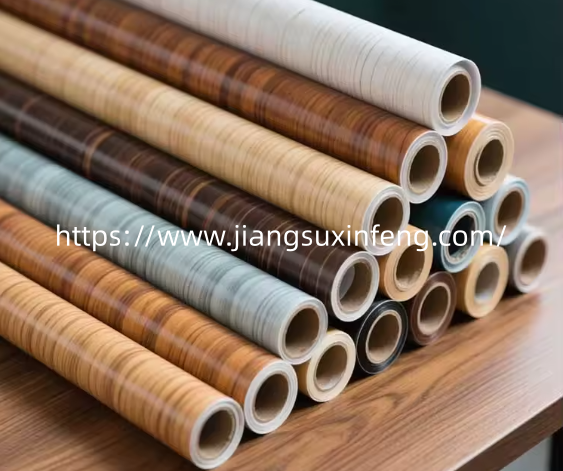

Glass is valued for bringing daylight into a space, yet transparent surfaces can sometimes make rooms feel exposed or visually unfinished. Decorative film provides a way to change this relationship without replacing the existing glass. When considering Frosted Window Film, designers and buyers often look for a balance between privacy, light, material quality, and appearance. A frosted finish softens direct views through glass, creating a more discreet environment while preserving the sense of openness that makes glass useful in homes, offices, and commercial interiors.
The material composition influences how a film behaves during application and everyday use. PVC is commonly used in decorative film because it can be processed into flexible surfaces with different finishes and visual effects. Depending on the product construction, a film may also incorporate adhesive layers, protective liners, or surface treatments that support handling and application. These components should work together as a complete material system. Buyers should consider the type of glass, the intended installation environment, and the expected cleaning routine when evaluating film options. Material compatibility matters because a decorative finish must remain suitable for the surface and conditions where it will be used.
Selecting a suitable film begins with identifying the purpose of the glass surface. A meeting room may require privacy for conversations, while a residential bathroom may need to soften visibility without making the room feel closed in. Retail interiors may use frosted film to create visual separation between areas while maintaining a consistent design language. Buyers should also consider whether the application covers the entire glass panel or only selected sections. Reviewing samples on the actual glass can reveal how the finish appears under different lighting conditions. This step helps clarify the relationship between privacy, brightness, and the surrounding interior before a larger installation is planned.
The technical function of frosted film is closely related to the way its surface interacts with light. Rather than allowing a clear image to pass directly through the glass, the frosted finish scatters incoming light and softens the view. This creates an etched-glass effect that can support privacy while allowing daylight to enter. Decorative window films are used for both visual design and functional screening, making them adaptable to a variety of interior glass applications. <Cite refs={["turn592778search0","turn592778search12"]}/> The degree of visual obscurity depends on the film design and the lighting conditions on either side, so the desired level of privacy should be assessed in context.
Manufacturing processes contribute to the consistency of the finished surface. Film production may involve forming the base material, applying or developing the surface finish, and combining functional layers where required. The quality of these operations can influence the film's appearance, handling characteristics, and suitability for conversion or installation. Consistent finishing is especially important when several glass panels are treated within one space. Differences in orientation, surface texture, or application can become noticeable when panels are placed next to one another. Buyers can discuss sample approval and production consistency with suppliers to establish a clear reference for the intended result.
User experience depends not only on the appearance of the film but also on how conveniently it can be installed and maintained. Clean glass preparation, careful positioning, and suitable application methods help create a more uniform result. Installers should follow the product's instructions and check compatibility with the glass and surrounding conditions. Once applied, the film should be cared for according to supplier guidance, using cleaning practices appropriate for its surface. In shared environments, clear maintenance instructions can help preserve the appearance of treated glass. These practical considerations are important for offices, homes, and public spaces where the finished surface is expected to remain visually consistent.
Design and appearance give frosted film flexibility across different architectural styles. A simple translucent finish can complement minimalist interiors, while patterned or selectively applied film can introduce visual interest without overwhelming the space. Frosted areas may also be arranged as bands, decorative shapes, or coordinated elements across glass partitions. These approaches can help define zones, soften sightlines, or create a more cohesive interior appearance. The interaction between film and natural light is particularly important: the finish can make a glass surface feel less stark while allowing it to remain part of the overall architectural composition.
Jiangsu Xinfeng Star Film Materials Co., Ltd. provides a point of contact for businesses exploring decorative PVC film solutions for different applications. Buyers can discuss their intended glass surfaces, preferred visual effects, installation environment, and design direction when evaluating suitable film options. Reviewing samples and clarifying application requirements can help establish a shared understanding of the desired finish. Further information about the company's film products is available at https://www.jiangsuxinfeng.com/.
