

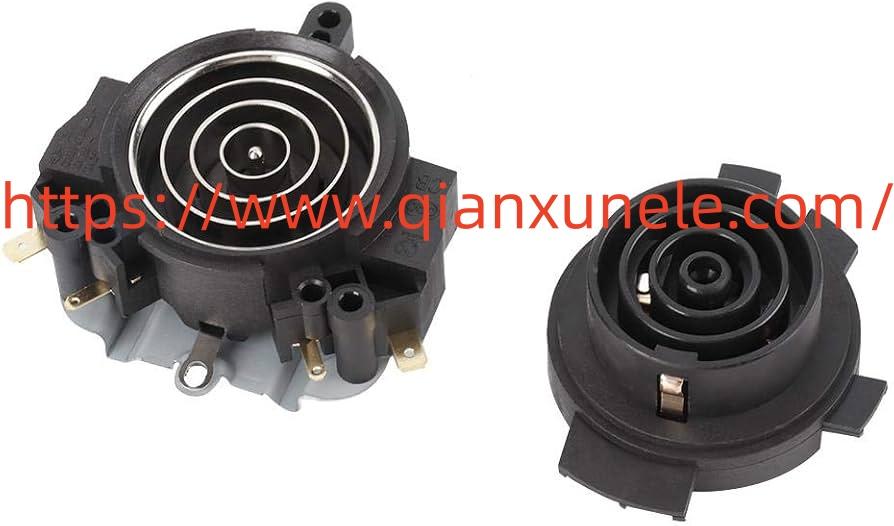

Electric Kettle Thermostat Coupler selection requires buyers to examine connection structure, electrical compatibility, installation dimensions, and manufacturing requirements. For household appliance producers, this component connects important parts of the heating and power supply system. Its configuration should match the appliance design and intended operating conditions. Before placing an order, purchasing teams should collect accurate technical information, compare available models, and communicate their requirements clearly with the manufacturer.
Understand the Product Structure
The first step is to understand how the component fits into the appliance assembly. Different product designs may use different connection arrangements, mounting structures, and contact positions. A similar external appearance does not necessarily mean two models can be exchanged.
Buyers should pay attention to the following details:
Overall housing shape and dimensions
Number and position of electrical contacts
Connection direction and mounting arrangement
Space available inside the appliance base
Compatibility with the existing heating assembly
Providing photographs or technical drawings can help the manufacturer identify the required configuration. For projects involving several appliance models, buyers should prepare a separate specification record for each version to avoid confusion during purchasing.
Confirm Electrical Specifications
Electrical compatibility should be verified before selecting a product. Buyers need to identify the rated voltage, current, frequency, contact arrangement, and circuit requirements of the finished appliance.
The component must correspond to the actual electrical design. Choosing a model based only on its external dimensions or product name may create compatibility problems during assembly.
Purchasing teams should communicate with their engineering departments to obtain the correct electrical specifications. If the product is intended for different regional markets, the relevant technical and compliance requirements should also be discussed with the manufacturer.
It is useful to request written confirmation of the selected model and its electrical parameters. This gives both parties a clear reference before sample approval and bulk production.
Examine Housing Materials and Contact Design
Material selection is another important factor during product evaluation. The housing, metal contacts, and terminal structures should be suitable for the intended installation environment.
Buyers can ask the supplier about the material options, contact construction, and manufacturing processes used for the selected configuration. They should also check whether the design provides sufficient support for the electrical connections during normal operation.
Contact positioning deserves particular attention. Incorrect alignment may affect installation and the connection between different appliance sections. Buyers should therefore compare the product drawing with the actual assembly structure instead of relying entirely on a general description.
A detailed discussion about materials and construction can help purchasing teams understand the product before arranging samples.
Check Installation Dimensions and Assembly Methods
A suitable component needs to fit the available installation space without requiring unnecessary changes to the appliance structure.
Buyers should confirm the housing diameter, overall height, mounting points, terminal positions, and connection dimensions. These measurements can influence assembly procedures and production fixture design.
For manufacturers developing a new appliance model, it is advisable to confirm dimensions during the design stage. This gives engineers time to review the installation arrangement and identify possible interference with surrounding parts.
For existing production lines, buyers should compare the proposed component with the approved reference sample. Any dimensional differences should be discussed before the purchasing team authorizes a large order.
Arrange Sample Testing and Product Inspection
Sample evaluation allows buyers to check whether a proposed model matches their actual application. Engineering teams can install the sample in the intended appliance structure and review the connection, positioning, and assembly process.
A practical inspection plan may include:
Checking dimensions against approved drawings
Reviewing terminal alignment and connection condition
Examining housing appearance and assembly quality
Confirming electrical characteristics
Conducting application tests under specified operating conditions
Buyers should record the inspection results and communicate any concerns to the supplier. If adjustments are required, updated drawings or marked photographs can help explain the changes.
Once a sample has been approved, both parties should retain the corresponding specification information. This makes later production batches easier to compare with the original requirements.
Review Customization and Order Planning
Different appliance projects may require special dimensions, terminal directions, mounting features, or packaging arrangements. Buyers should explain these requirements before requesting a quotation.
The manufacturer may need technical drawings, reference samples, estimated order quantities, and information about the intended application. These details help determine whether an existing model is suitable or whether a customized configuration should be discussed.
Purchasing teams should also confirm minimum order quantities, sample arrangements, production schedules, packaging methods, and delivery terms. For repeat orders, keeping written records of approved specifications can reduce communication errors and simplify replenishment.
Choose a Manufacturer with Clear Communication
Technical communication plays an important role throughout the purchasing process. Buyers may need assistance with model comparisons, dimension confirmation, sample feedback, or changes to production requirements.
A manufacturer should be able to explain available configurations and communicate the information needed for order confirmation. Buyers should also clarify how product questions and specification updates are handled after an order has been placed.At qianxunele, we focus on appliance temperature control components and connection products for household electrical equipment. Our team can discuss product structures, electrical specifications, sample evaluation, and customized manufacturing requirements with business customers. Companies looking for suitable components can visit https://www.qianxunele.com/ to review our product range and contact us with technical drawings, dimensions, or purchasing plans.
