

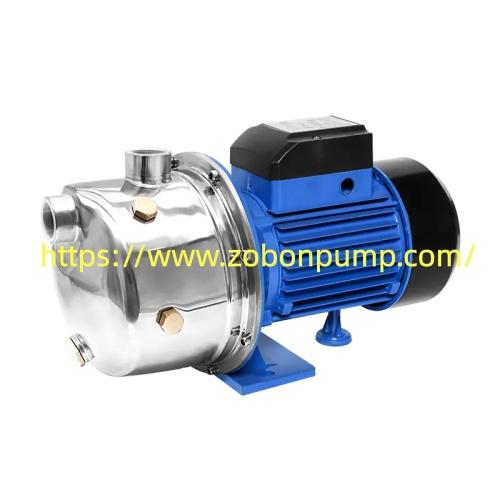

Agricultural Water Pump selection has become an important consideration for farms adapting to changing cultivation methods and irrigation practices. From small family farms to large commercial growing operations, managing irrigation efficiently requires more than simply installing a machine and connecting a pipeline. Farmers need to consider field conditions, crop requirements, available water sources, installation environments, and everyday operating habits. These details influence how an irrigation system is planned and how well its equipment fits the actual working conditions.
One interesting aspect of farm equipment selection is the relationship between material construction and the surrounding environment. Outdoor installations may face sunlight, humidity, dust, seasonal temperature changes, and exposure to different liquid conditions. These factors can influence the choice of casing materials, internal components, protective coatings, and sealing structures. For example, metal components may offer different characteristics from engineered materials, depending on the intended application. Buyers should consider corrosion resistance, abrasion exposure, and compatibility with the liquid being handled. Discussing these requirements with a manufacturer can help narrow down suitable product configurations.
Another issue that deserves attention is the difference between irrigation methods. Some farms rely on sprinkler arrangements to distribute moisture across open fields, while others use drip irrigation to deliver it closer to plant roots. Greenhouses may have different requirements from orchards, vegetable gardens, or grain cultivation areas. Each arrangement creates its own operating conditions. Before selecting equipment, farmers should understand how their existing distribution network works and whether the proposed product can integrate with its connections and operating requirements.
Have you ever considered how field layout influences equipment installation? Uneven ground, long pipelines, changes in elevation, and the distance between a source and growing areas can all affect system planning. A machine that fits one location may not suit another because the surrounding conditions are different. Installation teams should evaluate the available space, foundation, pipe routing, electrical connections, and accessibility before beginning the project. Early planning can help reduce installation difficulties and make future servicing more convenient.
Product structure is another subject that buyers sometimes overlook. The arrangement of the casing, motor, inlet, outlet, and connection points affects how a unit fits into an existing system. A practical design should allow installers to understand the connection layout and give technicians reasonable access to components that require inspection. For farms located far from maintenance facilities, convenient servicing can be particularly important. A clear equipment layout also helps operators become familiar with routine operating procedures.
Technology is gradually changing how farm irrigation systems are managed. Automatic controls, pressure monitoring, variable speed operation, and remote management functions are becoming relevant topics in discussions about modern farm equipment. Not every farm needs every available feature. A small greenhouse may have different control requirements from a large cultivation business with several irrigation zones. Buyers should identify which functions address genuine operating challenges instead of choosing equipment simply because it includes additional technology.
Energy management also deserves a place in the purchasing discussion. Electricity or fuel consumption can influence operating expenses throughout a growing season. However, the energy requirements of a system depend on several connected factors, including pipeline resistance, installation conditions, operating schedules, and equipment compatibility. Reviewing the complete arrangement can help farmers identify areas where unnecessary energy consumption may occur. Matching the machine to actual field conditions is therefore an important part of project preparation.
Seasonal changes create another challenge. Planting, growing, and harvesting periods may involve different irrigation schedules. Rainfall patterns can also influence how frequently equipment needs to operate. Some farms require regular distribution throughout the growing season, while others experience changing demand according to crop development and weather conditions. Understanding these patterns helps buyers discuss suitable operating arrangements with suppliers.
Maintenance is equally important when evaluating a purchase. Dust, sediment, loose connections, worn seals, and blocked intake components can affect equipment operation over time. Regular inspection allows operators to identify developing problems and arrange servicing before minor issues become more disruptive. It is useful to ask suppliers about inspection procedures, replacement components, maintenance documentation, and technical assistance. These details can make long term equipment management easier to organize.
Appearance and installation flexibility can also influence the purchasing experience. Farmers may prefer a compact structure when working space is limited, while larger installations may require a different mounting arrangement. Clear connection positioning and an organized exterior can make equipment easier to incorporate into an existing facility. For distributors and agricultural contractors, product presentation and accessible technical documentation are also useful when introducing equipment to different customers.
Choosing suitable equipment should begin with practical questions rather than assumptions. What crops are being cultivated? Where does the supply come from Does the site use sprinklers, drip lines, or another distribution arrangement? Are there seasonal changes in operating demand? What materials are appropriate for the local conditions? How will technicians inspect and service the installation? Answering these questions gives buyers a clearer starting point when comparing available products.
As farming practices continue to change, equipment suppliers have an important role in helping customers evaluate different project requirements. Caifu provides product options for buyers, distributors, and contractors seeking equipment for farm irrigation and related applications. By discussing installation conditions, material preferences, operating needs, and product configurations, customers can make purchasing decisions based on their actual projects. Those interested in exploring the company and its available solutions can visit https://www.zobonpump.com/ to review product information and contact Caifu about potential cooperation.

