

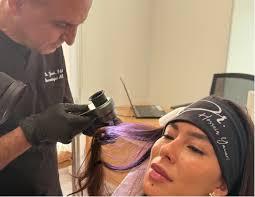

Hair loss does not affect everyone in the same way. Some people experience gradual thinning around the crown, while others notice a receding hairline, reduced hair density, or excessive shedding. Because these concerns have different underlying causes, a single treatment approach may not be suitable for every individual. PRP (Platelet-Rich Plasma) hair treatment offers a personalised approach that considers individual scalp conditions, hair loss patterns, and treatment goals.
A well-planned PRP hair treatment in Dubai programme begins with understanding the reasons behind hair changes. Specialists assess the scalp, review medical history, and determine whether platelet-rich plasma therapy is an appropriate option. This individualised planning helps establish realistic expectations and supports informed treatment decisions.
Understanding Individual Hair Loss Concerns
Before developing a PRP hair treatment plan, it is important to identify the type and pattern of hair loss.
Common concerns include:
-
Thinning hair: Reduced hair density that makes the scalp more visible.
-
Receding hairline: Gradual hair loss around the forehead and temples.
-
Crown thinning: Reduced hair coverage at the top or back of the scalp.
-
Excessive shedding: Increased hair fall that may be associated with stress, nutritional deficiencies, or hormonal changes.
-
Reduced hair thickness: Hair strands becoming finer and less noticeable over time.
Each concern requires careful evaluation because hair loss can have several causes. PRP may be considered for certain forms of hair thinning, particularly some cases of androgenetic alopecia, but it is not suitable for every type of hair loss.
How Specialists Assess Hair and Scalp Conditions
A personalised treatment plan starts with a detailed consultation. Specialists examine the scalp and hair to understand the nature and extent of the concern.
The assessment may include:
Hair Density Evaluation: Specialists examine the distribution of existing hair and identify areas where density has decreased.
Scalp Health Examination: The scalp is checked for irritation, inflammation, infection, or other conditions that could affect treatment suitability.
Medical History Review: Previous illnesses, medications, family history, lifestyle habits, and possible nutritional concerns may be discussed.
Hair Loss Pattern Identification: Understanding whether thinning occurs around the temples, crown, or throughout the scalp helps guide treatment planning.
In some cases, blood tests or additional investigations may be recommended to identify underlying causes of hair loss.
Adjusting PRP Treatment According to Hair Thinning Patterns
One of the important aspects of personalised PRP therapy is identifying which scalp areas need attention.
For example, someone experiencing crown thinning may require a different treatment approach from someone concerned about a receding hairline. Similarly, individuals with diffuse thinning may need a broader assessment of the scalp.
The specialist determines the areas that may benefit from treatment and plans the injection distribution accordingly. The number of sessions and intervals between appointments are also considered based on the individual's condition and response.
However, PRP cannot reliably restore hair in completely inactive or permanently damaged follicles. Understanding these limitations is important when discussing expected outcomes.
Considering Hair Follicle Health and Scalp Condition
Hair follicle health plays an important role in determining whether PRP treatment may be beneficial.
PRP is prepared using a sample of the patient's own blood. The blood is processed to concentrate platelets in plasma, which contains growth factors involved in normal tissue repair and biological signalling.
When injected into selected areas of the scalp, PRP is intended to support the local environment around hair follicles.
However, the response varies between individuals. Factors such as follicle condition, the cause of hair loss, overall health, and the stage of thinning may influence treatment outcomes.
If a patient has an active scalp infection or inflammatory condition, that issue may need to be addressed before PRP treatment is considered.
Personalising the Number of Sessions and Treatment Intervals
There is no universal PRP treatment schedule that works for everyone. Specialists consider the severity of hair thinning, individual goals, and clinical response when recommending a treatment programme.
Some patients may be advised to undergo an initial series of sessions, followed by maintenance appointments if appropriate. Others may require further evaluation before continuing.
During follow-up visits, specialists may review:
-
Changes in hair shedding.
-
Visible hair density and thickness.
-
Scalp condition and treatment tolerance.
-
Progress in the targeted areas.
-
Whether the existing treatment schedule needs adjustment.
Photographs taken under consistent conditions can also help compare changes over time. Patients should understand that visible improvements may take several months and are not guaranteed.
What Lifestyle and Medical Factors Should Be Considered?
A personalised PRP plan should not focus exclusively on injections. Overall health and lifestyle factors can also contribute to hair loss.
Nutritional deficiencies, hormonal changes, thyroid disorders, stress, certain medications, and genetic factors may influence hair growth.
For this reason, specialists may recommend addressing underlying concerns alongside PRP therapy. Adequate nutrition, balanced meals, proper sleep, and appropriate hair care can support general hair health.
Patients should also share information about medications and supplements before treatment. This allows the specialist to assess possible precautions and determine whether further medical evaluation is necessary.
Why Realistic Expectations Matter in PRP Hair Restoration
PRP treatment is not an instant solution for hair loss. Its effectiveness varies, and scientific evidence suggests potential benefits for certain forms of hair thinning, although research protocols and results differ.
Patients should understand that PRP may help improve hair density in some cases, but it cannot guarantee complete hair regrowth or prevent every cause of future hair loss.
A professional consultation should explain the expected benefits, possible side effects, limitations, and alternative treatment options. Mild tenderness, swelling, redness, or temporary discomfort may occur after scalp injections.
Personalised PRP Hair Treatment Planning at Tajmeels Clinic
At tajmeels clinic dubai, PRP hair treatment planning focuses on understanding individual hair concerns rather than following a standard approach for every patient. The consultation process considers hair thinning patterns, scalp condition, treatment suitability, and personal restoration goals. Based on the assessment, an appropriate treatment plan can be discussed, including recommended sessions and follow-up evaluations. This personalised approach helps patients understand their options, potential outcomes, and the importance of realistic expectations before proceeding with PRP hair treatment in Dubai.
Conclusion
Adjusting a PRP hair treatment plan according to individual concerns is important for making informed hair restoration decisions. Hair loss patterns, follicle condition, scalp health, medical history, and personal goals all contribute to treatment planning. A detailed assessment helps determine whether PRP is suitable and how the treatment may be structured. By combining professional evaluation with realistic expectations and appropriate follow-up care, individuals can make better decisions about managing hair thinning and supporting their long-term hair health.
More Information
Tajmeels Clinic Dubai
WhatsApp: +971 56 203 8751
Phone: tel:+971 43739000
Social Media:
