

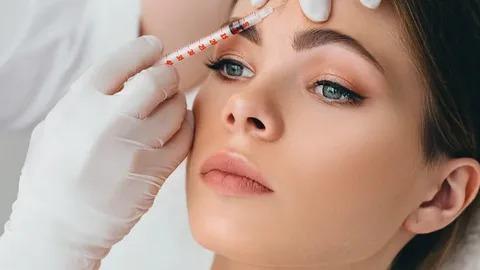
Botox in Islamabad: Is Treatment Different for Men With Thick Facial Muscles?

Men often have stronger facial muscles and more noticeable expression lines than women. This can influence how Botox treatment is planned, particularly around the forehead, eyebrows, and jawline. If you are considering Botox in Islamabad, you may wonder whether having thicker facial muscles means you need a different dosage, injection technique, or treatment approach.
The short answer is yes, treatment planning can differ. However, the goal is not simply to use more Botox for men. A qualified practitioner considers muscle strength, facial anatomy, skin condition, and the patient's desired appearance before recommending treatment.
Why Do Men Often Have Thicker Facial Muscles?
Facial muscle size and strength vary naturally between individuals. On average, men may have greater muscle mass in certain facial areas, partly influenced by hormonal factors, genetics, and individual anatomy.
For example, some men have stronger forehead muscles, more prominent frown muscles between the eyebrows, or larger masseter muscles along the jawline. These differences can influence how facial expressions appear and how strongly certain wrinkles develop.
Muscle thickness is one factor in treatment planning, but it does not determine the entire Botox requirement. Two men of similar age may still need different treatment approaches.
Does Botox Work Differently for Men?
Botox works through the same basic mechanism in men and women. It temporarily blocks specific nerve signals that activate targeted muscles, reducing their contraction and softening certain expression lines.
The biological action does not change based on gender. However, stronger muscles may require a different treatment plan to achieve the intended level of relaxation.
For instance, a man with pronounced forehead movement may need a different approach from someone with relatively mild expression lines. The treatment should be based on muscle activity and facial anatomy rather than gender alone.
Why Might Men Need Different Botox Dosages?
Botox dosage depends on several factors, including the size and strength of the targeted muscle, treatment area, previous response, and desired outcome. Since some men have larger or stronger facial muscles, they may require a different dose than someone with smaller muscles.
However, using a higher dose does not automatically produce better results. Excessive treatment can reduce natural facial movement and may create an appearance that does not match the patient's preferences.
A practitioner should assess the muscle during facial expressions before deciding on the amount of Botox. The correct dosage is individualised, not selected according to a standard male or female formula.
Which Facial Areas May Require Special Consideration?
Men commonly seek Botox for forehead lines, frown lines, crow's feet, and sometimes jawline-related concerns. Each area has different muscles and treatment considerations.
Forehead lines: Strong frontalis muscles may create prominent horizontal wrinkles. Treatment needs to preserve enough muscle activity to support natural eyebrow position.
Frown lines: The muscles between the eyebrows can be particularly active in some men, creating deep vertical lines. Careful treatment may soften these lines without unnecessarily affecting nearby muscles.
Crow's feet: These lines appear around the outer corners of the eyes when smiling or squinting. The injection plan should account for eye shape and natural expression.
Masseter muscles: These muscles help with chewing and can contribute to a wider-looking lower face. Botox may be considered for selected patients with masseter enlargement, but assessment is necessary because chewing strength can be affected.
Can Men Get Natural-Looking Botox Results?
Yes. Botox does not have to create a frozen or expressionless appearance. Many men prefer subtle improvements that soften prominent lines while maintaining their natural facial character.
A suitable treatment plan may focus on reducing excessive muscle activity rather than eliminating movement completely. This is especially important for men who want to maintain a defined brow, natural smile, and familiar facial expressions.
The amount of relaxation should reflect the patient's preferences and anatomy. Natural-looking results depend on balanced treatment, not maximum muscle relaxation.
What Factors Influence Botox Treatment in Men?
A consultation helps determine how the treatment should be customised. Muscle thickness is important, but other details also influence the final plan.
-
Muscle strength: Stronger muscles may respond differently and sometimes require adjusted dosing.
-
Facial anatomy: Brow position, forehead height, jaw structure, and natural asymmetry affect injection planning.
-
Skin condition: Existing wrinkles, skin quality, and sun exposure influence the overall appearance.
-
Treatment goals: Some men prefer subtle wrinkle reduction, while others may want more noticeable softening.
-
Previous Botox sessions: Earlier results and any side effects can help guide future treatment decisions.
A complete facial assessment is more useful than assuming every man needs a higher dose.
Does Botox Recovery Differ for Men?
The basic recovery process is generally similar for men and women. Most people can return to routine activities shortly after treatment, although mild redness, swelling, tenderness, or bruising may occur around injection sites.
Results do not appear immediately. Some changes may become noticeable within several days, with the full effect generally developing over about two weeks.
The effects commonly last around three to four months, although this varies according to the treatment area and individual response. Follow-up advice helps patients understand their results and decide whether future treatment is appropriate.
Are There Any Risks Men Should Know About?
Botox is a medical treatment and should not be considered risk-free. Temporary headaches, bruising, swelling, or discomfort may occur after injections.
Depending on the treatment area, possible complications include eyebrow or eyelid drooping, asymmetry, unwanted changes in facial expression, or temporary chewing weakness after masseter treatment. Rarely, more serious symptoms such as difficulty swallowing, speaking, or breathing can occur and require urgent medical attention.
Men with certain neuromuscular conditions, allergies, or relevant medication use may need additional assessment. Discussing medical history and possible side effects is an essential part of treatment planning.
What Should Men Expect During a Botox Consultation?
A consultation should begin with a discussion about the areas that concern you and the results you hope to achieve. The practitioner may ask you to raise your eyebrows, frown, smile, or clench your jaw to assess how different muscles behave.
Your medical history, previous cosmetic treatments, medications, and relevant health conditions should also be reviewed. Based on this assessment, the practitioner can explain suitable injection areas, possible dosage considerations, expected results, and limitations.
If you are researching Botox in Islamabad, choose a qualified medical professional who understands male facial anatomy and can develop an individualised treatment plan. Avoid clinics that promise identical results or recommend a fixed dose without examining your facial muscles.
Final Thoughts
Botox treatment for men with thick facial muscles may require adjustments in dosage and injection placement, but the approach should always be personalised. Stronger muscles do not automatically mean that more Botox is necessary. Careful assessment helps balance wrinkle reduction with natural facial movement and function.
Dynamic Aesthetic Clinic offers personalised aesthetic care with experienced medical professionals, board-certified surgeons, and advanced injection techniques. Men considering Botox in Islamabad can consult the team to discuss their facial anatomy, treatment goals, and suitable options.
