

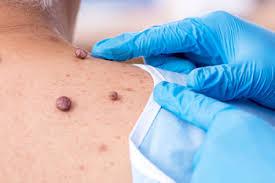

Mole Removal in Dubai are common skin growths that can appear anywhere on the body. While most moles are harmless, some may develop changes that require professional medical attention. A mole's size, colour, shape, texture, and development over time can provide important information about its condition. This is why a professional skin assessment is an important step before deciding whether a mole should be monitored, examined further, or removed.
Clinics use a combination of visual assessment, medical history, and specialised examination techniques to evaluate moles. Understanding how this process works can help patients recognise the importance of early evaluation and make informed decisions about their skin health.
Why Do Some Moles Need Further Examination?
Not every mole requires treatment or removal. Many remain unchanged throughout a person's life without causing any problems. However, certain changes may indicate that a mole needs closer attention.
A clinic may recommend further examination when a mole:
-
Changes in size, shape, or colour.
-
Develops irregular or uneven borders.
-
Has multiple shades or unusual pigmentation.
-
Starts bleeding, crusting, or becoming painful.
-
Develops persistent itching or irritation.
-
Looks noticeably different from other moles on the body.
These characteristics do not automatically mean that a mole is cancerous. However, they can indicate the need for a more detailed medical assessment.
The ABCDE Rule Used During Mole Assessment
One recognised approach to evaluating potentially concerning moles is the ABCDE rule. It helps healthcare professionals and patients identify visible changes that may require further investigation.
A – Asymmetry: One half of the mole looks different from the other half.
B – Border: The edges appear irregular, blurred, uneven, or poorly defined.
C – Colour: The mole contains different colours or uneven pigmentation rather than a consistent shade.
D – Diameter: The mole is larger than approximately 6 mm, although melanomas can also be smaller.
E – Evolving: The mole changes in appearance, size, shape, colour, or sensation over time.
The evolving characteristic is particularly important because changes in an existing mole should not be ignored. A professional assessment helps determine whether these features require additional investigation.
How Does a Clinic Examine a Mole?
A professional mole assessment usually involves several steps. The exact approach depends on the mole's appearance, location, history, and any symptoms reported by the patient.
1. Reviewing the Patient's Skin History
The assessment often begins with questions about when the mole first appeared and whether it has changed recently. Healthcare professionals may also ask about previous skin conditions, family history of skin cancer, sun exposure, and any previous mole treatments.
This information helps establish whether the mole has remained stable or developed noticeable changes.
2. Checking Size, Shape, and Colour
The healthcare professional examines the mole's visible characteristics, including its diameter, borders, pigmentation, and overall appearance.
They may compare it with other moles on the patient's body. A mole that looks significantly different from a person's other moles may deserve closer attention.
3. Using Dermoscopy for a Closer Look
Dermoscopy is a non-invasive examination technique that uses a specialised magnifying instrument with lighting to view structures within the skin.
It allows trained professionals to examine pigmentation patterns and other features that may not be visible to the naked eye.
Dermoscopy can help determine whether a mole appears reassuring or has characteristics that require additional investigation. However, it cannot independently confirm or exclude skin cancer.
4. Recommending Further Diagnostic Testing
If a mole appears suspicious, the healthcare professional may recommend a biopsy. This involves removing a suitable tissue sample or the entire lesion, depending on the clinical findings.
The sample is sent to a laboratory for histopathological examination, where a pathologist studies the tissue under a microscope.
A biopsy is important because it can establish whether abnormal cells are present and help determine the appropriate next steps.
Does the Location of a Mole Affect Its Examination?
Yes. Mole location can influence how it is assessed and whether additional attention is required.
Moles may develop on the face, scalp, neck, back, arms, legs, and other body areas. Some locations are more difficult for individuals to monitor, particularly the scalp, back, and areas covered by clothing.
A healthcare professional may pay particular attention to moles in areas exposed to frequent sunlight or those that experience repeated friction from clothing, accessories, or shaving.
However, a mole should not be considered harmless or dangerous based on its location alone. Its overall appearance, history, and clinical features are more important.
Why Should You Avoid Removing a Mole Before Assessment?
Some people consider removing moles for cosmetic reasons, particularly when they appear on visible areas such as the face or neck. However, removing a mole without first establishing whether it needs medical investigation can create unnecessary risks.
If a mole has suspicious characteristics, it should be appropriately evaluated before cosmetic removal. The correct diagnostic approach ensures that potentially concerning tissue can be examined and that important findings are not overlooked.
Home removal methods, including cutting, burning, or applying unverified chemical products, should also be avoided. These approaches can cause infection, scarring, and delays in diagnosis.
When Should You Schedule a Professional Mole Assessment?
You should arrange a professional assessment if you notice a new or changing mole, particularly if it develops irregular borders, unusual pigmentation, bleeding, or persistent itching.
People with numerous moles, a personal or family history of skin cancer, or significant previous sun exposure may also benefit from discussing appropriate skin monitoring with a healthcare professional.
It is important not to wait for a mole to become painful before seeking advice. Early assessment can help identify concerns and determine whether monitoring, biopsy, or another treatment approach is appropriate.
How Tajmeels Clinic Approaches Mole Assessment in Dubai
At tajmeels clinic dubai, mole-related concerns can be approached through individual skin evaluation and professional consultation. Understanding the mole's appearance, location, medical history, and any recent changes helps guide the next steps. Patients can discuss their cosmetic concerns while receiving guidance on whether further medical examination is necessary. Where a mole appears suspicious, appropriate diagnostic assessment and referral for further investigation should take priority over cosmetic removal. This individualised approach supports informed decisions and places skin health at the centre of treatment planning.
What Should You Remember About Mole Examination?
A mole's appearance can provide useful information, but visual assessment alone cannot always establish whether it is harmless. Changes in colour, size, shape, borders, or sensation deserve professional attention. Clinics use medical history, physical examination, dermoscopy, and, when necessary, biopsy to determine whether further investigation is required.
Seeking professional advice before choosing a mole removal procedure is an important part of responsible skin care. It helps ensure that the treatment decision is based on medical findings rather than appearance alone.
More Information
Tajmeels Clinic Dubai
WhatsApp: +971 56 203 8751
Phone: tel:+971 43739000
Social Media:

