

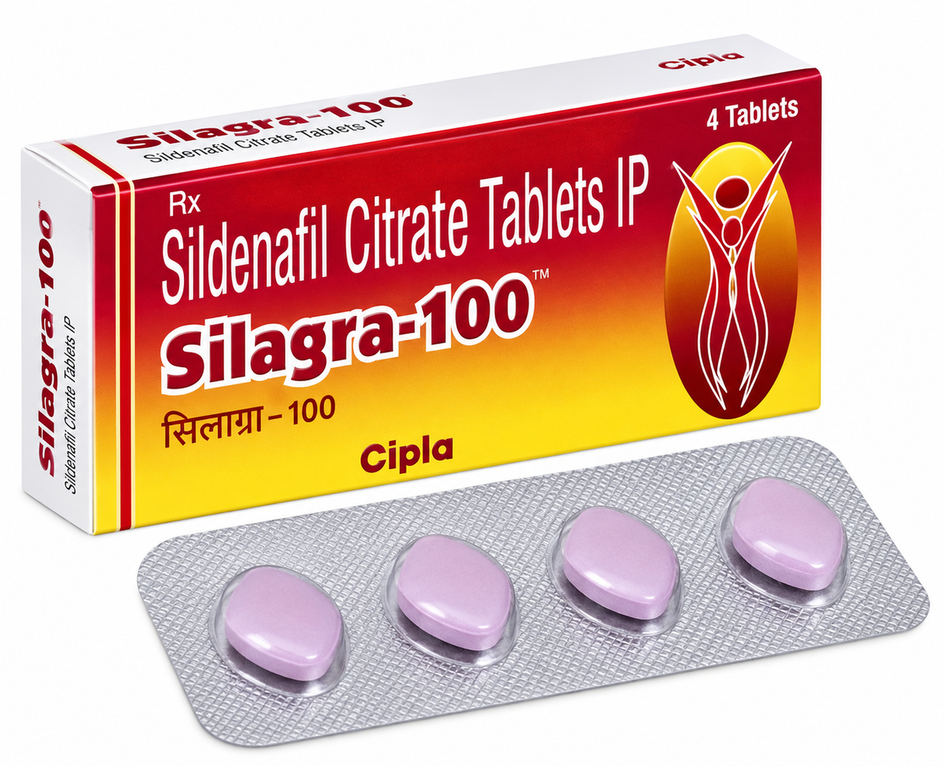

Exploring Silagra and Its Medical Purpose
Silagra is a sildenafil citrate-based medicine prescribed for adult men dealing with erectile dysfunction (ED). This condition can affect normal sexual activity by making it difficult to achieve or maintain an erection. Erectile difficulties may develop due to circulation problems, diabetes, cardiovascular conditions, stress, or other health-related factors. Silagra is designed to support the body's natural erection mechanism by improving blood flow in specific tissues. Its use should always be based on professional medical advice.
Understanding Its Active Composition
Sildenafil citrate is the primary ingredient responsible for the medicinal action of Silagra. It belongs to a pharmaceutical category known as phosphodiesterase type 5 inhibitors. This ingredient works on specific biological processes involved in blood vessel relaxation. It does not directly stimulate sexual desire, increase testosterone, or treat infertility. Its primary role is to support erectile function in men diagnosed with erectile dysfunction.
The Biological Process Behind Its Action
During sexual stimulation, the body releases nitric oxide, which helps produce a natural chemical called cyclic GMP. This chemical relaxes smooth muscles and allows blood vessels in the penile region to expand. Sildenafil blocks the PDE5 enzyme, slowing the breakdown of cyclic GMP. This helps maintain improved blood circulation and supports the natural erection response. Sexual stimulation remains necessary for the medication to work.
Situations Where Silagra May Be Prescribed
Doctors may recommend Silagra to adult men who experience persistent erectile difficulties. Before suggesting treatment, they generally consider the patient's medical history, existing health conditions, and other medications. Identifying the underlying cause is important because erectile dysfunction can sometimes indicate an associated health problem.
Important Product Highlights
-
Active ingredient: Sildenafil citrate.
-
Medication category: PDE5 inhibitor.
-
Medical purpose: Management of erectile dysfunction.
-
Intended users: Adult men with an appropriate medical indication.
-
Main action: Supports blood circulation in penile tissues.
What to Consider Before Taking Silagra
The medicine should only be used according to a doctor's prescription. The appropriate strength and frequency depend on individual health requirements. Taking additional tablets or combining different erectile dysfunction medicines without approval can increase health risks. Patients should discuss their existing treatments and medical conditions before starting sildenafil.
Possible Unwanted Effects
Some individuals may experience headache, facial flushing, dizziness, nasal congestion, indigestion, or temporary visual disturbances. Serious reactions, including chest pain, sudden hearing or vision loss, severe allergic symptoms, or an erection lasting longer than four hours, require immediate medical attention.
Essential Safety Information
Silagra must never be combined with nitrate medicines or riociguat because these combinations can cause a dangerous fall in blood pressure. People with Silagra heart disease, low blood pressure, or significant liver and kidney problems should consult a healthcare professional before use. Avoid excessive alcohol and inform your doctor about all medicines you take.
Frequently Asked Questions
1. What is Silagra commonly prescribed for?
It is prescribed to manage erectile dysfunction in adult men.
2. Does it work without sexual stimulation?
No. Sexual stimulation is necessary for its intended effect.
3. Can Silagra increase libido?
No. It supports erectile function but does not directly increase sexual desire.
4. Is professional advice necessary?
Yes. Medical evaluation helps determine whether sildenafil is suitable.
Conclusion
Silagra is a sildenafil-based medicine that helps manage erectile dysfunction by supporting the body's natural blood circulation process. Its suitability depends on individual health conditions, existing medications, and medical requirements. Understanding its purpose, possible reactions, and safety restrictions is important before beginning treatment. Always follow a healthcare professional's instructions and avoid self-medication.
