

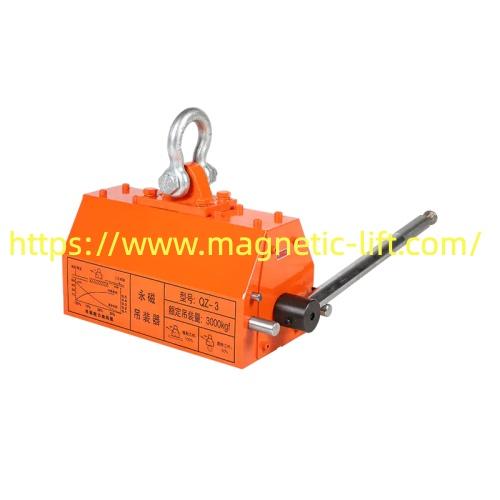

Magnetic clamping technology has become an interesting subject in modern metalworking because manufacturers continually look for practical ways to organize workpiece positioning and machining operations. Dense Permanent Magnetic Chuck is a product concept associated with magnetic holding solutions, where structural design, magnetic force distribution, and operating convenience all deserve attention. Choosing suitable equipment involves more than considering its basic function. Material characteristics, machining requirements, workpiece shapes, and everyday operating habits can all influence the selection process.
One important consideration is the material used in the construction of industrial magnetic fixtures. Different components contribute to structural stability, magnetic performance, and long-term usability. The outer body needs to accommodate workshop conditions, while internal magnetic elements are arranged to support the intended holding function. Manufacturing quality also matters because consistent assembly can influence how the equipment performs during repeated operations.
Buyers should pay attention to construction details rather than making decisions based solely on appearance. Surface finishing, component alignment, protective treatment, and the overall condition of the working area are worth examining. These details can provide useful information about how a fixture is designed for regular industrial use. A carefully considered structure also makes routine inspection and maintenance easier to incorporate into workshop management.
The operating principle behind magnetic clamping is another subject that attracts attention. Instead of relying entirely on conventional mechanical fastening, magnetic fixtures use magnetic fields to hold compatible ferromagnetic workpieces. This approach can reduce the need for certain physical clamping accessories, depending on the machining task and equipment configuration.
Workpiece accessibility is an important part of this process. Traditional clamping arrangements may occupy areas around the material, potentially affecting tool access or requiring additional positioning adjustments. Magnetic holding systems offer another approach to arranging the workpiece, allowing operators to consider different machining positions within the equipment operating guidelines. However, the suitability of any fixture depends on material properties, contact conditions, workpiece geometry, and machining forces.
For manufacturers, choosing suitable equipment starts with understanding actual production requirements. The size and shape of the materials, machining methods, surface conditions, and expected working environment should all be considered. Flat workpieces and irregular components may require different holding arrangements. Buyers should also check whether the intended material is compatible with magnetic clamping technology before making a purchasing decision.
Daily user experience deserves equal attention. Workshop operators often value equipment that fits naturally into existing production routines. Straightforward operating procedures, accessible working surfaces, and convenient handling arrangements can make equipment easier to incorporate into different tasks. Clear operating instructions are also important because operators need to understand activation procedures, release methods, and appropriate safety practices.
Maintenance is another consideration that should not be overlooked. Regular cleaning helps prevent metal chips, dust, and other workshop debris from interfering with the contact surface. Operators should inspect the equipment for visible damage and follow the manufacturer's maintenance recommendations. Proper storage and careful handling can also contribute to consistent service conditions. These habits are particularly relevant in production environments where equipment is used repeatedly.
Design is not simply about the external appearance of industrial machinery. A practical layout can influence installation, workpiece placement, cleaning, and general workshop organization. Manufacturers may consider how the fixture integrates with existing machine tables, workholding arrangements, and production processes. A suitable design should address functional requirements while allowing operators to work within established safety procedures.
There is also growing interest in production flexibility. Different manufacturing orders may involve different materials, shapes, and machining processes. Equipment selection should therefore reflect the range of workpieces a facility expects to handle. Rather than choosing a fixture based on a single application, purchasing teams can evaluate its compatibility with their broader production plans. Communication between operators, engineers, and equipment suppliers can help clarify these requirements before an order is placed.
Another useful consideration is technical support. Product documentation, installation guidance, maintenance information, and communication with the manufacturer can all influence the purchasing experience. Buyers may wish to discuss their workpiece materials, machining applications, and operating conditions with a supplier before confirming a suitable configuration. This exchange helps both parties establish clearer expectations and reduces uncertainty during equipment selection.
As an industrial equipment manufacturer, Kaixin focuses on magnetic lifting and workholding product solutions for different application requirements. Product selection should always be connected with actual operating conditions, material compatibility, and workshop safety practices. Manufacturers and purchasing teams interested in reviewing available product options can visit https://www.magnetic-lift.com/product/ to examine the product range and consider which magnetic equipment may fit their production needs. A clear understanding of application requirements can make communication with suppliers more productive and support more informed equipment decisions.
