

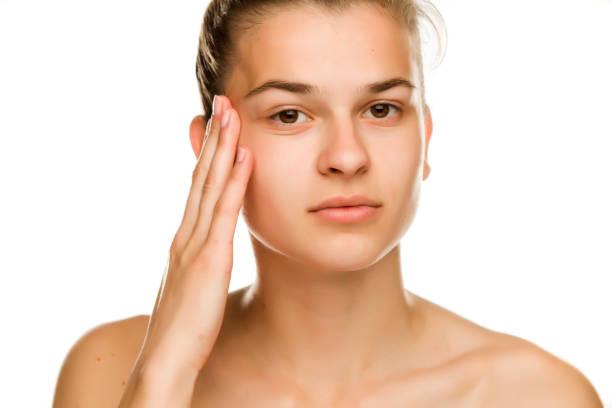

Dark patches can develop when certain areas of the skin produce or retain more pigment than the surrounding complexion. This uneven distribution may create brown, grey, or darker marks on the face and other exposed areas. Sun exposure, hormonal changes, inflammation, acne marks, ageing, and certain skin conditions can all contribute to changes in skin tone. Understanding the underlying cause is important before choosing a suitable correction method.
For people concerned about uneven complexion, Pigmentation treatment in Riyadh (علاج التصبغات في الرياض) offers different professional approaches that may help improve the appearance of discoloration. The right option depends on the depth, type, location, and cause of the pigmentation. A professional assessment helps distinguish between superficial dark marks and deeper pigmentation, allowing a treatment plan to be selected according to individual skin characteristics.
Why Professional Skin Correction Matters
Dark patches do not all respond to the same treatment. Some develop after acne or irritation, while others are associated with prolonged sunlight exposure or hormonal influences. Using unsuitable skincare products or aggressive home remedies may irritate the skin and sometimes make discoloration more noticeable. Professional skin correction focuses on identifying the likely cause and selecting an appropriate approach rather than treating every dark mark in the same way.
A qualified practitioner can examine the affected areas, review skincare habits, and consider factors such as skin sensitivity and previous treatments. This assessment helps determine whether topical care, an in-clinic procedure, or a combination of approaches may be appropriate. It also helps establish realistic expectations because pigmentation can take time to improve and may return when contributing factors remain.
Common Professional Methods for Reducing Dark Patches
Topical Skin-Correcting Treatments
Certain professionally recommended skincare ingredients can help improve uneven pigmentation over time. Depending on the individual's skin and the type of discoloration, a practitioner may recommend ingredients that support skin renewal or help regulate excess pigment production. These products need to be used consistently and according to professional guidance to reduce the risk of irritation.
Chemical Peels
Chemical peels use carefully selected solutions to encourage the removal of damaged surface cells and support skin renewal. They may be considered for some forms of superficial discoloration, including certain post-acne marks. The strength and type of peel should be selected according to skin condition and sensitivity because excessive irritation can worsen pigmentation in some individuals.
Laser-Based Skin Correction
Some laser technologies target pigment within the skin and may be considered for specific types of dark spots. Treatment suitability depends on the pigment's depth, the individual's skin tone, and the underlying cause. A professional assessment is essential because not every pigmentation concern is suitable for laser treatment, and temporary redness or changes in pigmentation can occur.
Microneedling and Combination Approaches
Microneedling may be considered in selected cases where uneven texture and certain pigmentation concerns occur together. It creates controlled micro-injuries that stimulate the skin's natural repair process. Sometimes practitioners combine different approaches, but treatments should be planned carefully to avoid unnecessary irritation and allow adequate recovery between sessions.
How Skin Correction Helps Improve Complexion
Professional skin correction aims to make visible discoloration less noticeable while supporting a more balanced-looking complexion. Depending on the chosen method, treatment may encourage surface renewal, address selected pigment deposits, or improve the appearance of marks left after inflammation. Progress is generally gradual rather than immediate, and multiple sessions may be needed for certain concerns.
Pigmentation treatment in Riyadh should be selected according to the individual's skin condition instead of relying on a single method for every type of dark patch. The practitioner may recommend a gradual treatment plan that combines suitable in-clinic procedures with a consistent home-care routine. Monitoring the skin between sessions also helps determine whether the approach needs adjustment.
The Importance of Sun Protection After Treatment
Sun exposure can contribute to the development and recurrence of pigmentation. Even after professional correction, ultraviolet exposure may cause existing dark marks to become more noticeable or encourage new discoloration. Daily broad-spectrum sunscreen, protective clothing, and avoiding unnecessary direct sun exposure can help protect the skin.
A suitable skincare routine should also avoid excessive exfoliation and harsh products, particularly while the skin is recovering from a procedure. Following aftercare instructions is important because irritation can interfere with the healing process and may contribute to further discoloration.
Who May Benefit from Professional Skin Correction?
People with certain types of sun spots, post-acne marks, or uneven skin tone may benefit from a professional assessment. However, treatment suitability varies. Some pigmentation patterns are associated with hormonal changes, medication use, inflammation, or underlying skin conditions and may require a different management approach.
Any new, rapidly changing, irregular, or unusual dark spot should be medically assessed before cosmetic treatment is considered. A proper diagnosis helps ensure that a concerning skin lesion is not mistaken for a cosmetic pigmentation issue.
Book a Skin Consultation at Royal Clinic Saudi
If visible dark patches are affecting your confidence, a professional consultation can help you understand the possible cause and available correction options. At Royal Clinic Saudi (عيادات رويال كلينك), an assessment can help determine which approach may be suitable for your skin type, pigmentation pattern, and individual goals. A personalised plan can also include guidance on skincare and sun protection to support the treatment process.
FAQs:
1. What causes visible dark patches on the skin?
Sun exposure, hormonal changes, acne marks, inflammation, and ageing can contribute to pigmentation.
2. Can professional skin correction remove dark patches?
It may reduce their appearance, depending on the cause and type of pigmentation.
3. How many sessions may be needed?
The number varies according to the treatment method and individual skin response.
4. Can dark patches return after treatment?
Yes, pigmentation may recur, particularly without consistent sun protection and suitable skincare.
