

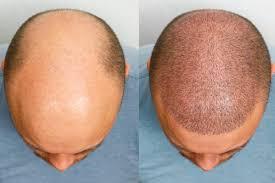

Hair transplant surgery is a popular option for people experiencing hair thinning, receding hairlines, and pattern baldness. However, achieving natural-looking results depends on several factors, including hair characteristics, scalp condition, graft distribution, and donor hair density. Before planning a Hair Transplant in Dubai, understanding the quality and availability of donor hair is essential.
Donor hair density plays an important role in determining how many grafts can be safely extracted and how much coverage can be achieved in areas affected by hair loss. A detailed assessment helps establish realistic expectations and supports a treatment plan based on individual needs.
What Is Donor Hair Density in Hair Transplant Surgery?
Donor hair density refers to the number of hair follicles present within a specific area of the scalp, usually measured per square centimetre. The back and sides of the head are commonly considered donor areas because these regions are often less affected by androgenetic hair loss.
During a hair transplant, healthy follicles are carefully extracted from the donor area and implanted into thinning or bald sections. The availability of these follicles influences the number of grafts that can be harvested without creating noticeable thinning in the donor region.
Higher donor density may provide more flexibility when planning hair restoration. However, density alone does not determine whether someone is a suitable candidate. Hair thickness, follicle characteristics, scalp health, and the stability of hair loss also matter.
How Does Donor Hair Density Influence Graft Availability?
Graft availability is one of the most important considerations during hair transplant planning. A graft may contain one, two, three, or sometimes more hair follicles.
Patients with higher donor density may have a larger supply of available follicles. This can provide greater flexibility when distributing grafts across the frontal hairline, mid-scalp, and crown.
On the other hand, patients with lower donor density may have fewer follicles available for extraction. In these situations, careful planning becomes especially important to avoid excessive harvesting.
A qualified hair restoration professional evaluates the donor area to determine:
-
The number of available follicular units.
-
The distribution of hair across the donor region.
-
The thickness and quality of individual hair strands.
-
The safe number of grafts that can be extracted.
-
The potential for visible thinning after extraction.
This assessment helps establish a realistic treatment approach rather than focusing only on the number of grafts a patient wants.
Does Hair Thickness Matter Alongside Donor Density?
Yes. Hair thickness can significantly influence the visual appearance of transplant results.
People with thicker hair strands may achieve the appearance of greater coverage with fewer grafts compared with individuals who have very fine hair. This is because thicker strands generally provide more visual volume and scalp coverage.
Hair texture and curl patterns can also influence the final appearance. Curly or wavy hair may create an impression of greater density because the strands occupy more visual space.
For this reason, two patients with similar donor hair density may achieve different cosmetic results. A comprehensive evaluation should consider both follicle numbers and the characteristics of the hair itself.
Can Low Donor Hair Density Affect Hair Transplant Results?
Low donor density does not automatically mean that a person cannot undergo hair transplant surgery. However, it may limit the number of grafts that can be safely harvested.
When donor hair is limited, surgeons may need to prioritise the areas where transplantation can create the most noticeable improvement. For example, restoring the frontal hairline may be considered before distributing a limited number of grafts across the entire scalp.
Patients with low donor density may also require more conservative expectations regarding overall coverage.
Attempting to extract too many follicles can create visible gaps, uneven density, or a patchy appearance in the donor region. Therefore, protecting the donor area is just as important as improving the recipient area.
The Role of Donor Density in FUE Hair Transplantation
Follicular Unit Extraction (FUE) is a commonly used hair transplant technique in which individual follicular units are removed from the donor area and implanted into areas experiencing hair loss.
Donor density is particularly important during FUE because follicles are extracted individually across the donor region.
A carefully planned extraction pattern helps maintain an even appearance and reduces the risk of overharvesting. The extraction process must also account for the natural distribution of follicles and the possibility of future hair loss.
Although FUE allows targeted follicle extraction, it does not increase the total number of available donor hairs. The procedure redistributes existing follicles rather than creating new ones.
Why Is Donor Area Assessment Important Before Surgery?
A detailed donor area assessment helps identify whether the available follicles can support the patient's restoration goals.
The evaluation may include scalp examination, hair density measurements, hair shaft thickness, and assessment of miniaturisation. In some cases, additional diagnostic tools may be used to understand the donor area's characteristics more accurately.
It is also important to evaluate the patient's pattern of hair loss. Someone experiencing progressive hair thinning may require a different long-term strategy from someone whose hair loss pattern is relatively stable.
A proper assessment helps reduce the risk of unrealistic expectations and supports responsible graft distribution.
How Tajmeels Clinic Approaches Donor Hair Assessment
At tajmeels clinic dubai, hair transplant planning focuses on understanding individual hair characteristics, donor area availability, and personal restoration goals. Evaluating donor hair density helps determine the potential number of grafts, suitable extraction areas, and appropriate coverage strategy. The assessment also considers hair thickness, scalp condition, and existing hair loss patterns. This personalised approach helps patients understand their treatment options and develop realistic expectations before considering hair transplant surgery in Dubai.
Can Donor Hair Density Affect Long-Term Hair Transplant Results?
Yes. Donor hair density can influence both immediate coverage and future hair restoration options.
A limited donor supply may make it more difficult to address additional hair loss in the future. This is particularly relevant for younger patients or individuals with progressive pattern baldness.
Responsible planning considers the possibility that surrounding natural hair may continue thinning even after transplantation. A long-term approach helps preserve donor resources and reduces the likelihood of needing excessive corrective procedures.
Patients should also understand that transplanted hair requires proper post-operative care. Following medical instructions, attending follow-up appointments, and discussing unexpected changes with the treating professional can support recovery.
Final Considerations
Donor hair density is an important factor in determining hair transplant suitability, graft availability, and potential coverage. However, successful hair restoration depends on more than simply having a high number of follicles. Hair thickness, scalp health, extraction planning, and future hair loss patterns all contribute to the overall outcome.
A professional donor area assessment helps identify suitable treatment options while protecting the remaining hair supply. For individuals considering a hair transplant in Dubai, personalised planning is an important step towards achieving balanced, natural-looking, and realistic results.
More Information
Tajmeels Clinic Dubai
WhatsApp: +971 56 203 8751
Phone: tel:+971 43739000
Social Media:
