

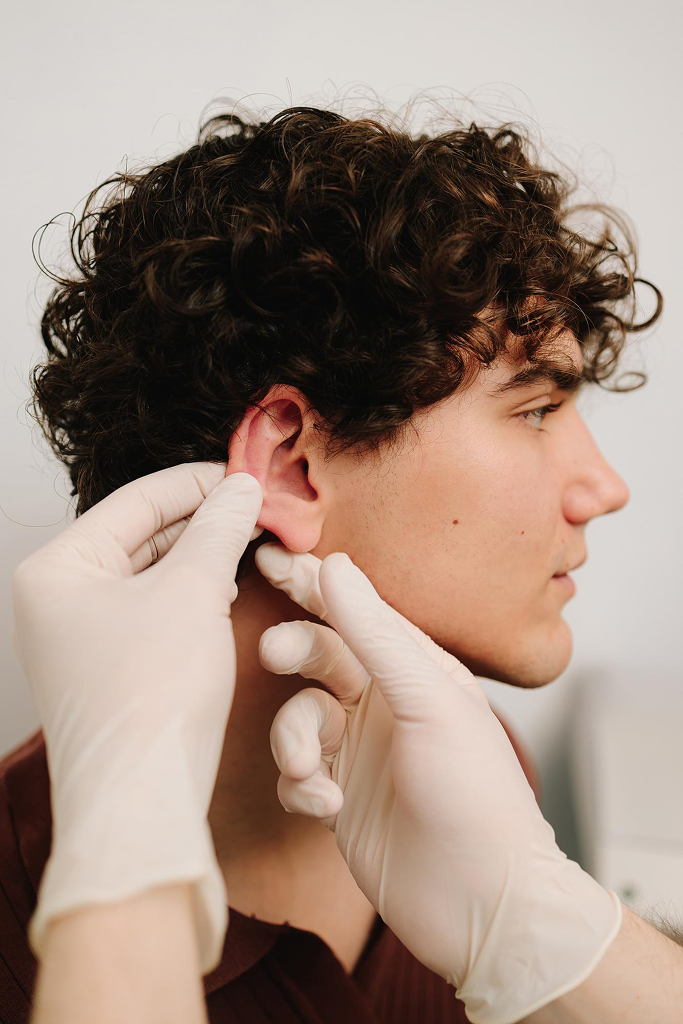

Cosmetic ear surgery, also known as otoplasty, is designed to improve the position, shape, or proportion of the ears. Adults who feel uncomfortable with prominent, uneven, or unusually shaped ears may consider Ear Surgery in Dubai at Dynamic Life Clinic. An ideal candidate usually has a specific concern about ear appearance, good general health, and realistic expectations about the outcome. A consultation with a qualified surgeon helps determine whether the procedure is appropriate for the individual's ear structure and personal goals.
Adults With Prominent or Protruding Ears
Adults whose ears project noticeably away from the head may be suitable candidates for cosmetic ear surgery. Prominent ears can make the ears appear more noticeable in relation to the face, particularly when the hair is short or tied back. Otoplasty can adjust the angle and position of the ears by reshaping and securing the cartilage. The aim is to create a more balanced appearance without making the ears look unnaturally close to the head.
Individuals With Uneven Ear Shapes
Some people have differences in the size, position, or contour of their ears. Although minor asymmetry is natural, more noticeable differences may become a cosmetic concern. Adults who want to improve uneven ear positioning or selected cartilage irregularities may benefit from an assessment for otoplasty. The surgeon examines both ears and plans adjustments according to their individual structures rather than assuming that identical changes are needed on each side.
People With Fully Developed Ear Cartilage
Cosmetic ear surgery is commonly performed after the ears have reached their adult size and development. This allows the surgeon to evaluate the established cartilage structure and plan suitable corrections. Adults generally have fully developed ears, making them appropriate for assessment when they have other necessary health and suitability factors. The procedure can address long-standing concerns as well as certain appearance changes that become more noticeable later in life.
Adults in Good General Health
Good overall health is an important consideration before any elective surgical procedure. Suitable candidates should be able to undergo the recommended anaesthesia and follow postoperative instructions. During consultation, the surgeon may review medical conditions, allergies, current medications, previous operations, and any history of healing problems. Certain health conditions or medications may increase surgical risks, so patients should provide complete and accurate medical information before treatment is planned.
Individuals With Realistic Expectations
An ideal candidate understands that otoplasty can improve ear position and shape but cannot guarantee perfect symmetry. Natural differences between the ears may remain after surgery because cartilage structure and healing vary. Patients should have clear, achievable goals and understand the limitations of the procedure. Surgery is generally more appropriate when the decision is based on personal preferences rather than pressure from family members, friends, or social expectations.
People Concerned About Specific Ear Irregularities
Cosmetic ear surgery may be considered by adults with particular structural concerns, including:
-
Prominent ears: Ears that extend noticeably away from the head.
-
Uneven positioning: Differences in the angle or placement of the ears.
-
Unusual cartilage folds: Underdeveloped or irregular folds affecting the ear contour.
-
Asymmetrical appearance: Noticeable differences between the two ears.
-
Selected shape concerns: Structural irregularities that can be improved through cartilage reshaping.
The suitability of each concern depends on its cause and severity. Some conditions may require reconstructive techniques rather than standard cosmetic otoplasty.
Adults Who Can Follow Recovery Instructions
Recovery is an important part of achieving a satisfactory surgical outcome. Suitable candidates should be able to protect their ears during healing, attend follow-up appointments, and follow the surgeon's advice about activity restrictions. A protective dressing or headband may be recommended for a specific period. Patients should also be prepared for temporary swelling, bruising, tenderness, and discomfort after the operation.
Checkpoint: Important Considerations Before Cosmetic Ear Surgery
Before deciding on otoplasty, patients should understand the procedure and discuss their individual circumstances with a qualified surgeon. Important considerations include:
-
Medical suitability: Existing health conditions and medications should be reviewed before surgery.
-
Ear structure: Cartilage shape, thickness, and flexibility influence the surgical approach.
-
Personal goals: Patients should explain which aspects of their ear appearance they want to improve.
-
Scar expectations: Incisions are often placed behind the ears, but scars may still develop.
-
Possible complications: Risks include infection, bleeding, asymmetry, altered sensation, visible scarring, and dissatisfaction.
-
Recovery arrangements: Patients should plan time for healing and avoid activities that may put pressure on the ears.
Who May Not Be Suitable for Otoplasty
Not everyone who wants to change their ear appearance is automatically a suitable candidate. People with certain uncontrolled medical conditions, active infections, or health concerns that increase surgical or anaesthetic risks may need further assessment before proceeding. Patients who expect perfect symmetry or a result that cannot realistically be achieved may also need additional counselling. A surgeon can explain whether treatment should be delayed, modified, or avoided.
Personalised Ear Surgery Assessment at Dynamic Life Clinic
At Dynamic Life Clinic, individuals can discuss their concerns about ear shape, projection, and symmetry during a personalised consultation. The surgeon can examine the cartilage structure, assess facial proportions, review medical history, and explain suitable surgical options. Patients can also learn about the expected recovery process, potential risks, and realistic results. This assessment helps establish whether cosmetic ear surgery is appropriate and supports an informed treatment decision.
Frequently Asked Questions
Understanding candidacy can help adults decide whether otoplasty is worth considering. The following answers explain some common questions about suitability and treatment planning.
Can Adults Have Cosmetic Ear Surgery at Any Age?
Adults may be suitable for otoplasty at different ages if their health and ear structure allow surgery. Age alone does not determine eligibility, although medical fitness and individual expectations are important.
Is Otoplasty Suitable for People With One Prominent Ear?
Yes, surgery may be performed on one ear when the concern is limited to one side. The surgeon assesses both ears to plan an adjustment that improves overall balance.
Can People With Asymmetrical Ears Benefit From Surgery?
Adults with noticeable differences in ear position or shape may be suitable candidates. However, natural asymmetry may remain because both ears have individual cartilage structures.
Do Candidates Need Good Skin Elasticity for Ear Surgery?
Skin elasticity is not usually the main factor in standard otoplasty because the procedure primarily reshapes cartilage. However, skin condition and healing ability are still considered during the medical assessment.
Is Cosmetic Ear Surgery Suitable for People With Previous Ear Surgery?
Some adults may be candidates for revision otoplasty if they have concerns about a previous result. Revision procedures can be more complex because of scar tissue and altered cartilage, so specialist assessment is important.
Conclusion
An ideal candidate for cosmetic ear surgery is generally an adult with a specific concern about prominent, uneven, or unusually shaped ears, good general health, and realistic expectations. Otoplasty can improve ear position and contour, but the final outcome depends on cartilage structure, surgical planning, and individual healing. A professional consultation helps determine whether the procedure is suitable and ensures that patients understand its benefits, limitations, and potential risks before making a decision.
