

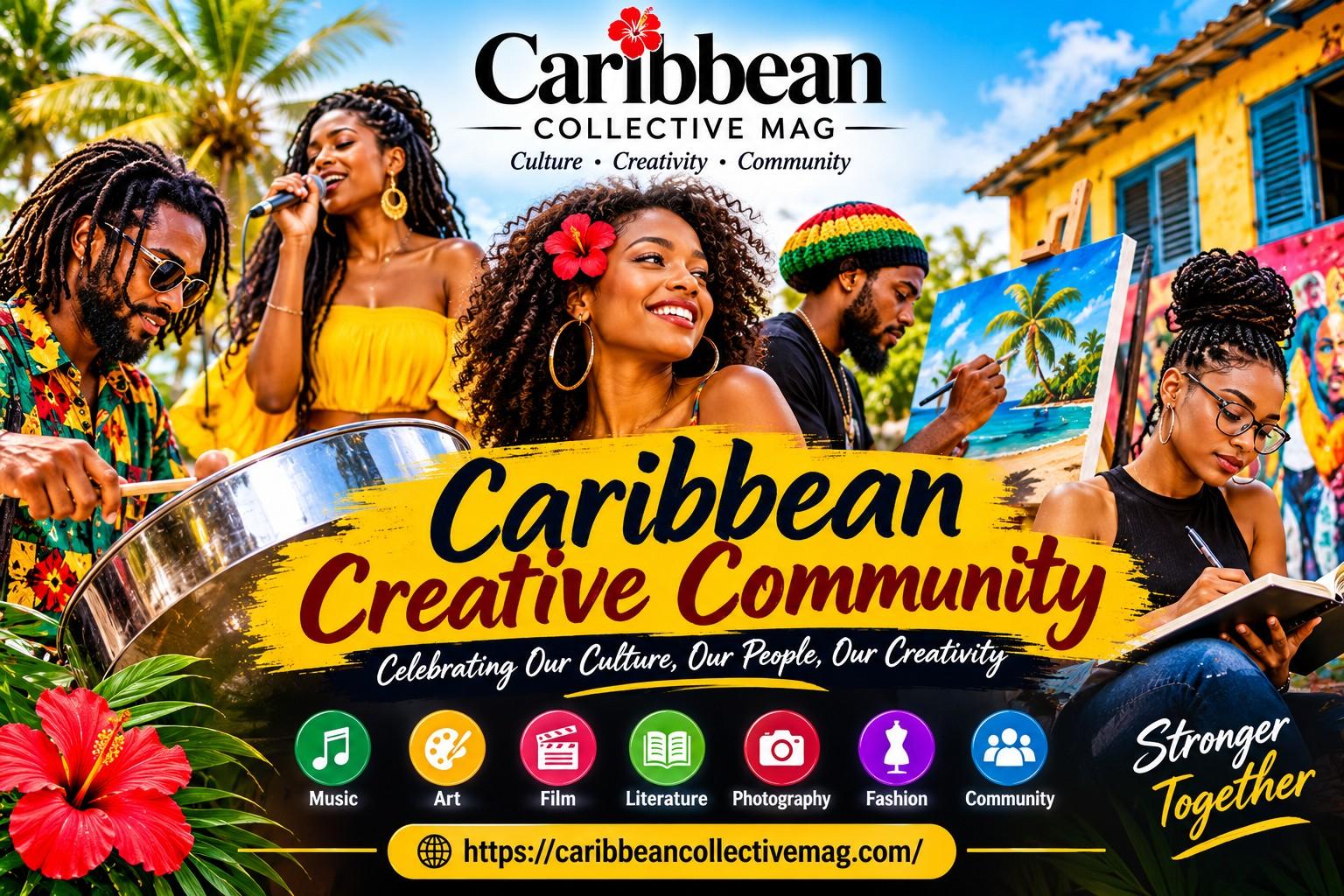

How the Caribbean Creative Community Keeps Culture Alive Across the Diaspora
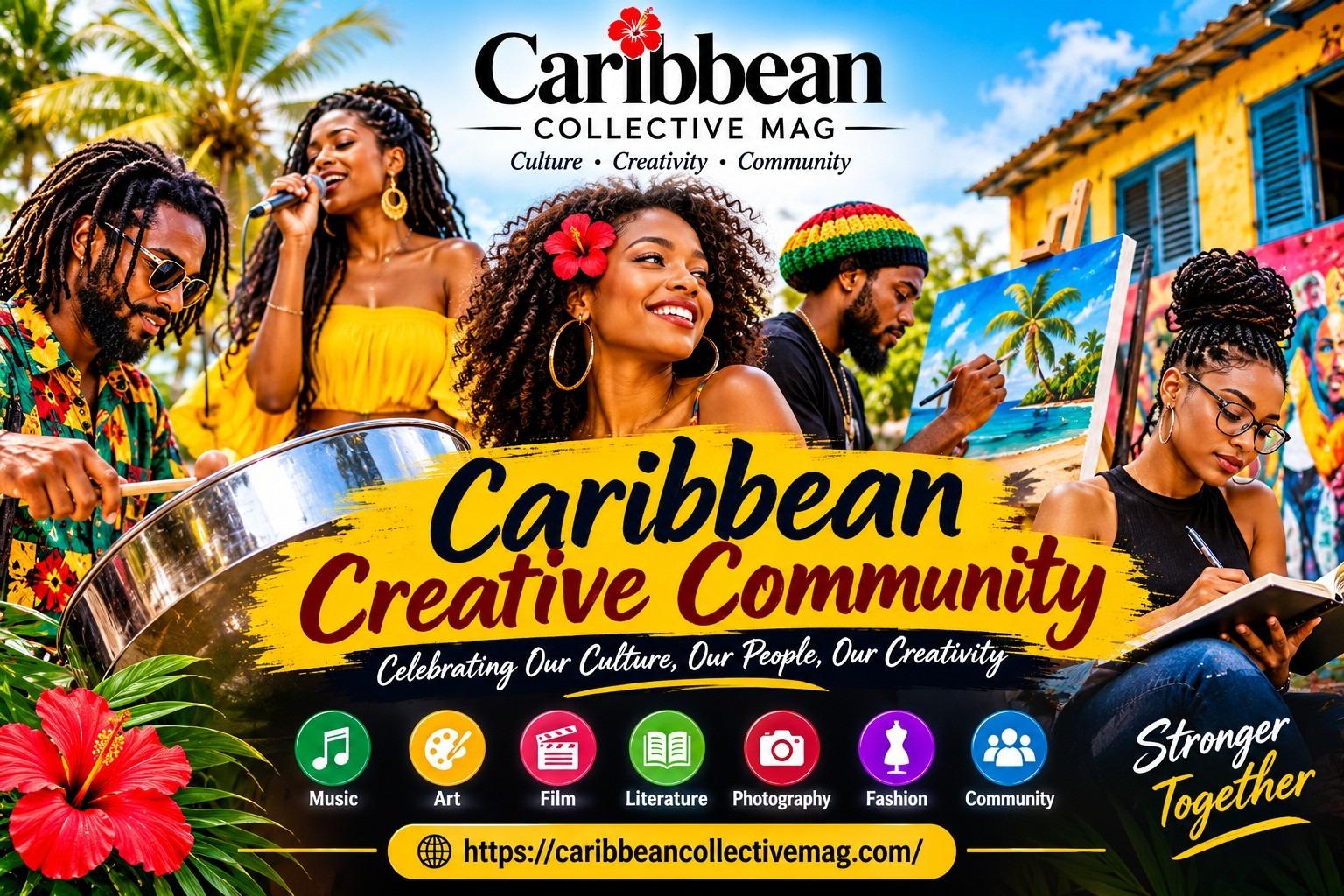
A familiar song playing at a family gathering. A recipe passed down by a grandmother. A painting that captures the colours of an island someone left years ago. These moments may seem ordinary, but they carry something much bigger: a connection to home.
For Caribbean people living across the United States, Canada, the United Kingdom and beyond, culture does not stop at the shoreline. It travels through families, creative work, community events and the stories people choose to share. Artists, writers, musicians, filmmakers and entrepreneurs all play a part in keeping that connection alive.
The Caribbean creative community is not simply a group of talented people working in different industries. It is a network of voices shaping how Caribbean identity is remembered, expressed and understood. Their work connects generations while making space for new interpretations of heritage.
What Makes the Caribbean Creative Community So Distinct?
Caribbean creativity comes from a region shaped by many histories, languages, traditions and influences. African, Indigenous, European, South Asian and other cultural experiences have contributed to the region's rich and varied identity.
There is no single way to be Caribbean. A Jamaican artist, a Trinidadian filmmaker, a Guyanese writer and a Dominican designer may share certain experiences while expressing their heritage in very different ways.
That diversity is one of the community's greatest strengths.
Creativity also provides a way to discuss subjects that are sometimes overlooked, including migration, belonging, family expectations, gender, language and the experience of growing up between cultures.
For someone raised in Toronto by Caribbean parents, for example, identity may be shaped by both the traditions practised at home and the experiences of growing up in Canada. A writer or photographer can turn that personal experience into a story that resonates with thousands of people.
How Caribbean Creators Preserve Culture Through Their Work
Cultural preservation is not limited to museums, archives or historical records. It also happens through everyday creative expression.
1. Artists turn personal identity into visual stories
Painters, photographers, illustrators and designers often use their work to explore Caribbean history and modern identity.
A photograph of a family gathering can document more than an occasion. It may capture traditional clothing, food, family relationships and customs that younger generations are still learning about.
Visual artists can also challenge familiar images of the Caribbean. Instead of focusing only on beaches and tourism, their work may explore city life, migration, social change, women's experiences and the complexity of belonging to more than one culture.
2. Musicians carry stories across generations
Caribbean music has always been a powerful form of cultural expression. Reggae, soca, dancehall, calypso, kompa, zouk, salsa and many other musical traditions have travelled far beyond their places of origin.
Artists continue to build on these sounds while experimenting with new genres and production styles.
A young musician in London might combine Caribbean rhythms with contemporary R&B. A singer in New York might write about growing up in a household where their parents' island traditions shaped everyday life.
These creative choices allow music to remain connected to its roots without becoming trapped in the past.
3. Writers and filmmakers make overlooked experiences visible
Some of the most meaningful cultural stories begin with questions that families have discussed for years but rarely documented.
What was life like for a grandparent who migrated to another country? How did a family maintain its language and traditions? What does it mean to grow up with a Caribbean identity in a place where few people share the same background?
Writers, journalists and filmmakers can explore these questions through interviews, documentaries, fiction and personal essays.
Their work creates a record of experiences that might otherwise remain within individual families.
Migration changes where people live, but it does not automatically remove their connection to their heritage.
For many Caribbean families, that connection is maintained through food, language, celebrations, music and conversations between generations. Stories help explain why certain traditions matter and how they developed.
UNESCO identifies oral traditions and expressions as important ways communities pass on knowledge, social values and collective memory. It also highlights the role of communication between generations in keeping these traditions alive.
This is why Caribbean cultural stories deserve more than occasional attention during heritage celebrations.
They can help younger people understand the experiences behind family traditions. They can also give people outside the Caribbean a more accurate picture of the region, beyond familiar tourism images and stereotypes.
A story about a Caribbean woman's business journey, for example, can explore much more than entrepreneurship. It may reveal how family values, cultural expectations, migration and personal ambition influence the decisions she makes.
The Growing Influence of Caribbean Women Creatives
Women have long contributed to Caribbean culture as artists, performers, writers, business owners, educators and community leaders. Their work deserves recognition not only for its creative value but also for the perspectives it brings into public conversations.
Across the diaspora, Caribbean women are building businesses, publishing books, producing films, leading cultural initiatives and creating platforms for other voices.
Their stories often explore experiences that are not always represented in mainstream media.
These include navigating professional life while maintaining cultural connections, raising children between different identities, challenging expectations around womanhood and building creative careers in unfamiliar environments.
There is also an important difference between being represented and having control over one's story. When women create their own platforms, they can decide which experiences deserve attention and how those experiences should be presented.
That independence helps make the wider creative community more inclusive.
How Digital Platforms Are Connecting Caribbean Creators
A creator no longer needs to live in the Caribbean to remain connected to its creative scene.
Digital magazines, podcasts, online exhibitions, social media and independent publications allow people to share work across countries and time zones. An artist in Jamaica can reach an audience in London. A writer in Canada can interview a cultural organiser in Trinidad. A filmmaker in New York can introduce a family history to viewers around the world.
These platforms also make collaboration easier.
|
Digital platform |
How it supports Caribbean creativity |
|
Online magazines |
Publish interviews, profiles and cultural features |
|
Podcasts |
Share conversations and personal experiences |
|
Social media |
Help creators reach new audiences and build communities |
|
Digital exhibitions |
Present artwork beyond physical gallery spaces |
|
Video platforms |
Share music, documentaries and creative projects |
|
Online archives |
Record photographs, oral histories and cultural material |
However, visibility does not always mean meaningful support.
A creator may receive thousands of views without earning a sustainable income or gaining access to professional opportunities. The community needs more than likes and shares. It also needs fair payment, useful partnerships, mentorship and spaces where emerging talent can develop.
Challenges Facing Caribbean Creatives
Despite the opportunities, building a creative career connected to Caribbean identity can come with real difficulties.
Limited funding and professional opportunities
Emerging creators may struggle to find grants, exhibition spaces, production funding or industry contacts. Those living outside major creative centres can face additional barriers.
Community organisations, cultural institutions and established professionals can help by sharing opportunities and creating routes into the industry.
Cultural stereotypes and narrow representation
Caribbean culture is sometimes presented through a limited set of familiar images. Music, beaches, Carnival and food are important parts of the region's identity, but they do not represent every experience.
Creators need room to explore subjects such as science, technology, business, literature, social change and everyday life without having to fit a narrow idea of what Caribbean content should look like.
Keeping traditions alive without limiting creativity
Preserving heritage does not mean repeating the past exactly.
Younger generations may use different languages, platforms, artistic styles and forms of expression. That does not automatically make their work less connected to their roots.
The stronger approach is to understand the meaning behind a tradition and allow people to engage with it in ways that reflect their own experiences.
Practical Ways to Support the Caribbean Creative Community
Supporting Caribbean creatives should be an ongoing practice, not something reserved for cultural festivals or special occasions.
Here are a few meaningful ways to contribute:
-
Follow emerging creators: Look beyond well-known names and discover independent artists, writers, photographers and musicians.
-
Pay for creative work: Buy books, artwork, music, event tickets and products directly from creators when possible.
-
Share stories responsibly: Credit the original artist or publication when sharing their work.
-
Attend cultural events: Visit exhibitions, film screenings, literary events, performances and community celebrations.
-
Create opportunities: Businesses and organisations can offer commissions, mentorship, partnerships and paid collaborations.
-
Preserve family histories: Record conversations with older relatives, document recipes and photograph traditions with their context.
-
Make room for different voices: Support creators from different islands, backgrounds, generations and diaspora experiences.
Small actions can help build a stronger network of creative support.
The Role of Caribbean Collective Magazine in Amplifying These Voices
A creative community needs spaces where its members can be seen, heard and taken seriously.
Caribbean Collective Magazine provides an editorial platform for stories connected to West Indian women and their identities across the United States, Canada and the United Kingdom. Its coverage of culture, lifestyle, business, fashion and individual journeys reflects the many ways Caribbean heritage continues to shape modern life.
The value of this kind of platform goes beyond publishing an interview or profile. It gives readers the opportunity to discover people whose work may not receive attention elsewhere.
It also creates a place where different generations can recognise parts of their own experiences in someone else's story.
As more creators share their journeys, the picture of Caribbean identity becomes richer, more varied and more representative of the people who live it.
Frequently Asked Questions
1. What is the Caribbean creative community?
The Caribbean creative community includes artists, musicians, writers, filmmakers, designers, photographers, entrepreneurs and cultural organisers who create work connected to Caribbean heritage, identity and contemporary life. Its members may live in the Caribbean or in diaspora communities around the world.
2. Why is Caribbean creativity important?
Caribbean creativity helps preserve cultural knowledge, share personal experiences and introduce audiences to the region's diversity. It also creates opportunities for artists and helps challenge narrow representations of Caribbean people and communities.
3. How do Caribbean creators preserve their culture?
Creators preserve and reinterpret culture through music, visual art, writing, film, photography, oral history, food and community events. They can document traditions while exploring how those traditions change across generations.
4. What are Caribbean cultural stories?
Caribbean cultural stories are accounts of the region's heritage, people, traditions, history and everyday experiences. They may explore migration, family, language, food, music, identity, creativity and life across the diaspora.
5. How can people support Caribbean artists and creators?
People can support creators by purchasing their work, attending events, sharing their content with proper credit, commissioning projects and recommending their work to others. Organisations can also provide funding, mentorship and professional opportunities.
6. Can someone be part of the Caribbean creative community while living abroad?
Yes. Caribbean identity and creative expression are not limited by geography. People in the United States, Canada, the United Kingdom and other countries contribute through their work, family traditions, collaborations and connections with Caribbean communities.
7. How can young people stay connected to Caribbean heritage?
Young people can explore family histories, learn about their islands' traditions, listen to Caribbean music, read regional writers, attend cultural events and speak with older relatives. Creating their own work is another way to keep heritage relevant to their generation.
Conclusion: Culture Grows When People Keep Sharing Their Stories
The Caribbean creative community is built through people who choose to create, document, teach, collaborate and share. Their work keeps cultural connections alive while allowing those connections to grow in new directions.
From an artist exploring identity through photography to a young filmmaker documenting family history, every creative voice adds another perspective to the wider Caribbean story.
Supporting these voices means doing more than celebrating heritage. It means giving creators the visibility, resources and respect they need to continue their work.
Discover more stories, perspectives and creative voices through Caribbean Collective Magazine—and keep making space for the people shaping Caribbean culture today.
