

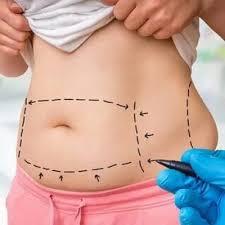

Liposuction in Dubai is a popular body contouring procedure designed to remove stubborn fat deposits and improve body proportions. However, achieving balanced and natural-looking results involves more than simply removing excess fat. One important factor that influences the outcome is how fat is distributed throughout the body.
Every individual stores fat differently. Some people accumulate fat around the abdomen, while others notice stubborn deposits around the thighs, hips, arms, or lower back. These differences can influence treatment planning, the areas selected for fat removal, and the final body contour.
Understanding the relationship between fat distribution and liposuction helps individuals develop realistic expectations and make informed decisions before considering the procedure.
Understanding Different Fat Distribution Patterns
Fat distribution refers to how and where the body stores excess fat. Genetics, hormones, age, lifestyle, and natural body structure can all influence these patterns.
Some common fat distribution patterns include:
-
Abdominal fat: Excess fat around the stomach and waistline.
-
Hip and thigh fat: Fat deposits around the outer thighs, inner thighs, and hips.
-
Upper body fat: Accumulation around the upper arms, back, and chest.
-
Lower body fat: Fat deposits around the buttocks, hips, and thighs.
-
Flank fat: Stubborn deposits around the sides of the waist, commonly called love handles.
These patterns matter because liposuction is planned according to individual anatomy rather than following one standard approach for everyone.
Why Does Fat Distribution Influence Liposuction Results?
The location, thickness, and amount of excess fat can affect how a treatment area responds to liposuction. A person with concentrated abdominal fat may require a different treatment approach from someone with fat distributed across the hips and thighs.
The surgeon evaluates the treatment areas to understand where fat removal may improve overall proportions. Removing too much fat from one area without considering surrounding body contours can create uneven results.
For example, reducing fat around the waist while maintaining appropriate proportions in the hips may help create a more balanced silhouette. Similarly, treating the thighs requires careful consideration of the surrounding areas to maintain natural-looking contours.
The objective is not simply to remove the maximum amount of fat but to improve body shape while maintaining symmetry.
The Difference Between Localised Fat and Visceral Fat
Understanding the type of fat present in the body is essential when considering liposuction.
There are two important types of abdominal fat:
Subcutaneous Fat
Subcutaneous fat is located directly beneath the skin. It is the type of fat that liposuction can target. It may create visible bulges around the abdomen, waist, thighs, and other treatment areas.
Visceral Fat
Visceral fat is stored deeper inside the abdominal cavity, surrounding internal organs. Liposuction cannot remove visceral fat because it is located beneath the abdominal muscles.
This distinction is important for people who want to improve their abdominal appearance. Someone with a prominent stomach caused mainly by visceral fat may not achieve the expected results from liposuction.
A proper medical assessment helps identify whether the visible fullness is related to removable subcutaneous fat or deeper abdominal fat.
How Skin Elasticity Affects the Final Body Contour
Fat distribution is only one factor affecting liposuction outcomes. Skin elasticity also plays an important role in how the treated area looks after fat removal.
When fat is removed, the skin needs sufficient elasticity to adapt to the body's new contours. Individuals with good skin elasticity may experience better natural retraction following the procedure.
However, people with loose skin, significant stretch marks, or reduced skin elasticity may experience unevenness or skin laxity after fat removal.
For this reason, surgeons assess skin quality alongside fat distribution before recommending liposuction. In some cases, another body contouring procedure may be more appropriate depending on the amount of excess skin.
Can Liposuction Improve Uneven Body Proportions?
Liposuction can help improve body proportions by addressing localised fat deposits that may make certain areas appear larger than others.
For example, a person may have a relatively slim upper body but noticeable fat around the lower abdomen and hips. Another individual may have stubborn fat around the upper arms despite maintaining a stable body weight.
By evaluating the relationship between different body areas, surgeons can develop a treatment plan that focuses on balanced contours.
However, liposuction is not a weight-loss procedure or a treatment for obesity. It is generally intended for individuals who are near a stable, healthy weight and have specific areas of localised fat.
Results also vary depending on anatomy, skin quality, healing, and individual characteristics.
Factors Surgeons Consider Before Liposuction
Before recommending liposuction, a qualified surgeon considers several factors to determine whether the procedure is suitable.
Important assessment areas include:
-
Fat thickness: Evaluating the amount of subcutaneous fat in the selected area.
-
Body proportions: Understanding how the treatment area relates to surrounding body parts.
-
Skin condition: Checking elasticity, firmness, and existing skin laxity.
-
Medical history: Reviewing previous procedures, medications, and relevant health conditions.
-
Treatment expectations: Understanding the patient's goals and explaining achievable outcomes.
-
Overall health: Assessing whether the individual is medically suitable for surgery.
These considerations help reduce the risk of unrealistic expectations and support safer, individualised treatment planning.
Liposuction Assessment and Treatment Planning at Tajmeels Clinic
At tajmeels clinic dubai, liposuction planning focuses on understanding individual body characteristics and treatment goals. Every person has a different fat distribution pattern, which is why a personalised assessment is important before considering the procedure.
The clinic-based approach involves evaluating the areas of concern, discussing body proportions, and considering factors such as skin elasticity and overall suitability. Patients can discuss their expectations and understand the potential benefits, limitations, and recovery considerations associated with liposuction.
A personalised consultation helps individuals make informed decisions about body contouring while keeping realistic outcomes and patient safety in focus.
What Can Help Maintain Liposuction Results?
Although liposuction removes fat cells from selected areas, remaining fat cells can still increase in size if a person gains significant weight.
Maintaining a stable weight and following healthy lifestyle habits can help preserve the results.
Some useful habits include:
-
Following a balanced and nutritious diet.
-
Maintaining regular physical activity.
-
Drinking sufficient water.
-
Avoiding significant weight fluctuations.
-
Following the surgeon's post-operative instructions.
-
Attending recommended follow-up appointments.
Compression garments may also be recommended during recovery to support the healing process and help manage swelling.
Frequently Asked Questions
1. Does fat distribution affect how much fat can be removed?
Yes. The amount of removable fat depends on the treatment area, individual anatomy, safety considerations, and the surgeon's assessment.
2. Can liposuction remove fat from multiple body areas?
Liposuction can treat multiple areas in selected patients. However, the number of areas treated depends on medical suitability and safe surgical limits.
3. Does liposuction change natural body shape?
Liposuction can improve body contours by reducing localised fat deposits, but natural anatomy and underlying body structure continue to influence the final appearance.
4. Can fat return after liposuction?
Removed fat cells do not normally return in the treated area, but remaining fat cells can enlarge with weight gain. Maintaining a stable weight helps preserve results.
More Information
Tajmeels Clinic Dubai
WhatsApp: +971 56 203 8751
Phone: tel:+971 43739000
Social Media:

