

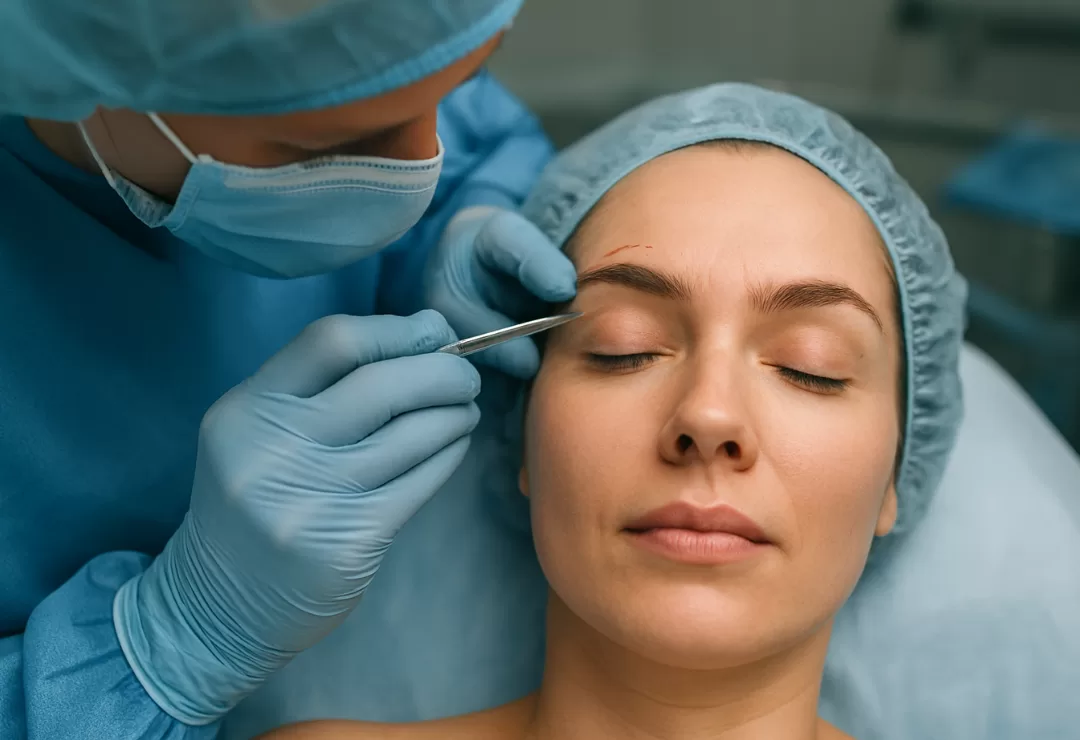

Ageing can gradually affect the forehead and eyebrow area, leading to sagging eyebrows, deeper wrinkles, and a heavy appearance around the eyes. These changes may make older adults look tired or concerned even when they feel well. Brow Lift in Dubai may help improve these concerns by raising the eyebrows and repositioning the supporting tissues. At Dynamic Life Clinic, older patients can discuss their facial goals with a qualified specialist and determine whether their general health and facial anatomy make them suitable for surgery.
Age Alone Does Not Determine Surgical Suitability
Older adults can be suitable candidates for brow lift surgery because there is no universal upper age limit for the procedure. A person's general health, medical history, skin condition, and ability to recover are more important than their age alone. Some people in their sixties or seventies may be healthy enough for surgery, while younger individuals with certain medical conditions may face additional risks. A thorough medical evaluation helps the surgeon determine whether the potential benefits justify the risks for each patient.
Improving Age-Related Eyebrow Drooping
As the skin loses elasticity and supporting tissues become weaker, the eyebrows may gradually move downward. This can create a heavy appearance above the eyes and make the upper face look older. Brow lift surgery raises the eyebrows to a more suitable position by adjusting the surrounding skin and tissues. For older adults with noticeable brow descent, this may create a more open and refreshed appearance. The amount of lifting is planned according to facial proportions and the patient's desired outcome.
Reducing Forehead Wrinkles and Frown Lines
Older adults may develop horizontal forehead wrinkles and deeper lines between the eyebrows because of repeated facial movements and changes in skin elasticity. A brow lift may soften selected lines by repositioning the brow and adjusting underlying tissues. However, the procedure does not remove every wrinkle or reverse all age-related skin changes. Deep creases, sun damage, and changes in skin texture may require separate consideration. Patients should understand the realistic improvements before deciding to undergo surgery.
Improving the Appearance of Heavy Upper Eyelids
Drooping eyebrows can contribute to a hooded appearance by allowing the surrounding skin to sit closer to the upper eyelids. Raising the brows may reduce some of this heaviness and make the eyes appear more open. However, excess eyelid skin and true eyelid drooping are separate conditions. Some older adults may benefit from upper eyelid surgery or eyelid ptosis repair instead of, or in addition to, a brow lift. A specialist should examine the eyebrow position and eyelid function before recommending treatment.
Medical Conditions and Overall Health Assessment
Older patients may have medical conditions or take medications that require additional planning before surgery. Conditions affecting the heart, lungs, blood circulation, blood sugar, or wound healing should be reviewed carefully. Blood-thinning medications and certain supplements may also influence bleeding risk. Patients should provide a complete list of their medications and medical history. They should never stop prescribed medication without instructions from their treating doctor and surgical team. The surgeon and anaesthetist can use this information to assess whether surgery and anaesthesia are appropriate.
Checkpoint: Important Considerations Before Brow Lift Surgery
Older adults should consider several factors before deciding whether to undergo a brow lift. A careful consultation helps identify potential risks and establish a suitable treatment plan.
-
General health: Overall physical condition is more important than chronological age alone.
-
Existing conditions: Heart disease, diabetes, respiratory problems, and circulation issues may require additional evaluation.
-
Medication review: Blood thinners and other prescribed medicines should be discussed with the medical team.
-
Skin condition: Skin elasticity, thickness, and healing ability can influence the surgical approach.
-
Smoking habits: Smoking can interfere with circulation and wound healing, so patients should discuss stopping before surgery.
-
Anaesthesia suitability: The anaesthetist evaluates individual risks and recommends an appropriate anaesthesia plan.
-
Recovery support: Patients should arrange help with transportation and daily activities during the initial recovery period.
-
Realistic expectations: Surgery may improve brow position and selected wrinkles but cannot stop natural ageing.
Recovery Considerations for Older Adults
Recovery depends on the surgical technique, the extent of correction, and the patient's general health. Older adults may need individualised recovery guidance, particularly if they have conditions that affect healing or mobility. Temporary swelling, bruising, tightness, and discomfort around the forehead are common after surgery. Patients should follow wound-care instructions, attend follow-up appointments, and avoid strenuous activities until their surgeon gives clearance. Having a family member or caregiver available during the early recovery period can also provide practical support.
Understanding the Possible Risks and Limitations
Brow lift surgery carries risks regardless of a patient's age. Possible complications include bleeding, infection, scarring, poor wound healing, temporary or lasting numbness, hair loss near incisions, asymmetry, and anaesthesia-related problems. Some patients may also require further treatment if the result does not meet their expectations. Older adults with certain medical conditions may have additional risks that need careful evaluation. A detailed discussion with the surgeon and anaesthetist helps patients understand these concerns before giving consent.
Brow Lift Surgery at Dynamic Life Clinic
At Dynamic Life Clinic, older adults can discuss concerns such as sagging eyebrows, forehead wrinkles, and heaviness around the eyes with a qualified specialist. The assessment should include facial anatomy, skin condition, medical history, current medications, and overall surgical fitness. The specialist can explain the available techniques, expected improvements, recovery requirements, and possible complications. An individualised approach helps determine whether a brow lift is appropriate or whether another facial treatment may better address the patient's concerns.
Frequently Asked Questions
Older adults often have questions about age limits, safety, recovery, and the results of brow lift surgery. These answers explain important considerations before treatment.
Is There an Upper Age Limit for Brow Lift Surgery?
There is no fixed upper age limit. Older adults may be considered for surgery if they are in suitable general health, have realistic expectations, and can safely undergo the procedure and recovery.
Can a 70-Year-Old Have Brow Lift Surgery?
A 70-year-old may be suitable, depending on medical history, physical health, skin condition, and anaesthesia assessment. Age alone does not determine eligibility, so an individual evaluation is essential.
Does Brow Lift Surgery Take Longer to Heal in Older Adults?
Recovery varies between individuals. Some older patients may need additional time because of health conditions or slower tissue healing, while others recover without significant delays. Following the surgeon's aftercare instructions is important.
Can Older Adults Combine Brow Lift and Eyelid Surgery?
Some patients may benefit from combining procedures when both brow descent and excess eyelid skin are present. However, combining surgeries may increase operative time and overall risks, so the decision requires careful medical assessment.
Are Brow Lift Results Permanent for Older Adults?
The procedure creates long-lasting changes in brow position, but it does not stop ageing. Skin elasticity and supporting tissues continue to change, so the appearance may gradually evolve over time.
Conclusion
Brow lift surgery can be suitable for older adults who have sagging eyebrows, forehead wrinkles, or heaviness around the upper eyes and are healthy enough to undergo surgery. Age alone is not a reason to rule out treatment, but medical conditions, medications, healing ability, and anaesthesia risks must be carefully assessed. A consultation with a qualified surgeon helps determine whether the procedure is appropriate and establishes realistic expectations for a safe, natural-looking improvement.
