

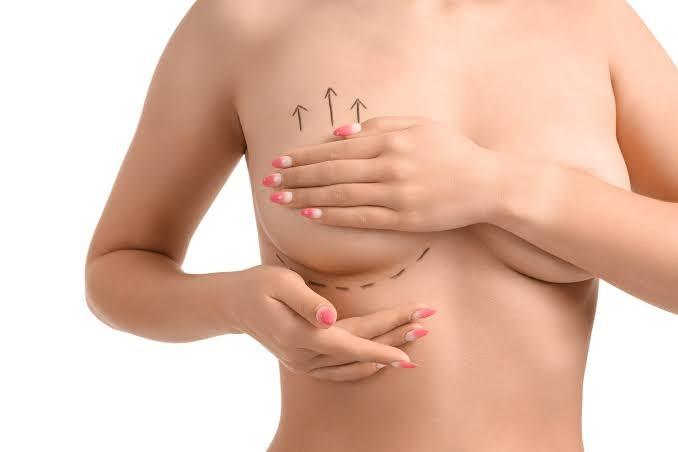

Reconstructed breast tissue can create a breast shape that looks natural and balanced with the rest of the body. However, the appearance and feel may differ from the original breast because reconstruction involves implants or tissue transferred from another area. For patients researching Breast Reconstruction in Dubai, understanding what influences the final result can help establish realistic expectations.
Some reconstructed breasts may have a soft appearance and a shape that complements the patient's body, while others may look firmer or have visible differences in contour. The outcome depends on the reconstruction technique, skin quality, body structure, previous treatments, and individual healing.
What Makes Reconstructed Breast Tissue Look Natural?
Several factors influence how natural a reconstructed breast looks. These include breast size, shape, position, skin condition, and the amount of available tissue.
The surgeon considers the patient's chest width, body proportions, and the shape of the opposite breast when planning reconstruction. Previous radiation therapy and surgical scars may also affect the skin and underlying tissues.
The reconstruction method is another important factor. Implant-based reconstruction creates volume using an artificial implant, while flap reconstruction uses the patient's own skin and fat to rebuild the breast mound.
Breast Augmentation Lab
Learning about breast reconstruction methods can help patients understand the differences between appearance, shape, and tissue feel. Breast Augmentation Lab provides educational information about breast procedures, their techniques, and important treatment considerations. Patients should discuss their expectations and medical needs with an appropriately qualified specialist.
Does Implant-Based Reconstruction Look Natural?
Implant-based reconstruction can create a breast shape that complements the patient's body. The surgeon selects an implant based on chest dimensions, remaining skin, tissue coverage, and desired volume.
The final appearance depends partly on how much natural tissue covers the implant. When the surrounding skin and tissue are thin or affected by radiation, the implant may be more noticeable or feel firmer.
Some patients have direct-to-implant reconstruction, while others need a tissue expander before a permanent implant is placed. The surgeon will explain which approach is suitable for the patient's circumstances.
Does Flap Reconstruction Look and Feel More Natural?
Flap reconstruction uses the patient's own tissue, usually skin and fat from the abdomen, back, or thighs. Some patients find that this tissue feels softer and more similar to natural breast tissue than an implant.
Techniques such as DIEP flap and TRAM flap reconstruction use abdominal tissue, while latissimus dorsi reconstruction uses tissue from the upper back.
The transferred tissue is shaped to create a breast mound. Its final appearance depends on the available tissue, blood supply, healing, and surgical technique. Flap reconstruction does not guarantee an exact match to the original breast.
Can Reconstructed Breasts Match the Opposite Breast?
When only one breast is reconstructed, surgeons consider the opposite breast when planning the size, shape, and position. In some cases, an additional procedure on the other breast may be discussed to improve symmetry.
However, natural breasts often have slight differences in size, shape, and position. Perfect symmetry is not always possible, even after additional surgery.
When both breasts are reconstructed, the surgeon plans their proportions together. Healing and tissue characteristics can still lead to small differences between the two sides.
Does Skin Quality Affect the Appearance?
Yes. Skin quality plays an important role in the final appearance of reconstructed breasts. Skin that has good flexibility and blood supply may provide a more suitable environment for reconstruction.
Radiation therapy can cause changes such as tightness, reduced flexibility, and scarring. These effects may influence implant placement, flap coverage, and the overall breast contour.
The surgeon examines the chest area before recommending a technique. In selected patients, using the patient's own tissue may help provide additional healthy coverage to the treated area.
Can Nipple and Areola Reconstruction Make the Breast Look More Natural?
Nipple and areola reconstruction can add detail to the reconstructed breast and create a more complete appearance.
Nipple reconstruction may use local skin to create a raised shape. Areola reconstruction may involve medical tattooing to add colour and create the appearance of an areola.
These procedures are often planned after the breast mound has healed. The reconstructed nipple may not have normal sensation or the same response as a natural nipple.
Does Reconstructed Breast Tissue Feel Like Natural Breast Tissue?
The feel depends on the reconstruction method and the surrounding tissues. Flap reconstruction uses the patient's own skin and fat, which may provide a softer feel.
Implants can feel different depending on their material, size, placement, and the thickness of the tissue covering them. Scar tissue around an implant may sometimes become tight, a condition known as capsular contracture.
Patients should also understand that sensation is often reduced after mastectomy. Reconstructed breast tissue may not have the same sensitivity as the original breast, even when its appearance is natural.
Can Breast Reconstruction Results Change Over Time?
Yes. Reconstructed breasts can change as the body ages or experiences weight fluctuations.
Implant-based reconstruction may be affected by implant movement, rupture, capsular contracture, or changes in surrounding skin and tissue. Implants are not lifetime devices and may require further surgery.
Flap reconstruction uses living tissue, so its volume can increase or decrease with changes in body weight. Scars and breast contours may also change as healing progresses.
Regular follow-up appointments help the medical team monitor the reconstruction and identify concerns that may need attention.
What Can Help Achieve Better Reconstruction Results?
Choosing an appropriate reconstruction method is an important part of treatment planning. Patients should discuss their medical history, previous cancer treatments, body structure, and expectations openly with their surgeon.
Following post-operative instructions can support healing. This includes caring for surgical wounds, avoiding strenuous activities until cleared, and attending scheduled follow-up appointments.
Patients should also understand that reconstruction may involve multiple stages. Additional procedures may sometimes be recommended to adjust breast shape, improve symmetry, or reconstruct the nipple and areola.
Final Thoughts
Reconstructed breast tissue can look natural and balanced, but its appearance and feel depend on several individual factors. Implant-based and flap reconstruction offer different ways to rebuild breast shape, and neither method guarantees an exact match to the original breast.
A qualified reconstructive surgeon can assess skin quality, available tissue, previous treatments, and personal goals to explain which approach may be appropriate.

