

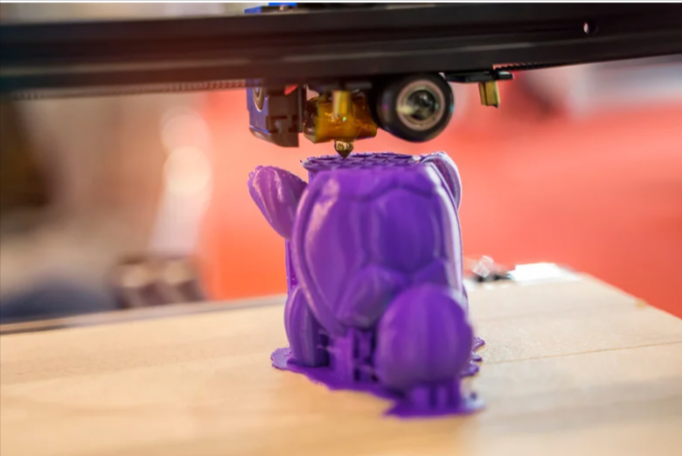

Before you buy, it helps to separate the 3D printer cost you see on a product tag from the 3D printer price in india you actually end up paying once accessories, materials, taxes and support are counted. The two numbers are rarely the same. A machine that looks cheap on a listing can turn expensive within a month, and a pricier one can be the better deal over a year. This guide breaks the spending into clear pieces so you can plan a realistic budget and avoid the surprises that catch many first time buyers.
Quick answer: Entry level machines in India start around Rs. 15,000, capable mid range models run to about Rs. 80,000, and high speed or professional units climb well beyond that. Add materials, spare parts and any wash or enclosure equipment, and expect the real first year budget to be noticeably higher than the headline figure.
Why the Tag Price Misleads
A product page shows the cost of the box and nothing else. Real ownership has three layers. The first is the machine. The second is everything you need to make it useful, such as plastic or resin, tools and storage. The third is time and mistakes: failed prints use material, and learning takes patience.
Many buyers focus entirely on the first layer, then feel disappointed when the second and third show up. Planning for all three from the start makes the purchase calmer and the machine more enjoyable to use.
Price Bands in Rupees
Based on authorised dealer listings, this is roughly where the market sits. Treat the figures as ranges, since models, stock and taxes change.
| Category | Technology | Typical price | Who it suits |
|---|---|---|---|
| Entry level | FDM | Rs. 15,000 to Rs. 35,000 | Beginners, students, hobbyists |
| Mid range | FDM | Rs. 35,000 to Rs. 80,000 | Makers, engineers, small workshops |
| High speed | FDM (CoreXY) | Rs. 45,000 to Rs. 1,80,000 | Professionals, multi colour work |
| Entry and mid resin | MSLA | Rs. 20,000 to Rs. 60,000 | Jewellery, miniatures, dental models |
| Professional resin | MSLA | Rs. 25,000 to Rs. 1,50,000 | Studios needing high detail |
| Industrial | FDM, SLA, DLP | Rs. 1,00,000 and above | Production, research and development |
Notice how wide the ranges are. Build volume, screen resolution, speed, enclosure and automation all move the price. A buyer who only needs small hobby parts shouldn't pay for a large format machine, and a studio printing batches shouldn't squeeze into a compact one.
The Costs Nobody Puts on the Product Page
Think of these as the second layer, the things that make the machine usable day after day.
- Materials. Plastic spools for FDM, bottles of resin for resin machines. This is the biggest recurring item.
- Spare parts. Nozzles wear out, build surfaces get scratched and resin vats need replacement film.
- Tools. Pliers, scrapers, deburring blades, calipers and a small set of screwdrivers.
- Cleaning supplies. Isopropyl alcohol, gloves and paper towels, essential for resin work.
- Storage. Sealed boxes and silica gel keep materials dry, which matters in humid Indian summers and monsoons.
- Post processing equipment. A wash and cure station for resin, or sanding and finishing supplies for plastic parts.
- Power and space. Electricity costs are small but real, and a stable table with some ventilation is part of the setup.
A simple rule of thumb is to set aside an extra ten to twenty percent of the machine's price for first month extras. It's not a rule from any manufacturer, only a cushion that keeps small purchases from derailing your plans.
Resin or FDM: Which Costs More to Run?
FDM is usually cheaper to run. Plastic filament costs less per print than resin, and there's no washing or curing step. Resin machines tend to cost more per print because the liquid itself is pricier, failed prints waste it, and you also pay for alcohol, gloves, vat film and a curing setup.
That doesn't make resin a bad choice. For jewellery masters, dental models or finely detailed miniatures, the quality difference justifies the extra running cost. The mistake is choosing resin for large functional parts, where FDM would serve you better at a lower cost.
The Grey Market Trap
Prices that look far below the typical range deserve a careful look. Unusually cheap listings, especially on large marketplaces, often come with hidden problems:
- No valid warranty in India
- Missing accessories or an incomplete box
- Older firmware versions
- No local service, so repairs are slow or impossible
- Batches that can't be traced if something fails
An authorised dealer costs more upfront, but the extra money buys genuine stock, a real warranty path and a person to call. If a screen, hotend or main board fails in the first year, that support can be worth more than the original saving. It's the same logic as buying a phone from an authorised store instead of an anonymous seller.
Thinking in Cost Per Print
Experienced users measure cost per print and look well past the machine price. A useful way to calculate it is to add material used, an estimate for wear on parts, and the electricity for the print time. Then add a small allowance for failures, since even good machines fail occasionally.
A reliable machine that wastes little material often beats a cheaper one that fails every fifth print. This is why spending a bit more on print quality and consistency can lower your real cost over a year.
Ways to Control the Budget
- Define your first project. A clear goal stops you buying features you won't use.
- Start with one material. Learn PLA before you spend on specialised plastics.
- Buy small quantities of new materials. Test before ordering a full set.
- Skip early upgrades. Wait until you understand what the machine can't do.
- Ask for a written quote. It should list what is and isn't included, with taxes shown.
- Check the warranty terms. Find out what it covers and who handles claims.
- Share expensive equipment. Colleges, studios and maker groups can split wash and cure stations or larger machines.
None of these steps needs special knowledge. They simply slow the buying process down enough for you to compare options calmly. Most overspending happens in the final hour of a purchase, when a flashy feature or a limited offer pushes someone past their original plan. Write your budget and your first project on paper before you start shopping, and check each option against both.
When Spending More Saves Money
Sometimes the pricier option is the thrifty one. A fully enclosed machine with reliable auto levelling can save hours of troubleshooting. A larger build volume can replace outsourcing for big parts. A multi colour system can cut hours of manual finishing. If your time has value, these features pay back quickly.
The reverse is also true. Buying a professional resin printer for occasional hobby use leaves the investment idle. Match the machine to the frequency and importance of your work, and the cost will feel fair.
A Worked Comparison: Two Buyers, Two Budgets
Numbers make this concrete. Take two buyers with very different needs.
Buyer one is a college student who wants to print phone stands, desk organisers and the odd replacement part. An entry level FDM machine in the Rs. 15,000 to Rs. 35,000 band fits. After the machine, they need a few spools of PLA, a spare nozzle, a scraper and a sealed box for storage. Following the ten to twenty percent cushion, that's roughly Rs. 1,500 to Rs. 7,000 on top of the machine in the first month. Running costs afterwards stay modest, because PLA is cheap and failures are cheap too.
Buyer two is a jewellery designer who needs fine masters for casting. An entry or mid range resin machine at Rs. 20,000 to Rs. 60,000 makes sense, plus a wash and cure station, which from a major brand sits around Rs. 25,000. That puts the starting outlay at roughly Rs. 45,000 to Rs. 85,000 before any resin, alcohol, gloves or spare vat film. Running costs are higher, but each cast piece earns money, so the investment pays back through sales.
The lesson is simple. The right budget depends on what you're making and how often, not on a single average figure.
Reading a Quote Line by Line
Before paying anything, ask for a written quote and read it slowly. A clear quote should show:
- The exact model name and number
- What's in the box, including nozzles, tools and starter material
- Whether the price includes GST and any delivery charge
- The warranty period and how claims are handled
- Whether installation or a demonstration is included
- The seller's address and contact details for after sales support
If any of these are missing, ask. A good seller answers without fuss. A seller who avoids the question is telling you something useful before you've spent a rupee. Keep the invoice and warranty card somewhere safe, since you'll need them if a part ever fails.
Frequently Asked Questions
What's the cheapest way to start 3D printing in India? An entry level FDM machine from an authorised dealer, a couple of spools of PLA and a modest first project. Avoid unusually low listings without a warranty.
Are branded printers worth the extra money? Often yes, because they bring better reliability, support and software. The premium is justified if you print regularly or rely on the results for work.
How much should I keep aside for materials? It depends on how often you print. A casual hobbyist uses a spool or two a month, while a small business can go through far more. Track your first two months to find your real rate.
Is it cheaper to outsource printing instead of buying a machine? For a one off part, outsourcing can be cheaper. If you print regularly, owning a machine usually pays back, especially for prototypes and repeated parts.
Do prices include GST? It depends on the seller and listing. Always ask whether the quoted figure is inclusive and make sure you receive a proper invoice.
Do prices change often? Yes. Exchange rates, model releases and stock levels all move prices, so confirm current listings before you decide.
Plan Your Budget With a Local Team
Hydrotech 3D Chennai has been an authorised dealer since 2020, based in Valasaravakkam, Chennai, with shipping across India. Share your use case and budget, and the team can suggest a sensible setup.
