

Sciatica Treatment Dubai: Comprehensive Care for Nerve Pain and Mobility
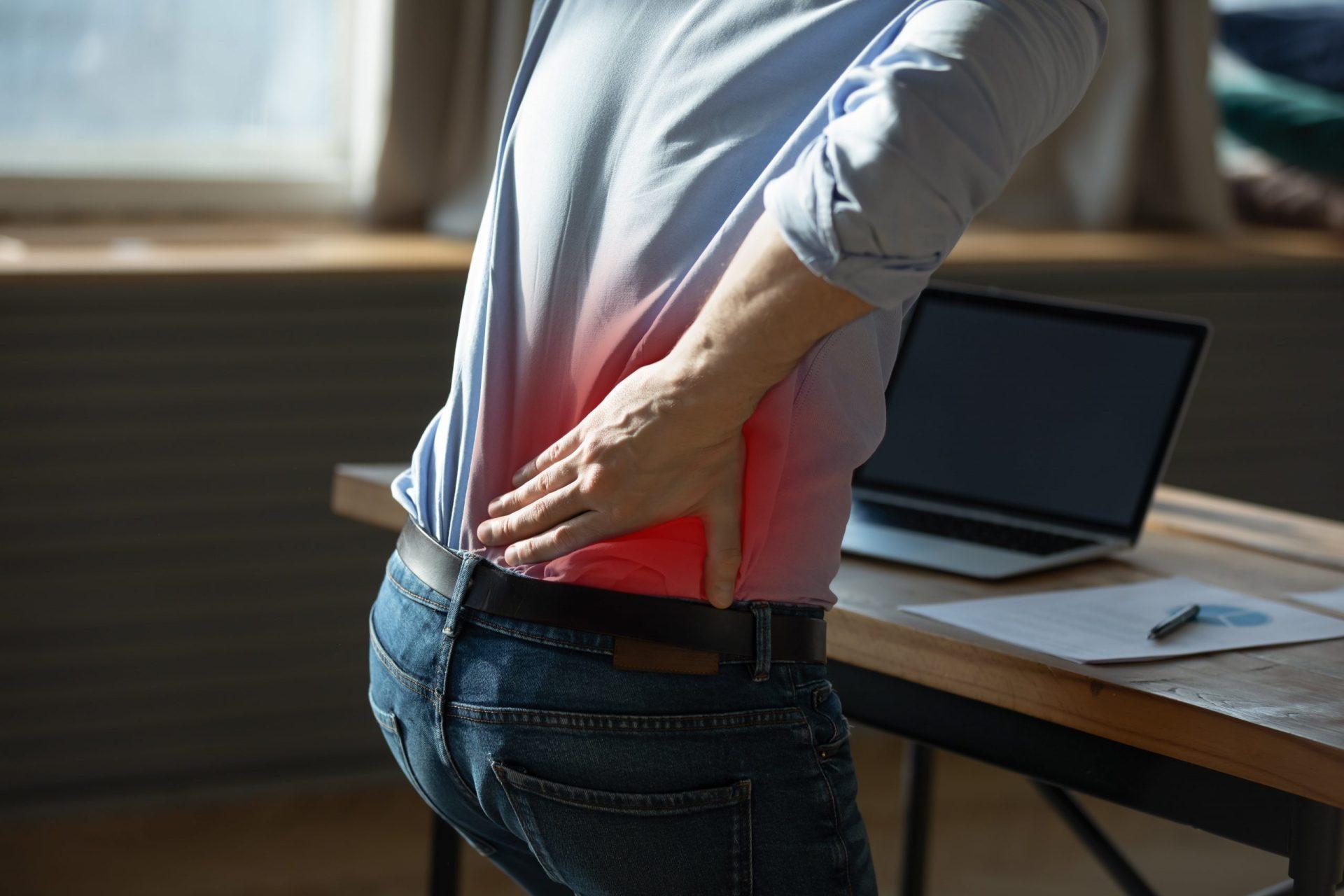
Sciatica is a condition that can affect everyday comfort, movement, and overall quality of life. It commonly develops when the sciatic nerve becomes irritated or compressed, causing discomfort that may travel from the lower back through the hips and down one or both legs. Depending on its severity, sciatica can make walking, sitting, standing, bending, and performing routine activities difficult.
Finding appropriate Sciatica Treatment Dubai is an important step toward understanding the underlying cause of nerve pain and improving physical function. Physiotherapy offers a structured approach that focuses on reducing discomfort, improving flexibility, strengthening supporting muscles, and restoring comfortable movement.
At Vitruvian Italian Physiotherapy Center, personalized rehabilitation focuses on identifying individual movement limitations and developing suitable treatment plans. Through professional assessment, targeted exercises, and appropriate therapeutic techniques, patients can work toward improved mobility and better physical well-being.
Understanding Sciatica and Its Causes
Sciatica refers to pain associated with irritation or compression of the sciatic nerve. This nerve originates in the lower spine, travels through the hips and buttocks, and extends down each leg.
The sciatic nerve plays an important role in controlling movement and providing sensation to parts of the lower body. When it becomes irritated, individuals may experience discomfort along its pathway.
Several conditions can contribute to sciatica.
Herniated Disc
A herniated or slipped disc occurs when the soft inner material of a spinal disc pushes outward and may irritate nearby nerve roots.
Spinal Stenosis
Spinal stenosis involves narrowing of the spaces within the spine, which can place pressure on the nerves.
Degenerative Disc Changes
Age-related changes in spinal discs may contribute to nerve irritation and lower back discomfort.
Piriformis-Related Nerve Irritation
The piriformis muscle is located deep within the buttock. In some individuals, irritation around this area may contribute to sciatic-type symptoms.
Spinal Joint Changes
Changes in the joints of the lower spine can sometimes affect nearby nerve structures.
Identifying the underlying cause is essential for selecting appropriate treatment and rehabilitation strategies.
Common Symptoms of Sciatica
Sciatica symptoms can vary from person to person. Some individuals experience mild discomfort, while others develop more noticeable pain and movement restrictions.
Common symptoms include:
-
Pain that travels from the lower back into the buttock and leg.
-
Tingling or pins-and-needles sensations.
-
Numbness in parts of the leg or foot.
-
Burning or electric-like discomfort.
-
Muscle weakness in the affected leg.
-
Increased discomfort during prolonged sitting.
-
Difficulty bending or changing positions.
-
Discomfort during walking or standing.
Symptoms may affect one side of the body and can become more noticeable during certain movements.
A professional assessment helps determine whether the symptoms are related to sciatic nerve irritation or another condition affecting the lower back and legs.
Why Early Assessment Matters for Sciatica
Understanding the cause of sciatic pain is an important part of effective treatment. Similar symptoms can develop from different spinal, muscular, or neurological conditions, making individual assessment essential.
A physiotherapist may evaluate:
-
Lower back mobility.
-
Hip and leg flexibility.
-
Muscle strength.
-
Sensation and reflexes.
-
Walking and movement patterns.
-
Sitting and standing tolerance.
-
Activities that increase or reduce discomfort.
The assessment helps identify physical limitations and determine which treatment techniques may be appropriate.
Professional Sciatica Treatment Dubai should focus on the patient's symptoms, medical history, and functional needs rather than applying the same rehabilitation programme to everyone.
Severe or progressive leg weakness, new bladder or bowel control problems, or numbness around the groin or saddle area require urgent medical assessment.
How Physiotherapy Helps Manage Sciatic Nerve Pain
Physiotherapy is an important treatment option for many individuals experiencing sciatica. It focuses on improving movement, addressing physical limitations, and strengthening muscles that support the spine and pelvis.
A personalized rehabilitation programme may include several treatment approaches.
Manual Therapy
Appropriate hands-on techniques may help improve mobility and reduce muscle stiffness around the lower back and hips.
Therapeutic Exercises
Specific exercises can improve muscular strength, flexibility, and movement control.
Nerve Mobility Exercises
When suitable, carefully guided nerve mobility exercises may help improve the movement of irritated nerve structures.
Postural Education
Physiotherapists help patients understand how sitting, standing, and lifting habits may influence their symptoms.
Functional Movement Training
Patients practise controlled movements that support everyday activities such as walking, bending, and changing positions.
At Vitruvian Italian Physiotherapy Center, treatment can be adapted according to the patient's condition and response to rehabilitation.
The Role of Stretching and Flexibility in Sciatica Recovery
Muscle stiffness and restricted movement around the lower back, hips, and legs may contribute to discomfort in some individuals experiencing sciatica.
Appropriate stretching exercises can help improve flexibility and support comfortable movement.
Depending on the patient's condition, a physiotherapist may recommend:
Hamstring Stretching
The hamstrings are located at the back of the thighs. Gentle stretching may help improve flexibility and reduce tightness.
Hip Mobility Exercises
Controlled hip movements help maintain flexibility around the pelvis and lower body.
Piriformis Stretching
Specific stretching techniques may be useful for some individuals experiencing tightness around the buttock region.
Lower Back Mobility Exercises
Gentle movements can help maintain spinal flexibility and improve movement confidence.
Stretching should always be selected according to the individual's symptoms. Exercises that increase radiating leg pain, tingling, or numbness should be stopped and reviewed with a healthcare professional.
Strengthening Exercises for Better Spinal Support
Muscle strength plays an important role in maintaining spinal stability and supporting everyday movement.
Weakness in the abdominal, back, hip, and gluteal muscles can affect movement control and physical endurance.
A physiotherapist may introduce strengthening exercises to support the lower back and improve functional abilities.
Core Strengthening
The abdominal and deep trunk muscles help support the spine during everyday activities.
Gluteal Strengthening
The gluteal muscles support hip movement and help maintain pelvic stability.
Hip Strengthening
Targeted hip exercises can improve lower-body control and support walking and standing movements.
Back Muscle Strengthening
Appropriate exercises help develop the muscles that support spinal movement and posture.
Functional Strength Training
Controlled movements such as sit-to-stand exercises can help patients regain strength for routine activities.
A professional Sciatica Treatment Dubai programme should introduce strengthening exercises gradually according to the patient's physical abilities and symptoms.
Improving Mobility and Walking Ability
Sciatica can affect walking ability, particularly when nerve pain travels down the leg or causes weakness.
Some individuals reduce their physical activity because movement becomes uncomfortable. However, prolonged inactivity may contribute to additional stiffness and reduced muscle strength.
Physiotherapy can help patients gradually improve their walking patterns and movement tolerance.
Rehabilitation may include:
-
Controlled walking activities.
-
Gentle lower-body mobility exercises.
-
Balance and coordination training.
-
Functional movement practice.
-
Progressive muscle strengthening.
-
Guidance on comfortable movement positions.
The goal is to help patients gradually return to their normal activities without unnecessarily aggravating their symptoms.
A personalized treatment programme can also help individuals understand how to manage physical activity during recovery.
Understanding the Connection Between Posture and Sciatica
Daily posture and movement habits can influence lower back comfort. Sitting for extended periods, repeatedly bending, and using inappropriate lifting techniques may aggravate symptoms in some individuals.
Although posture alone is not necessarily the cause of sciatica, comfortable positioning and regular movement can help patients manage their daily activities.
Some helpful habits include:
-
Avoid remaining seated for prolonged periods.
-
Take regular movement breaks during work.
-
Use a comfortable sitting position.
-
Keep frequently used objects within easy reach.
-
Avoid sudden twisting while lifting.
-
Maintain suitable movement habits during household activities.
-
Follow physiotherapist-recommended exercises.
At Vitruvian Italian Physiotherapy Center, patient education can be incorporated into rehabilitation to help individuals understand how their daily routines affect their physical comfort.
Sciatica Treatment Cost in Dubai: Factors That Influence Pricing
Understanding the Sciatica Treatment cost in Dubai is an important consideration when planning physiotherapy and rehabilitation.
Treatment expenses can vary depending on the underlying cause of sciatica, symptom severity, required treatment techniques, and the number of sessions needed.
There is no single treatment price that applies to every patient because individual rehabilitation requirements can differ considerably.
Several factors may influence the overall Sciatica Treatment cost in Dubai.
Initial Consultation and Assessment
The first appointment may involve reviewing medical history, evaluating symptoms, assessing mobility, and identifying physical limitations.
Underlying Cause of Sciatica
Treatment for disc-related nerve irritation may differ from rehabilitation for muscular or other spinal conditions.
Severity of Symptoms
Individuals experiencing mild discomfort may require a different treatment approach from those with significant movement restrictions or neurological symptoms.
Physiotherapy Techniques
Treatment may include manual therapy, therapeutic exercises, mobility training, and other suitable rehabilitation methods.
Number of Treatment Sessions
The required number of appointments depends on the patient's condition, response to treatment, and rehabilitation goals.
Physiotherapist's Experience
Professional qualifications and relevant experience in musculoskeletal rehabilitation may also influence treatment fees.
Individual Recovery Requirements
Patients with demanding work routines or specific physical goals may require additional movement training and rehabilitation support.
When comparing the Sciatica Treatment cost in Dubai, patients should consider the quality of assessment, personalized treatment planning, professional supervision, and overall rehabilitation support rather than focusing only on individual session prices.
At Vitruvian Italian Physiotherapy Center, understanding each patient's physical requirements is an important part of developing a suitable treatment approach.
What to Expect During a Sciatica Physiotherapy Session
Understanding the treatment process can help patients feel more comfortable when beginning physiotherapy.
Although sessions vary according to individual needs, a typical rehabilitation appointment may involve several stages.
Initial Consultation
The physiotherapist discusses the patient's symptoms, medical history, daily routine, and treatment expectations.
Physical Examination
The lower back, hips, and legs may be evaluated for strength, flexibility, sensation, mobility, and movement limitations.
Treatment Planning
Based on the assessment, an individualized rehabilitation programme is developed.
Therapeutic Treatment
The session may include appropriate manual techniques, mobility exercises, stretching, and strengthening activities.
Progress Evaluation
The physiotherapist monitors changes in symptoms and physical abilities to determine whether treatment adjustments are needed.
This structured approach helps keep rehabilitation focused on the patient's condition and functional goals.
How Long Does Sciatica Recovery Take?
Recovery time depends on the underlying cause, severity of symptoms, general physical condition, and response to treatment.
Some individuals experience improvement over a few weeks, while others with more complex or persistent conditions may require longer rehabilitation.
Several factors can influence recovery:
-
The cause of nerve irritation.
-
Duration of symptoms.
-
Severity of pain and movement restrictions.
-
Presence of muscle weakness or numbness.
-
Consistency with prescribed exercises.
-
General physical activity levels.
-
Response to physiotherapy.
-
Other existing health conditions.
Regular progress evaluations help determine whether the treatment programme is achieving its objectives.
Patients should avoid comparing their recovery with others because sciatica can develop for different reasons and affect individuals in different ways.
Maintaining Progress After Sciatica Treatment
Once symptoms begin improving, maintaining healthy movement habits can help support long-term physical function.
Patients should continue following their physiotherapist's recommendations and gradually return to their regular activities.
Some useful practices include:
-
Maintaining appropriate daily physical activity.
-
Performing prescribed strengthening exercises.
-
Practising suitable flexibility exercises.
-
Avoiding prolonged periods in one position.
-
Maintaining comfortable lifting techniques.
-
Taking breaks during desk work.
-
Building core and hip strength.
-
Increasing exercise intensity gradually.
Consistency is important, but patients should avoid forcing movements that aggravate their symptoms.
A well-planned rehabilitation programme can provide guidance on maintaining mobility and managing physical demands after formal treatment.
Why Choose Vitruvian Italian Physiotherapy Center for Sciatica Rehabilitation?
Effective sciatica management requires an approach that considers the underlying cause of symptoms and the patient's individual physical requirements.
Vitruvian Italian Physiotherapy Center focuses on personalized physiotherapy and rehabilitation to help individuals improve mobility, strength, and everyday movement.
Important aspects of a structured treatment approach include:
-
Individual physical assessments.
-
Personalized rehabilitation programmes.
-
Targeted strengthening exercises.
-
Lower back and hip mobility training.
-
Appropriate manual therapy techniques.
-
Postural and movement education.
-
Functional walking and movement exercises.
-
Continuous progress evaluation.
Whether someone experiences recurring lower back discomfort, radiating leg pain, muscle weakness, or movement limitations, professional physiotherapy can help identify suitable rehabilitation strategies.
For individuals considering Sciatica Treatment Dubai, choosing a physiotherapy provider that emphasizes proper assessment and individualized care is an important step toward improving physical function.
Conclusion
Sciatica can affect everyday life by causing lower back discomfort, radiating leg pain, tingling, numbness, and reduced mobility. These symptoms may make walking, sitting, standing, and performing routine activities challenging.
Comprehensive physiotherapy focuses on addressing individual movement limitations through targeted exercises, flexibility training, muscle strengthening, postural education, and appropriate therapeutic techniques.
Understanding the Sciatica Treatment cost in Dubai also helps patients make informed decisions about their rehabilitation requirements and treatment plans.
At Vitruvian Italian Physiotherapy Center, the focus remains on personalized care, professional assessment, and supporting patients throughout their recovery journey. With appropriate treatment, consistent rehabilitation, and healthier movement habits, individuals can work toward improved mobility, better physical comfort, and a more active lifestyle.
