

Restore Your Confidence with Dental Implants: How to Choose the Best Dental Clinic Near Me
A confident smile can make a positive difference in everyday life, from social interactions to professional communication. However, missing teeth, damaged enamel, and untreated dental conditions can affect both appearance and oral functionality. Fortunately, modern dentistry offers advanced treatments that help restore damaged smiles and improve long-term dental health. Among these solutions, dental implants have become a popular option for replacing missing teeth with natural-looking and stable restorations. Whether you are considering tooth replacement or need regular oral healthcare, finding a reliable dental clinic near me is an important step towards receiving the right treatment.
Understanding the Importance of Modern Dental Care
Dental health requires consistent attention at every stage of life. Many oral health problems, including cavities, gum disease, and tooth infections, develop gradually. Without timely treatment, these conditions can lead to discomfort, tooth loss, and more complicated dental procedures.
Regular dental examinations help identify potential problems before they become severe. Professional cleanings, preventive treatments, and personalised recommendations can help maintain healthy teeth and gums.
A trusted dental professional can also guide patients through different treatment options based on their oral health, lifestyle, and long-term goals. This makes choosing an experienced dental clinic an important part of maintaining a healthy smile.
What Are Dental Implants?
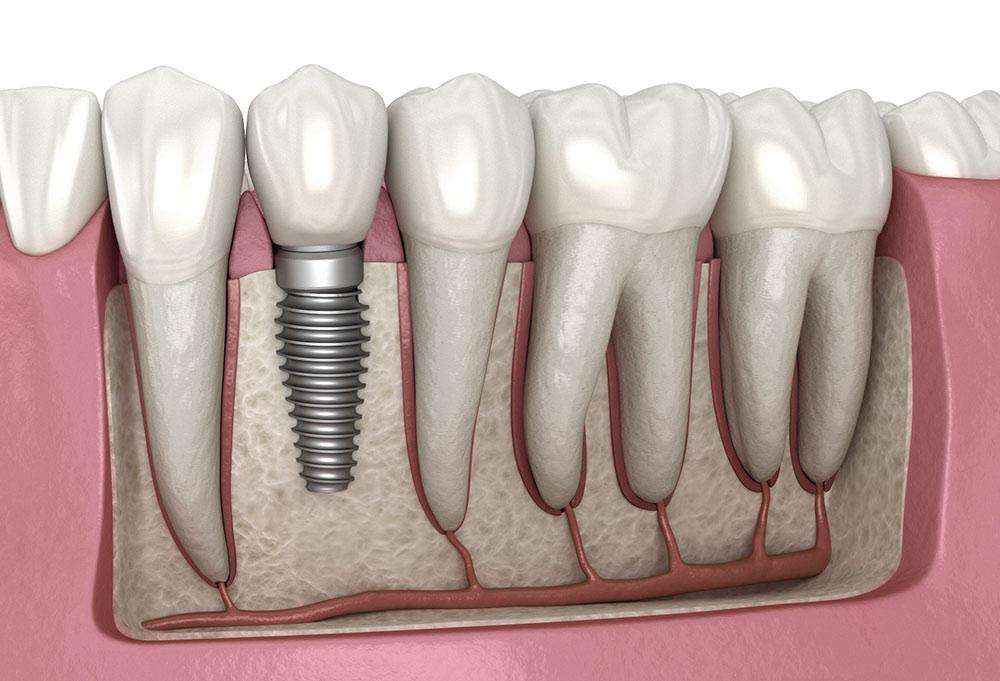
Dental implants are advanced tooth replacement solutions designed to restore missing teeth. They typically consist of a small titanium post that is surgically positioned inside the jawbone. This post functions like an artificial tooth root and provides support for a replacement tooth.
After placement, the implant gradually integrates with the surrounding bone through a natural healing process known as osseointegration. Once the implant becomes sufficiently stable, a custom-made crown is attached to complete the restoration.
Unlike removable dentures, dental implants are designed to remain securely in place. They can restore chewing functionality, improve smile appearance, and help maintain the structure of the jawbone.
Who Should Consider Dental Implants?
Losing a tooth can happen for several reasons, including accidents, advanced tooth decay, gum disease, and ageing. Regardless of the cause, replacing missing teeth can help improve everyday comfort and prevent certain oral health complications.
Dental implants may be worth considering if:
-
You have one or multiple missing teeth.
-
You experience difficulty chewing certain foods.
-
Your removable dentures feel uncomfortable or unstable.
-
You want a fixed alternative to traditional dentures.
-
You are looking for a long-term tooth replacement option.
-
You want to prevent neighbouring teeth from shifting into empty spaces.
However, dental implants are not suitable for every patient. A dentist must evaluate jawbone density, gum health, medical history, and other individual factors before recommending treatment.
How to Choose the Right Dental Clinic Near Me
Finding a suitable dental professional is essential for receiving safe and effective treatment. When searching online for a dental clinic near me, consider more than just location and appointment availability.
1. Check Professional Qualifications
Look for qualified and appropriately registered dental professionals. If you are considering implant treatment, ask about their specific training and experience with dental implant procedures.
2. Explore Available Services
Choose a clinic that provides services matching your requirements, including preventive dentistry, restorative treatments, cosmetic procedures, and tooth replacement options.
3. Review Patient Experiences
Patient feedback can offer useful insights into communication, treatment experiences, clinic facilities, and appointment management.
4. Understand Treatment Costs
Ask for a clear breakdown of consultation fees, implant placement, crowns, diagnostic scans, and any additional procedures that may be required.
5. Consider Technology and Hygiene
Modern diagnostic equipment can support accurate treatment planning. Proper sterilisation procedures and clean treatment environments are equally important.
Taking time to evaluate these factors can help you make a more informed decision about your dental care.
What Happens During a Dental Implant Procedure?
Understanding the treatment process can help patients feel more confident before beginning their dental journey.
Initial Consultation: The dentist examines your teeth, gums, and jawbone. X-rays or 3D scans may be recommended to assess the implant site.
Personalised Treatment Planning: A treatment plan is created according to your oral health and individual requirements. Additional procedures, such as bone grafting, may sometimes be necessary.
Implant Placement: The titanium implant is surgically positioned into the jawbone, generally under local anaesthesia.
Healing and Integration: The implant needs time to bond with the surrounding bone. Healing periods vary depending on individual conditions.
Final Crown Placement: Once healing is complete and the implant is stable, a custom-designed dental crown is attached to restore the appearance and functionality of the missing tooth.
Following professional aftercare instructions is essential throughout the process.
Benefits of Choosing Dental Implants
Dental implants offer several advantages compared with certain traditional tooth replacement methods.
-
Natural Appearance: Custom crowns are designed to complement surrounding teeth.
-
Better Stability: Implant-supported restorations remain securely positioned during everyday activities.
-
Improved Chewing: They provide a stable foundation for eating comfortably.
-
Jawbone Support: Implants help stimulate the jawbone and reduce bone loss associated with missing teeth.
-
Long-Term Results: With appropriate care and regular dental examinations, implants can last many years.
Although these benefits make implants an attractive option, treatment outcomes depend on individual oral health and proper maintenance.
How to Maintain Your Dental Implants
Receiving dental implants is only one part of maintaining a healthy smile. Proper daily hygiene and professional monitoring are equally important.
Brush twice daily using a soft-bristled toothbrush and fluoride toothpaste. Clean between your teeth and around implant-supported restorations using suitable floss or interdental brushes. Avoid smoking, maintain a balanced diet, and attend regular dental checkups.
Although artificial crowns cannot develop cavities, the surrounding gums can still become inflamed or infected. Maintaining healthy gum tissue helps protect the implant and surrounding structures.
Conclusion
Modern dentistry has made it easier to restore missing teeth and improve oral functionality through advanced treatments. Dental implants offer a reliable replacement option for suitable patients, helping restore confidence, chewing ability, and smile appearance.
Whether you need routine dental care or are exploring tooth replacement solutions, finding a dependable dental clinic near me can help you access professional guidance and personalised treatment. Start with a dental consultation, understand your available options, and follow a consistent oral hygiene routine to protect your smile for years to come.
