

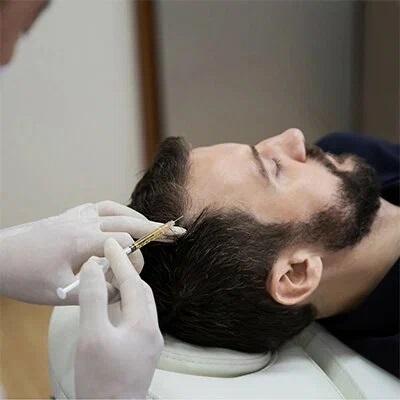

Have you ever noticed that hair thinning does not affect every part of your scalp in the same way? Some people lose density around the crown, while others experience a receding front hairline. Even after receiving platelet-rich plasma (PRP) therapy, one area may appear fuller while another shows only subtle improvement.
This difference can be confusing for people expecting uniform hair growth. However, PRP results can vary across different scalp areas because hair follicles, the pattern of hair loss, and the condition of the surrounding tissue are not always the same.
If you are considering PRP Hair Treatment in Islamabad, understanding these differences can help you develop realistic expectations and make more informed treatment decisions.
1. The Crown and Front Hairline Have Different Hair-Loss Patterns
The crown and front hairline are commonly affected by androgenetic alopecia, also known as pattern hair loss. However, the progression and severity of thinning can differ between these areas.
At the crown, hair may gradually become thinner and less dense, sometimes creating a visible circular patch. Around the front hairline, the temples may recede and the frontal hair may become finer over time.
Different patterns of hair loss can produce different responses to treatment. A patient may have relatively healthy follicles at the crown but more advanced thinning near the temples.
2. Follicle Health Influences PRP Response
PRP is prepared from a patient's blood and contains concentrated platelets with growth factors involved in tissue repair and cellular signalling. When injected into selected scalp areas, it may support hair follicle activity in suitable patients.
However, PRP cannot reliably restore follicles that have been permanently destroyed. Areas with miniaturised but functioning follicles may have a different potential for improvement from areas where hair loss has progressed significantly.
For example, the crown may still contain many weakened follicles, while the front hairline may have fewer active follicles. The condition of existing follicles is an important factor when assessing potential results.
3. Why Does the Crown Sometimes Respond Better?
Some patients notice more visible improvement at the crown than around the front hairline. One possible reason is that the crown may have more remaining miniaturised follicles that can respond to treatment.
The front hairline, particularly the temples, may have experienced more advanced follicular miniaturisation or long-term recession. In such cases, PRP may provide limited improvement.
However, this is not a universal rule. Some individuals respond better at the front, while others see more noticeable changes around the crown.
The response depends on individual scalp characteristics, not simply the location being treated. A proper examination helps identify which areas may have a reasonable chance of improvement.
4. Does Blood Supply Affect Results in Different Scalp Areas?
Blood circulation supports the delivery of oxygen and nutrients to tissues, including the scalp. Differences in local tissue characteristics may be relevant to hair health, but it is not established that the crown always has better circulation or responds better to PRP than the front hairline.
PRP itself is injected directly into selected treatment areas. Its potential effects depend on several factors, including the condition of the follicles, the preparation method, and the underlying cause of hair loss.
It would be misleading to attribute every difference in results to blood supply alone. A practitioner should assess the complete scalp rather than rely on one explanation.
5. How Does the Severity of Hair Thinning Influence Treatment?
The severity of hair loss can affect how much improvement is possible. A person with early thinning may have more functioning follicles than someone with extensive, long-standing hair loss.
At the crown, early miniaturisation may be spread across a relatively broad area. At the front, some patients may have noticeable recession that has progressed over several years.
This can make the changes appear different even when both areas receive the same treatment. Earlier assessment may help identify treatment options while more follicles remain active, although early treatment cannot guarantee a particular result.
6. What Should Be Assessed Before PRP Hair Treatment in Islamabad?
A detailed scalp assessment is important because the crown and front hairline may need different treatment considerations. The practitioner should examine hair density, follicle condition, the pattern of thinning, and any signs of scalp inflammation or scarring.
Before recommending PRP Hair Treatment in Islamabad, the consultation may consider:
-
Hair-loss pattern: Whether thinning affects the crown, temples, frontal hairline, or several areas.
-
Follicle condition: Whether miniaturised or functioning follicles remain in the areas being treated.
-
Medical history: Family history, hormonal conditions, previous treatments, and relevant health concerns.
-
Scalp health: Whether dandruff, dermatitis, infection, or inflammation needs attention first.
-
Treatment expectations: What level of improvement may be realistic and whether other treatments should be considered.
An individualised assessment is more useful than assuming every scalp area will respond equally.
7. Can Different Areas Require Different Treatment Approaches?
Yes. Although PRP may be used across several scalp regions, the overall treatment plan should reflect the condition of each area.
A practitioner may assess the crown and front hairline separately when deciding where injections may be appropriate. The number of sessions and follow-up schedule should also be based on clinical findings and the patient's response.
Some patients may benefit from combining PRP with other evidence-based hair-loss treatments. For example, medication may be discussed for pattern hair loss when medically appropriate.
PRP should be part of a broader treatment plan when necessary, rather than being presented as a complete solution for every stage of hair loss.
8. How Long Does It Take to Notice Differences?
Hair growth is a gradual process, so changes are not usually visible immediately after PRP. Some patients may notice reduced shedding or early changes in hair texture over time, while improvements in density can take several months to assess.
The crown and front hairline may appear to change at different speeds. Lighting, hairstyle, hair length, and natural variations in density can also affect how noticeable the results seem.
Consistent photographs taken under similar lighting conditions can help track progress more objectively. Early appearance should not be treated as the final outcome, and follow-up assessments are important when evaluating whether treatment is helping.
Frequently Asked Questions
Can PRP regrow a receding front hairline?
PRP may help selected patients with thinning where functioning follicles remain, but it cannot reliably recreate a hairline where follicles have been permanently lost. A specialist assessment is necessary.
Is PRP more effective on the crown than the front?
Not necessarily. Some patients notice greater improvement at the crown, while others respond differently. Results depend on follicle health, the severity of hair loss, and individual factors.
Should the crown and hairline receive the same number of PRP sessions?
Not every patient needs an identical treatment plan. The practitioner should recommend sessions and follow-up according to the scalp assessment and response to treatment.
Final Thoughts
PRP results may differ between the crown and front hairline because these areas can have different levels of follicle health, hair-loss severity, and treatment potential. If you are considering PRP Hair Treatment in Islamabad, a detailed scalp examination can help establish realistic expectations and determine whether PRP is suitable for each area.
Dynamic Aesthetic Clinic offers personalised aesthetic care supported by experienced medical expertise, board-certified surgeons, and advanced hair-restoration techniques. Patients interested in PRP can consult the team to discuss their hair-loss pattern, scalp condition, and appropriate treatment options.
