

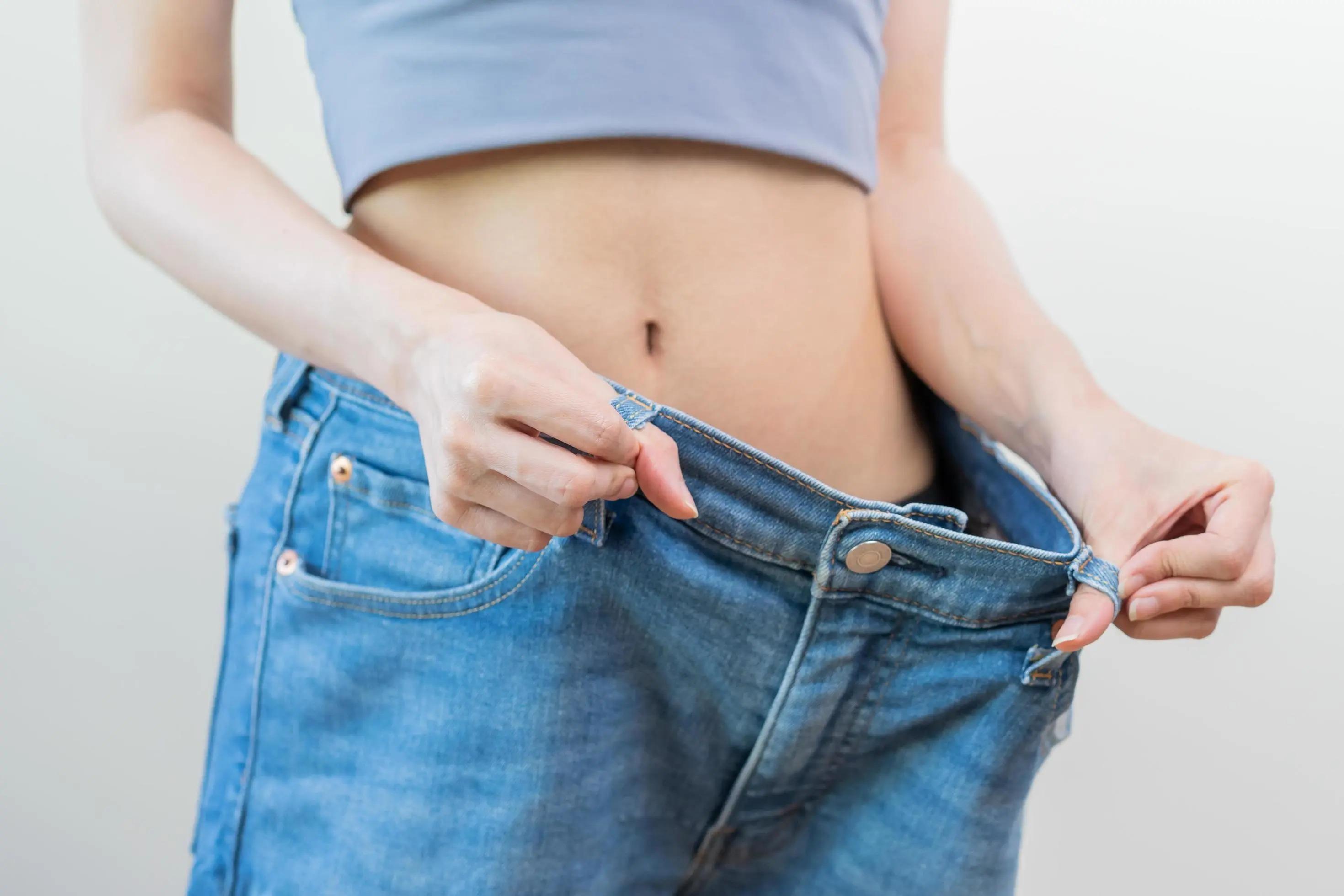
Body Contouring in Islamabad: What If Your Main Concern Is Clothing Fit Rather Than Weight?

Have you ever found that your weight is stable, but certain clothes still do not fit the way you would like? Perhaps your trousers feel tight around the thighs, shirts cling around the waist, or dresses highlight areas where you notice extra fullness. These concerns are not always related to being overweight.
Body shape, fat distribution, skin elasticity, and natural proportions all influence how clothing fits. Some people are comfortable with their overall weight but still have localised areas that affect the way their clothes sit.
This is where body contouring may be worth discussing. For people considering Body Contouring in Islamabad, understanding the difference between weight management and body shaping can help them decide whether treatment is appropriate.
Why Can Clothing Fit Differently Even at a Stable Weight?
Body weight does not tell the whole story about body shape. Two people with the same height and weight can have very different proportions because fat and muscle are distributed differently.
For example, one person may naturally carry more fullness around the waist, while another may have fuller thighs or upper arms. These differences can affect clothing fit even when both individuals maintain a healthy, stable weight.
Genetics, age, muscle development, and previous weight changes can also influence body proportions. A clothing-fit concern does not automatically mean that someone needs to lose weight.
1. Is Localised Fat Affecting the Way Your Clothes Fit?
Some people have stubborn fat deposits in specific areas that remain noticeable despite regular exercise and a balanced diet. Common areas include the abdomen, waist, flanks, hips, thighs, and upper arms.
These deposits can affect how clothes fit. For instance, someone may find that trousers fit comfortably around the waist but feel tight around the thighs, or that a fitted shirt sits differently around the abdomen.
Liposuction may be considered when localised fat is the main concern and the patient has suitable skin elasticity. However, it is not a weight-loss procedure and cannot guarantee that every outfit will fit perfectly.
The purpose is to improve selected body contours, not to achieve a particular clothing size.
2. How Does Skin Laxity Influence Clothing Fit?
Sometimes, the issue is not excess fat but loose skin. This can happen after significant weight loss, pregnancy, ageing, or changes in body composition.
Loose abdominal skin may fold over the waistline, while excess skin around the upper arms or thighs can create additional bulk beneath clothing. Even people who have reached their target weight may experience these concerns.
Liposuction alone may not help when loose skin is the main problem. Depending on the affected area, a surgeon may discuss a tummy tuck, arm lift, thigh lift, or another suitable procedure.
Understanding whether the concern involves fat or skin is essential before choosing treatment.
3. Can Body Contouring Help With Specific Clothing Concerns?
Body contouring is not designed around clothing sizes or fashion preferences. However, selected procedures may improve the shape of areas that influence how garments sit on the body.
For example, reducing localised fullness around the waist may change the way fitted shirts or trousers sit. Treating excess abdominal skin may also reduce folds that create discomfort beneath clothing.
Patients considering Body Contouring in Islamabad may discuss different treatment options depending on their individual concerns:
-
Waist and flanks: Liposuction may help reduce selected fat deposits around the sides of the waist.
-
Lower abdomen: Liposuction or a tummy tuck may be considered depending on whether excess fat or loose skin is responsible.
-
Upper arms: An arm lift may address significant loose skin that affects sleeve fit.
-
Thighs: Liposuction or a thigh lift may be suitable for selected fat or skin concerns.
-
Back and bra-line area: Treatment may be considered for localised fullness or excess skin, depending on the patient's anatomy.
The most appropriate option depends on the underlying concern, not simply the type of clothing someone wants to wear.
4. Is Liposuction Suitable If You Are Already at a Healthy Weight?
Yes, some people at a stable, healthy weight may be suitable candidates for liposuction. The procedure is intended for selected fat deposits rather than overall weight reduction.
A suitable candidate generally has localised areas of excess fat, reasonably good skin elasticity, and realistic expectations about the outcome. Good general health and the ability to follow postoperative instructions are also important.
However, liposuction cannot correct significant loose skin, muscle separation, or every difference in body proportions. Being close to your target weight does not automatically make you suitable for surgery; an individual assessment is still necessary.
5. What If the Problem Is Body Proportion Rather Than One Specific Area?
Sometimes, clothing-fit concerns involve more than one body region. A person may have fullness around the waist and hips, while another may notice that the abdomen and thighs have different proportions.
Treating only one area may not address the overall concern. In selected cases, a surgeon may discuss a broader body contouring plan, although multiple procedures are not always necessary or appropriate.
The goal should be balanced improvement that respects natural body structure. A good treatment plan considers the relationship between different areas rather than focusing on one measurement.
6. Can Exercise and Lifestyle Changes Make a Difference?
Regular exercise can improve muscle strength, fitness, and overall body composition. Strength training may help develop the muscles around the abdomen, hips, thighs, and arms, while general physical activity supports long-term health.
However, exercise cannot selectively remove fat from one particular area. It also cannot reliably remove significant excess skin after major weight loss or pregnancy.
A balanced diet and stable weight can support body composition, but they do not guarantee a specific shape. Healthy habits remain valuable whether or not someone chooses cosmetic treatment.
7. What Should You Discuss During a Consultation?
Before considering surgery, it is important to explain exactly what bothers you about your clothing fit. Rather than focusing only on weight or dress size, describe the areas where you notice fullness, folds, or loose skin.
A qualified plastic surgeon can examine your body proportions, skin elasticity, fat distribution, and medical history. They can then explain whether liposuction, skin removal, a non-surgical option, or no procedure is the most appropriate choice.
During a consultation, consider discussing:
-
The specific areas you want to improve.
-
Whether the concern is caused by fat, loose skin, or muscle separation.
-
Which procedure may be suitable and why.
-
Possible scars, complications, and recovery time.
-
Whether your weight is sufficiently stable for treatment.
-
What improvements are realistic and what limitations may remain.
A consultation should help you make an informed decision, not pressure you into surgery.
8. What Results Can You Realistically Expect?
Body contouring may improve selected areas and change how certain clothes sit on your body. However, results vary according to anatomy, skin quality, the procedure performed, and individual healing.
You may still have natural folds, cellulite, or differences in body proportions after treatment. Surgery also involves recovery time, possible scarring, and risks such as infection, bleeding, fluid accumulation, and contour irregularities.
Maintaining a stable weight can help preserve body contours over time. The aim should be a comfortable, balanced appearance rather than a guaranteed clothing size or perfect silhouette.
Is Body Contouring Right for Your Clothing-Fit Concerns?
If your weight is stable but localised fat or loose skin affects how your clothes fit, body contouring may be worth discussing with a qualified plastic surgeon. The first step is identifying the actual cause and understanding whether treatment can provide a meaningful improvement.
For those considering Body Contouring in Islamabad, a personalised assessment can clarify suitable options, expected results, recovery requirements, and potential risks.
Dynamic Aesthetic Clinic offers personalised body contouring guidance with experienced medical professionals, board-certified surgeons, and advanced surgical techniques. Patients can consult the team to discuss their concerns and explore treatment options based on their individual body shape and goals.

