

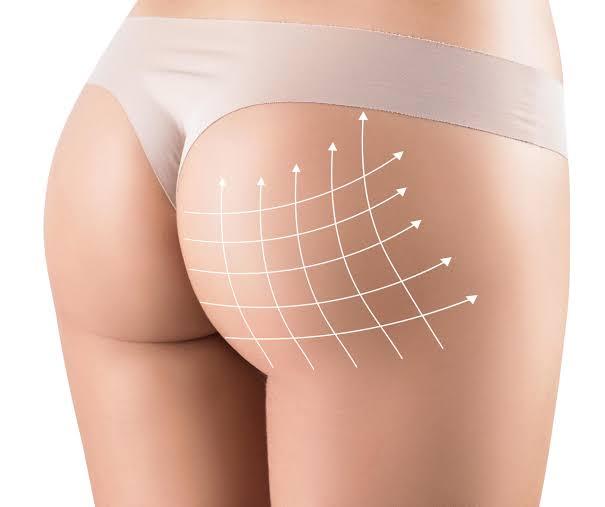

A fuller and more balanced buttock shape is a common aesthetic goal for people who feel their natural contours lack volume or projection. Buttock augmentation is a cosmetic procedure designed to enhance the size, shape, and overall appearance of the buttocks. At Dynamic Life Clinic, patients can explore suitable approaches to body enhancement based on their anatomy, expectations, and general health. Learning about Buttock Augmentation in Dubai can help individuals understand how different techniques may create a fuller appearance while maintaining natural-looking proportions.
How Buttock Augmentation Enhances Volume and Shape
Buttock augmentation can improve fullness by adding volume to areas that appear flat, underdeveloped, or disproportionate to the rest of the body. The procedure may increase projection, improve roundness, and create smoother curves. The amount of enhancement depends on the chosen technique, available tissue, and individual body structure. A carefully planned approach aims to complement the waist, hips, and thighs rather than make the buttocks look artificially enlarged.
Surgical Techniques for a Fuller Buttock Appearance
The two commonly used approaches are fat transfer and buttock implants. Each technique works differently, and the appropriate option depends on the patient's natural anatomy, desired result, and suitability for surgery.
-
Fat transfer: This method uses liposuction to collect fat from areas such as the abdomen, waist, or thighs. After processing, some of the collected fat is transferred into selected areas of the buttocks to improve volume and contour.
-
Buttock implants: Specially designed implants are placed surgically to increase buttock volume and projection. This option may be considered by people who do not have enough suitable donor fat for a fat-transfer procedure.
-
Combined contouring: In selected cases, liposuction of surrounding areas may help create a more noticeable waist-to-hip transition and improve overall body proportions.
Each technique has different benefits, limitations, and risks. A qualified surgeon can explain which approach is appropriate after examining the patient's body structure and medical history.
Factors That Influence the Final Fullness
The final appearance after buttock augmentation varies from person to person. Natural body proportions, skin quality, existing tissue volume, and the amount of enhancement possible all influence the outcome. Fat transfer results also depend on how much transferred fat survives after healing, while implant results depend on implant selection, placement, and individual anatomy.
Other important factors include:
-
Natural body structure: Hip width, waist shape, and existing buttock proportions affect the overall result.
-
Skin elasticity: Good skin quality can help the tissues adapt to changes in volume.
-
Available donor fat: Fat transfer requires enough suitable fat in other areas of the body.
-
Desired projection: The planned enhancement should suit the patient's frame and expectations.
-
Weight stability: Significant weight changes can affect body contours and the appearance of the results.
-
Healing response: Swelling and tissue recovery influence how the final shape develops.
Creating Balanced Curves Without an Artificial Look
A fuller appearance does not necessarily require a dramatic increase in size. Many patients prefer a moderate enhancement that improves the relationship between the buttocks, waist, and thighs. The surgeon considers the body's natural proportions when planning the procedure and determining where additional volume may be beneficial.
For example, improving the upper or outer buttock contour may help create a rounder appearance, while adding projection can make the profile look more defined. The goal is to achieve a shape that complements the patient's overall figure. Realistic expectations are important because surgery cannot completely change natural skeletal structure or guarantee a particular body shape.
Checkpoint: Important Considerations Before Buttock Augmentation
Before deciding on buttock augmentation, patients should understand the procedure, recovery requirements, and possible complications. A detailed consultation helps determine whether the expected improvement is realistic and whether surgery is appropriate for their health and anatomy.
-
Discuss the desired level of fullness and the areas that need enhancement.
-
Review the advantages and limitations of fat transfer and implants.
-
Share details of previous surgeries, medical conditions, and medications.
-
Discuss smoking or nicotine use, as it can affect wound healing.
-
Understand that fat transfer may involve partial loss of transferred volume.
-
Ask about implant-related risks, including displacement, infection, and wound complications.
-
Follow all preoperative and postoperative instructions.
-
Plan enough time away from strenuous activities during recovery.
-
Maintain a stable weight to help preserve body contours.
Recovery and the Development of Buttock Shape
Recovery depends on the technique used and the extent of the procedure. Swelling, bruising, tenderness, and temporary discomfort are common during the early healing period. Patients who undergo fat transfer may need to avoid direct pressure on the treated area for a period recommended by their surgeon. Those receiving implants may have specific sitting, sleeping, and movement instructions.
The initial appearance should not be considered the final result because swelling gradually decreases as the tissues heal. With fat transfer, some of the transferred fat may be naturally absorbed, so the retained volume becomes clearer over time. Patients should attend follow-up appointments and return to normal activities only when their surgeon confirms it is appropriate.
The Importance of Professional Assessment
Choosing the right technique requires an individual evaluation rather than relying only on photographs or general descriptions. A surgeon should assess body proportions, skin condition, available fat, medical history, and the patient's expectations. This assessment also helps identify factors that could increase surgical risks or affect healing.
Patients should receive clear information about the expected outcome, possible complications, scarring, and long-term considerations. Buttock augmentation is a surgical procedure, and it carries risks such as infection, bleeding, fluid accumulation, changes in sensation, asymmetry, and complications related to anaesthesia. Fat-transfer procedures also carry a risk of serious fat embolism, making appropriate surgical technique and qualified medical care essential.
Frequently Asked Questions
Understanding how buttock augmentation works can help patients make informed decisions about enhancing volume and improving body proportions. The following answers address common concerns about fullness, technique selection, and expected outcomes.
Can Buttock Augmentation Make Flat Buttocks Look Fuller?
Yes, buttock augmentation can add volume and improve projection in areas that appear flat. The degree of change depends on the patient's anatomy, selected technique, and amount of enhancement that can be safely achieved.
Does Fat Transfer Provide a Natural-Looking Result?
Fat transfer can create a natural-looking result because it uses the patient's own fat to improve volume and contour. However, some transferred fat is usually absorbed during healing, so the final fullness may be less than the initial postoperative appearance.
Are Buttock Implants Suitable for Everyone?
No, implants are not suitable for every patient. General health, tissue condition, body proportions, and individual surgical risks must be evaluated before this option is considered.
Can Buttock Augmentation Improve Waist-to-Hip Proportions?
It may improve the appearance of waist-to-hip proportions by increasing buttock volume and projection. The overall effect depends on the patient's existing body shape and whether surrounding areas also require contouring.
How Long Does the Fuller Appearance Last?
Results can be long-lasting, but they are not completely unaffected by ageing, weight changes, or natural body changes. Fat-transfer results depend on the amount of fat that survives, while implants may require monitoring or future surgery if complications develop.
Conclusion
Buttock augmentation can create a fuller appearance by increasing volume, improving projection, and refining the overall shape of the buttocks. Fat transfer and implants offer different ways to achieve enhancement, but the most appropriate method depends on individual anatomy, available tissue, and personal goals. A professional assessment, realistic expectations, and careful recovery are essential for pursuing balanced and natural-looking results.

