

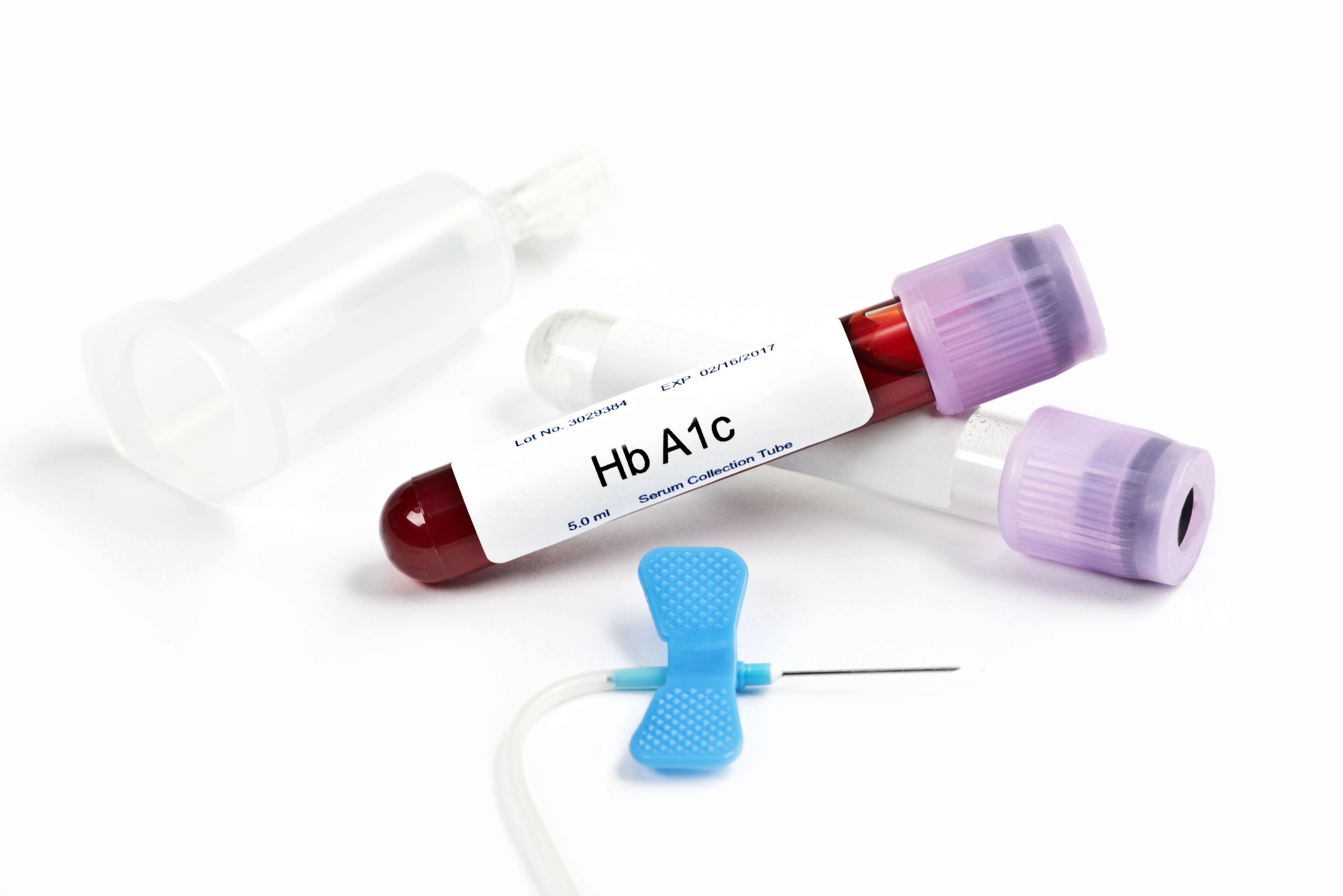

Anemia is one of the most common blood-related health conditions, affecting people of different ages. It develops when the body does not have enough healthy red blood cells or hemoglobin to deliver adequate oxygen to its tissues. Although iron deficiency is a well-known cause, anemia can also develop because of inherited genetic conditions that affect hemoglobin production or structure.
Identifying the exact cause of anemia is essential for choosing appropriate treatment. This is where Hemoglobin Electrophoresis Test in Dubai becomes particularly valuable. It is a specialized laboratory investigation that helps healthcare professionals detect abnormal hemoglobin types and identify inherited blood disorders that may contribute to anemia.
Unlike routine blood tests, which mainly evaluate hemoglobin concentration and red blood cell characteristics, hemoglobin electrophoresis examines the different types of hemoglobin present in the blood. This additional information can help distinguish thalassemia, sickle cell disease, and other hemoglobin-related conditions from common causes of anemia.
Understanding the role of this test can help patients recognize why additional laboratory investigations may be necessary when routine blood results are abnormal.
Why Identifying the Cause of Anemia Requires More Than a CBC
Anemia is not a single disease. It is a clinical finding that can result from nutritional deficiencies, chronic illnesses, inherited disorders, blood loss, or increased destruction of red blood cells.
A complete blood count (CBC) is usually among the first investigations performed when anemia is suspected. It provides important information about hemoglobin concentration, hematocrit, red blood cell count, mean corpuscular volume (MCV), and mean corpuscular hemoglobin (MCH).
These measurements help classify anemia into different categories.
For example:
-
Microcytic anemia involves smaller-than-normal red blood cells and is commonly associated with iron deficiency or thalassemia.
-
Normocytic anemia involves red blood cells of approximately normal size and may occur with chronic diseases or blood loss.
-
Macrocytic anemia involves larger-than-normal red blood cells and may be associated with vitamin B12 or folate deficiency.
However, a CBC cannot always determine the underlying cause.
Two individuals may have similar hemoglobin levels but entirely different blood disorders. Hemoglobin electrophoresis provides additional diagnostic information by identifying the types and proportions of hemoglobin circulating in the blood.
What Makes Hemoglobin Electrophoresis Important in Anemia Diagnosis?
Hemoglobin electrophoresis is a laboratory technique used to separate different hemoglobin fractions according to their electrical properties.
Hemoglobin is the oxygen-carrying protein inside red blood cells. In healthy adults, it mainly consists of hemoglobin A (HbA), with smaller amounts of hemoglobin A2 (HbA2) and fetal hemoglobin (HbF).
Certain inherited genetic changes affect the structure or production of these hemoglobin molecules. These changes may interfere with normal red blood cell function and lead to anemia.
During electrophoresis, a blood sample is placed in a specialized medium and exposed to an electric field. Different hemoglobin types move at different rates, creating a pattern that can be analyzed by laboratory professionals.
This process helps identify abnormal hemoglobin variants and changes in normal hemoglobin distribution.
The test is particularly useful when routine blood investigations suggest an inherited hemoglobin disorder rather than an acquired nutritional deficiency.
Four Major Ways Hemoglobin Electrophoresis Helps Identify Anemia:
The diagnostic value of hemoglobin electrophoresis becomes clearer when examining the conditions it can help identify.
1. Detecting Beta Thalassemia-Related Anemia
Beta thalassemia is an inherited blood disorder in which the body produces reduced amounts of beta-globin chains.
These chains are necessary for normal adult hemoglobin production. When their production is affected, red blood cells may develop abnormally and become more vulnerable to premature destruction.
Hemoglobin electrophoresis is especially useful for identifying beta thalassemia trait.
A common laboratory finding is an increased HbA2 percentage. Fetal hemoglobin may also be elevated in some individuals.
Patients with beta thalassemia trait often have mild anemia or no noticeable symptoms. However, more severe forms can cause significant anemia, fatigue, weakness, and other complications.
Identifying beta thalassemia is important because it prevents unnecessary iron supplementation in individuals who do not have iron deficiency and supports appropriate genetic counseling.
2. Recognizing Sickle Cell Disease and Related Anemia
Sickle cell disease is an inherited hemoglobin disorder caused by abnormal hemoglobin S (HbS).
Under certain conditions, hemoglobin S causes red blood cells to become rigid and crescent-shaped. These abnormal cells can break down more quickly than normal red blood cells, resulting in chronic hemolytic anemia.
They may also obstruct small blood vessels, causing painful episodes and damage to different organs.
Hemoglobin electrophoresis helps detect HbS and evaluate its proportion relative to other hemoglobin fractions.
It can also help distinguish sickle cell trait from sickle cell disease when the results are interpreted with the patient's clinical history and other laboratory findings.
Early identification allows healthcare professionals to arrange appropriate monitoring and preventive care.
3. Identifying Other Abnormal Hemoglobin Variants
Not all inherited hemoglobin disorders involve sickle cell disease or thalassemia.
Other variants, including hemoglobin C (HbC), hemoglobin E (HbE), and hemoglobin D (HbD), may also affect red blood cell function.
Some individuals carrying these variants experience no significant symptoms, while others may develop anemia or more complex conditions depending on the inherited genetic combination.
For example, hemoglobin E combined with beta thalassemia can cause a condition known as HbE/beta thalassemia, which varies in severity.
Hemoglobin analysis helps identify these abnormalities and determine whether further investigations are needed.
4. Investigating Unexplained Hemolytic Anemia
Hemolytic anemia occurs when red blood cells are destroyed faster than the bone marrow can replace them.
Although several conditions can cause hemolysis, inherited hemoglobin abnormalities are among the possible explanations.
Patients may experience fatigue, jaundice, dark urine, or an enlarged spleen, depending on the underlying condition.
Hemoglobin electrophoresis can help identify abnormal hemoglobin variants associated with inherited hemolytic disorders.
Doctors may combine these findings with reticulocyte counts, bilirubin levels, lactate dehydrogenase (LDH), and other tests to understand the cause of increased red blood cell destruction.
Understanding Hemoglobin Electrophoresis Results in Anemia:
Interpreting hemoglobin electrophoresis results requires examining both the presence and percentage of different hemoglobin types.
The following table explains the general significance of commonly measured hemoglobin fractions.
| Hemoglobin fraction | Diagnostic significance |
|---|---|
| HbA | Main adult hemoglobin; may be reduced or absent in certain inherited disorders |
| HbA2 | Increased levels may indicate beta thalassemia trait |
| HbF | Elevated levels may occur in thalassemia and other hemoglobin disorders |
| HbS | Associated with sickle cell trait and sickle cell disease |
| HbC | Helps identify hemoglobin C-related conditions |
| HbE | Associated with hemoglobin E trait and disease |
In healthy adults, HbA generally represents approximately 95% to 98% of total hemoglobin. HbA2 usually accounts for approximately 2% to 3.5%, while HbF is normally present in very small amounts.
These percentages are general reference values and may vary according to age, laboratory methods, and individual circumstances.
An abnormal hemoglobin pattern does not automatically establish the severity of anemia. Healthcare professionals must compare the results with CBC findings, symptoms, family history, and other relevant investigations.
When Should a Doctor Recommend Hemoglobin Electrophoresis?
Hemoglobin electrophoresis is not required for every patient with anemia. It is generally recommended when the clinical findings suggest a possible inherited hemoglobin disorder.
Common situations include:
Persistent microcytic anemia: When red blood cells remain smaller than normal despite appropriate evaluation or treatment for iron deficiency, thalassemia may need investigation.
Unexplained abnormal CBC results: A low MCV, reduced MCH, or unusual red blood cell count may indicate a hemoglobin-related condition.
Family history of inherited anemia: Individuals with relatives affected by sickle cell disease or thalassemia may benefit from screening.
Unexplained hemolysis: Evidence of increased red blood cell destruction may require hemoglobin analysis.
Pregnancy planning: Carrier screening helps identify couples who may have an increased risk of passing inherited hemoglobin disorders to their children.
Newborn screening: Early testing can identify serious inherited conditions before significant complications develop.
Hemoglobin Electrophoresis vs. Other Anemia Tests: What Is the Difference?
Different laboratory investigations provide different types of diagnostic information. No single test can identify every possible cause of anemia.
Understanding their individual roles helps explain why doctors sometimes request multiple investigations.
| Laboratory test | Main purpose |
|---|---|
| CBC | Measures hemoglobin levels and evaluates red blood cell characteristics |
| Iron studies | Identify iron deficiency and assess iron status |
| Peripheral blood smear | Examines the size, shape, and appearance of red blood cells |
| Reticulocyte count | Measures newly produced red blood cells |
| Hemoglobin electrophoresis | Identifies abnormal hemoglobin types and their proportions |
| Genetic testing | Detects specific inherited mutations affecting hemoglobin production |
For example, iron deficiency anemia is generally investigated using ferritin and other iron studies, whereas suspected beta thalassemia may require hemoglobin fraction analysis.
Combining these investigations provides a more accurate diagnosis and helps prevent inappropriate treatment.
Can Hemoglobin Electrophoresis Miss Certain Causes of Anemia?
Yes. Although hemoglobin electrophoresis is a valuable diagnostic tool, it has limitations.
One important example is alpha thalassemia trait. Many individuals with this condition have normal adult hemoglobin electrophoresis results, meaning additional testing may be necessary.
Iron deficiency can also complicate the interpretation of HbA2 levels, potentially affecting the identification of beta thalassemia trait.
Recent blood transfusions may introduce donor hemoglobin into the patient's circulation and change the observed hemoglobin pattern. Therefore, the healthcare provider should know about any recent transfusion.
Additionally, some hemoglobin variants have similar migration patterns with particular laboratory techniques.
To address these limitations, doctors may recommend high-performance liquid chromatography (HPLC), capillary electrophoresis, or molecular genetic testing.
These methods provide additional information when routine hemoglobin analysis does not establish a clear diagnosis.
How Accurate Diagnosis Improves Anemia Management?
Identifying the underlying cause of anemia is essential because different blood disorders require different management approaches.
Iron deficiency anemia may respond to appropriate iron replacement, whereas thalassemia trait generally does not require iron supplementation unless iron deficiency is also present.
Sickle cell disease requires specialized medical management, preventive strategies, and regular monitoring to reduce complications.
Similarly, individuals with inherited hemoglobin variants may benefit from genetic counseling, particularly when planning a family.
Accurate diagnosis also helps avoid unnecessary treatments, reduces delays in medical care, and provides patients with a clearer understanding of their health.
Frequently Asked Questions:
1. Can hemoglobin electrophoresis identify the cause of anemia?
It can help identify inherited hemoglobin disorders that contribute to anemia, including beta thalassemia and sickle cell disease. However, other investigations are needed to evaluate nutritional deficiencies, chronic illnesses, and additional causes.
2. Is hemoglobin electrophoresis necessary for iron deficiency anemia?
Not usually. Iron studies, particularly serum ferritin, are commonly used to investigate suspected iron deficiency. Hemoglobin electrophoresis may be recommended when the results suggest an additional inherited blood disorder.
3. Can this test distinguish thalassemia from iron deficiency?
It can help identify beta thalassemia through characteristic changes in hemoglobin fractions. However, iron studies are also necessary because iron deficiency and thalassemia can occur together.
4. Does normal hemoglobin electrophoresis mean there is no inherited anemia?
No. Certain inherited conditions, particularly alpha thalassemia trait, may not produce an abnormal adult hemoglobin pattern. Additional laboratory or genetic testing may be required.
5. Is hemoglobin electrophoresis a routine blood test?
It is a specialized laboratory investigation rather than a routine component of every CBC. Doctors usually recommend it when symptoms, family history, or preliminary blood results suggest a hemoglobin disorder.
Conclusion:
Hemoglobin electrophoresis Lab tests plays an important role in investigating anemia when an inherited hemoglobin disorder is suspected. By identifying abnormal hemoglobin variants and measuring different hemoglobin fractions, it helps healthcare professionals recognize beta thalassemia, sickle cell disease, hemoglobin C conditions, hemoglobin E disorders, and other abnormalities.
Although a CBC provides essential information about red blood cells, hemoglobin electrophoresis offers a deeper understanding of the hemoglobin abnormalities that may contribute to anemia.
For the most reliable diagnosis, its results should be interpreted alongside iron studies, peripheral blood smear findings, reticulocyte counts, clinical symptoms, and genetic investigations when appropriate.
Ultimately, accurate identification of the underlying condition supports better treatment decisions, appropriate preventive care, and improved long-term health outcomes.
