

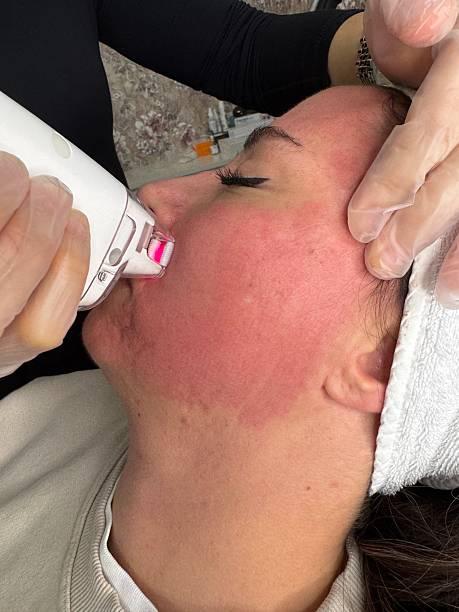

Understanding what happens during an aesthetic procedure can make the experience less uncertain, particularly for first-time patients. Laser Treatment in Dubai includes several procedures that use controlled light energy to address specific concerns, including unwanted hair, pigmentation, acne scars and skin texture irregularities.
Although the basic principle involves delivering energy to selected skin structures, the actual treatment process depends on the laser technology and intended outcome. Knowing what happens before, during and immediately after an appointment helps patients understand the procedure and its requirements.
The Initial Consultation and Treatment Assessment
The process begins with a consultation rather than immediately starting the laser procedure.
The practitioner evaluates the patient's skin, identifies the concern and determines whether the selected technology is appropriate.
Important assessment areas include:
-
Skin tone and sensitivity.
-
Treatment-area condition.
-
Medical and medication history.
-
Previous cosmetic procedures.
-
Recent sun exposure.
-
Expected results and recovery preferences.
This stage also provides an opportunity to discuss potential side effects, the estimated number of sessions and any alternative treatments.
Laser Treatment in Dubai: The Preparation Stage
Once treatment suitability has been established, the clinic provides instructions specific to the procedure.
Skin Cleansing Before Laser Treatment in Dubai
The treatment area is generally cleansed to remove makeup, oils, skincare products and other surface residue.
Depending on the procedure, the practitioner may also:
-
Mark the treatment area.
-
Take clinical photographs with consent.
-
Apply a topical numbing product.
-
Use a cooling system.
-
Provide protective eyewear.
Not every procedure requires all these steps. For example, topical anaesthesia may be considered for certain resurfacing treatments but may not be necessary for routine hair reduction.
How the Laser Procedure Is Performed
The practitioner selects suitable device settings based on the patient's skin characteristics and treatment objective.
A handpiece is then positioned against or near the treatment area, depending on the device design.
The laser delivers controlled pulses or energy according to the selected treatment protocol.
What Happens Inside the Skin During Laser Treatment in Dubai
The interaction between laser energy and skin tissue depends on the wavelength and technology.
For hair reduction, energy is absorbed by melanin within the hair structure and converted into heat that affects follicular structures.
For pigmentation procedures, selected wavelengths target pigment-containing structures.
For resurfacing, certain lasers create controlled thermal effects or microscopic treatment zones to stimulate tissue repair and collagen remodelling.
These mechanisms explain why different devices cannot be used interchangeably for every concern.
What Does the Procedure Feel Like?
The sensation varies depending on the laser, treatment area and individual pain tolerance.
Patients may describe:
-
A brief snapping sensation.
-
Mild warmth.
-
Tingling.
-
Temporary stinging.
-
A feeling of heat against the skin.
Cooling systems may be used to improve comfort and protect surrounding tissue.
More intensive procedures can involve greater discomfort and may require topical or other appropriate pain management.
How Long Does a Laser Appointment Take?
Treatment duration depends on the size of the area and the complexity of the procedure.
|
Procedure |
Factors affecting appointment duration |
|---|---|
|
Facial hair reduction |
Number and size of areas |
|
Body hair reduction |
Total surface area |
|
Pigmentation treatment |
Number and distribution of spots |
|
Fractional resurfacing |
Treatment intensity and coverage |
|
CO2 laser |
Area size and resurfacing depth |
|
Tattoo removal |
Tattoo dimensions and pigment characteristics |
Patients should confirm the expected appointment length during consultation rather than assuming every laser session takes the same amount of time.
Immediate Skin Changes After Treatment
The skin may respond differently depending on the procedure.
Expected Reactions After Laser Treatment in Dubai
Common temporary responses can include:
-
Mild redness.
-
Slight swelling.
-
Warmth or tenderness.
-
Temporary sensitivity.
-
Darkening of selected pigmented spots.
-
Mild dryness or flaking.
After hair reduction, treated follicles may gradually release hair over the following days or weeks.
After resurfacing, the skin may develop peeling, crusting or more noticeable redness as part of the healing process.
Patients should receive clear instructions about expected reactions and warning signs.
What Happens After the Appointment?
The practitioner provides aftercare guidance based on the procedure.
Typical recommendations may include gentle cleansing, moisturising, avoiding direct sun exposure and using appropriate sunscreen.
Patients may also be advised to temporarily avoid:
-
Intensive exercise.
-
Saunas and steam rooms.
-
Hot showers.
-
Exfoliating skincare products.
-
Scrubbing or picking the treatment area.
The duration of these restrictions varies. More intensive treatments require additional wound-care guidance.
Understanding the Treatment Schedule
Many laser procedures require more than one session.
For hair reduction, multiple appointments are generally necessary because hair follicles respond differently throughout their growth cycles.
Pigmentation and resurfacing treatments follow different schedules depending on the condition, treatment intensity and skin response.
The practitioner should explain the expected intervals between sessions and how progress will be evaluated.
When Should Patients Seek Medical Advice?
Although temporary skin reactions are common, certain symptoms should not be ignored.
Patients should contact their treating clinic or seek medical assessment if they experience:
-
Severe or worsening pain.
-
Significant blistering.
-
Increasing swelling.
-
Signs of infection.
-
Unusual discharge.
-
Persistent or worsening skin discolouration.
-
Any unexpected reaction that causes concern.
Prompt assessment can help identify complications and determine appropriate management.
Clinic Note: Every laser procedure has its own treatment sequence and recovery profile. Tajmeels Clinic encourages patients to understand each stage, from initial assessment to aftercare, before deciding on a treatment plan.
Frequently Asked Questions
1. What is the first step in laser treatment?
The first step is a professional consultation to assess the skin concern, medical history and suitability for the selected technology.
2. Does laser treatment involve needles?
Most conventional laser skin procedures do not require needles. However, certain treatments may involve additional procedures or topical preparations.
3. How long does a typical laser session last?
The duration depends on the treatment area, technology and procedure complexity.
4. Can I return to work after laser treatment?
Many non-ablative procedures allow patients to resume routine activities quickly. More intensive resurfacing may require several days or longer for recovery.
5. Is redness normal after laser treatment?
Temporary redness can be expected after many procedures. Its duration and intensity depend on the laser and treatment settings.
6. When can I repeat a laser session?
The interval depends on the treatment type and skin response. Your practitioner should determine the appropriate schedule.
Explore Your Laser Treatment Options at Tajmeels Clinic
Knowing what happens during a procedure can help patients approach treatment with realistic expectations and greater confidence.
Tajmeels Clinic focuses on individual aesthetic assessments and treatment planning, helping patients understand available laser technologies, procedural steps and recovery requirements.
If you are considering Laser Treatment in Dubai, arrange a consultation to discuss your concerns and explore appropriate treatment options.
