

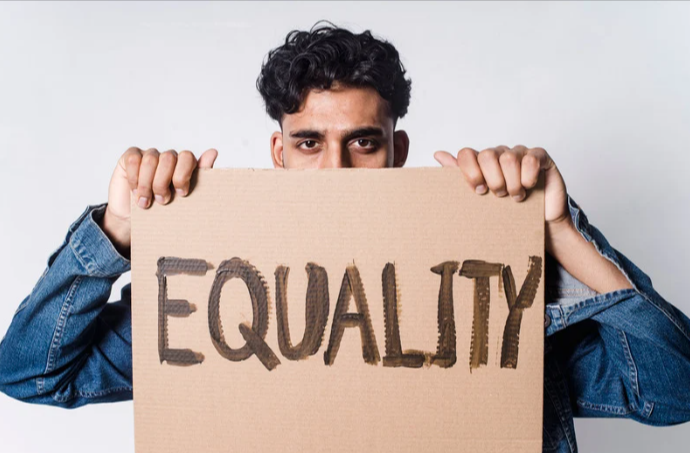
How Diversity and Equality Training and Inclusion Training Build Better Workplaces

A positive workplace is created through more than good policies and professional targets. It also depends on how employees communicate, how fairly people are treated and whether individuals feel respected as part of a team. When organisations value different perspectives and support employee wellbeing, they can create an environment where people feel more confident and motivated to contribute.
Today's workplaces bring together people with different backgrounds, experiences, abilities and expectations. These differences can strengthen teams, but they also require understanding and respect. Employees need to recognise how their behaviour affects colleagues and why fairness should be part of everyday professional life.
This is where diversity and equality training becomes valuable. It helps employees understand the importance of fair treatment, recognise inappropriate behaviour and develop more respectful working relationships.
Inclusion is closely connected to employee wellbeing. People who feel excluded or unsupported may find it harder to participate comfortably at work. Alongside equality awareness, organisations should also consider suitable Inclusion training and workplace wellbeing initiatives.
This article explains how these learning areas complement each other and how organisations can use them to support a healthier and more respectful workplace.
Understanding Diversity and Equality in the Workplace
Equality and diversity are important principles for organisations that want to create fair and professional working environments.
Equality focuses on fairness and ensuring that people are not treated unfairly because of their personal characteristics or circumstances. It also involves considering whether workplace opportunities and arrangements allow individuals to participate appropriately.
Diversity recognises the differences between people. These may include age, disability, culture, background, beliefs, gender, experience and other characteristics.
For example, a team may include employees who have different professional experiences and communication styles. Each person may bring a different approach to solving problems.
A workplace that values diversity recognises these differences rather than expecting everyone to think or behave in exactly the same way.
However, having a diverse workforce is not enough on its own. Employees must also feel respected and included. This is why equality, diversity and inclusion should be considered together.
Why Diversity and Equality Training Matters
Employees make decisions and interact with colleagues throughout the working day. Sometimes, assumptions or a lack of awareness can influence these interactions.
Suitable training can help people understand the importance of fairness and recognise behaviour that may negatively affect others.
Some important benefits include:
-
Improving awareness of equality principles.
-
Encouraging respectful workplace communication.
-
Helping employees recognise discrimination and harassment.
-
Developing awareness of unconscious bias.
-
Supporting fair access to opportunities.
-
Encouraging positive teamwork.
-
Helping managers understand their responsibilities.
-
Creating a more respectful workplace culture.
Training should be relevant to the organisation and its employees. It should encourage people to reflect on their behaviour and understand how professional standards apply in real situations.
What Is Inclusion Training and Why Is It Important?
Inclusion means creating an environment where people feel respected, valued and able to participate.
An employee may belong to a diverse team but still feel excluded if their opinions are ignored, their needs are not considered or they do not have fair access to opportunities.
Inclusion training can help employees understand how everyday actions influence whether colleagues feel welcome and supported.
Encouraging respectful communication
Employees should understand the importance of listening carefully, avoiding offensive language and respecting different opinions.
Recognising unconscious bias
People sometimes make assumptions without realising it. Training can help employees reflect on these assumptions and consider whether they influence workplace decisions.
Supporting fair opportunities
Employees should have appropriate access to professional development, workplace activities and opportunities to contribute.
Understanding individual needs
Different employees may require different forms of support to participate fully. Inclusion involves considering these needs fairly and appropriately.
Building a sense of belonging
When employees feel that their contributions are valued, they may become more comfortable sharing ideas and working with colleagues.
Inclusion is not the responsibility of one department alone. Managers, employees and senior leaders all influence workplace culture.
How Equality and Inclusion Influence Employee Wellbeing
Employee wellbeing is closely connected to the experience people have at work.
A workplace where employees face unfair treatment, poor communication or a lack of support can create unnecessary stress. On the other hand, a respectful environment can help people feel more comfortable and supported.
For example, an employee who feels safe raising concerns may be more willing to ask for help when they experience difficulties. Similarly, a manager who listens to team members can help identify workplace challenges before they become more difficult to manage.
Equality and inclusion initiatives can support wellbeing by:
-
Encouraging respectful professional relationships.
-
Reducing feelings of exclusion.
-
Supporting open communication.
-
Helping employees feel valued.
-
Promoting fair workplace practices.
-
Encouraging managers to listen to concerns.
-
Creating a more supportive team environment.
However, organisations should remember that workplace wellbeing is influenced by many factors, including workload, management practices, working conditions and access to support.
Why Wellbeing Training Is Important for Employees
Workplace wellbeing includes physical, mental, emotional and social aspects of an individual's working experience.
Employees may face different challenges depending on their roles, responsibilities and personal circumstances. Organisations should therefore consider wellbeing as part of their wider employee development plans.
Suitable wellbeing training can help employees and managers develop a better understanding of workplace wellbeing and the importance of supportive working practices.
Developing awareness of workplace stress
Work-related stress can affect concentration, communication and overall performance. Training may help employees understand common workplace pressures and identify situations where additional support may be needed.
Encouraging healthy working habits
Wellbeing awareness can encourage employees to consider practical habits such as taking appropriate breaks, maintaining healthy routines and managing workloads responsibly.
Supporting communication
Employees should feel comfortable discussing workplace difficulties through appropriate channels. Managers can help by listening and responding professionally.
Recognising the importance of boundaries
Maintaining reasonable boundaries between work and personal responsibilities can support a healthier working experience.
Building a supportive environment
Wellbeing is not only an individual responsibility. Organisations should consider workload expectations, management behaviour and workplace arrangements when developing wellbeing initiatives.
How Wellbeing Training Courses Support Organisations
Organisations may have employees working in different roles, departments and locations. A shared understanding of workplace wellbeing can help managers and teams recognise the importance of creating supportive working conditions.
Well-planned wellbeing training courses may support organisations in several ways.
Improved awareness: Employees can develop a better understanding of factors that influence workplace wellbeing.
Better communication: Training can encourage respectful conversations about workplace challenges and support needs.
Manager development: Managers can learn about their role in creating a supportive working environment.
Positive workplace culture: Wellbeing initiatives can reinforce the importance of respect, balance and employee support.
Ongoing development: Training can form part of a wider programme that encourages employees to develop healthy workplace practices.
The exact content will depend on the course and its intended audience. Organisations should review learning objectives before selecting a programme.
Practical Examples of Equality, Inclusion and Wellbeing at Work
Understanding workplace principles becomes easier when employees can connect them with everyday situations.
Example 1: Fair access to opportunities
A manager shares professional development opportunities with the whole team and explains the selection criteria clearly.
This supports fairness and helps employees understand how they can participate.
Example 2: Respecting different communication styles
During a meeting, a manager notices that some employees are not contributing. Instead of assuming they have nothing to say, the manager provides different opportunities for everyone to share their views.
This supports inclusion and respectful communication.
Example 3: Supporting an employee experiencing workload pressure
An employee tells their manager that their workload has become difficult to manage.
The manager discusses priorities and considers whether responsibilities can be reviewed.
This demonstrates the importance of communication and workplace wellbeing.
Example 4: Addressing inappropriate comments
An employee reports comments that make them uncomfortable. The organisation follows its procedures and takes the concern seriously.
This helps reinforce expectations around respect and professional behaviour.
Example 5: Encouraging healthy workplace habits
A team leader encourages employees to take appropriate breaks and discuss workload concerns when necessary.
This helps create a workplace where wellbeing is considered part of everyday management.
The Role of Managers in Supporting a Positive Workplace
Managers influence how employees experience their working environment. Their decisions and behaviour can affect communication, opportunities, workload and team relationships.
Managers can support equality, inclusion and wellbeing by taking practical steps.
Make fair decisions
Workplace decisions should be based on relevant information and clear criteria. Personal assumptions should not replace fair decision-making.
Listen to employees
Employees should have opportunities to raise concerns and share feedback. Managers should respond professionally and follow the organisation's procedures.
Recognise different needs
People may have different working requirements and support needs. Managers should consider these fairly and explore appropriate arrangements.
Encourage respectful behaviour
Managers should set clear expectations about professional communication and address inappropriate conduct.
Review workloads
Unmanageable workloads can affect employee wellbeing. Managers should communicate with team members and review priorities where appropriate.
Lead by example
Employees observe how managers treat others. Respectful communication and fair behaviour can help establish positive expectations across the team.
How to Make Workplace Training More Effective
Training should be connected to everyday professional responsibilities. Employees are more likely to understand its value when they can see how the learning applies to their work.
Organisations can improve the learning experience through the following steps.
Identify learning needs: Consider the responsibilities of different employees and the knowledge they need.
Set clear objectives: Explain what participants should understand after completing the training.
Use relevant workplace examples: Practical situations can help employees connect learning with their daily experiences.
Encourage participation: Give employees opportunities to ask questions and discuss general workplace challenges.
Support managers: Managers should receive suitable guidance on fairness, inclusion and employee wellbeing.
Review organisational policies: Training should support clear workplace procedures and professional standards.
Gather feedback: Ask employees whether the learning was useful and identify areas where further development may be needed.
Encourage ongoing learning: Equality, inclusion and wellbeing should remain part of regular workplace development.
How to Choose a Suitable Training Provider
Choosing a training provider requires attention to the course content and its relevance to the organisation.
Before enrolling, review the following factors:
-
The intended audience and course level.
-
The learning objectives and subject areas.
-
The delivery arrangements.
-
Assessment or knowledge-checking methods.
-
Completion documentation.
-
Provider information and available support.
-
Suitability for the organisation's professional requirements.
A course should provide clear information about what participants can expect to learn. Organisations should avoid choosing training based only on its title or price.
How Goldmark Training Can Support Workplace Development
Professional development helps employees understand their responsibilities and develop skills that support a positive working environment.
Goldmark Training provides learning and development options across equality and diversity, leadership and management, safeguarding and wellbeing.
Its equality and diversity and wellbeing training pages offer useful starting points for organisations exploring relevant learning opportunities.
Before choosing a course, review the available information and consider whether its learning objectives match your employees' needs. Training should complement workplace policies, management practices and wider employee support arrangements.
Frequently Asked Questions
1. What is diversity and equality training?
Diversity and equality training helps employees understand fairness, recognise individual differences and develop respectful workplace behaviour. It may cover discrimination, harassment, unconscious bias and inclusive practices.
2. What is the purpose of inclusion training?
Inclusion training helps employees understand how to create an environment where colleagues feel respected, valued and able to participate. It can focus on communication, accessibility and recognising workplace barriers.
3. How are equality and wellbeing connected?
Fair treatment and respectful communication can support a positive working environment. When employees feel valued and included, they may find it easier to communicate concerns and seek appropriate support.
4. Who should attend workplace wellbeing training?
Employees, managers and team leaders may benefit from relevant wellbeing learning. The appropriate training depends on their responsibilities and the organisation's needs.
5. What topics may be covered in wellbeing training?
Depending on the course, topics may include workplace stress awareness, healthy working habits, communication, work-life boundaries and supportive management practices.
6. Can organisations provide equality and wellbeing training online?
Some providers offer online learning options. Organisations should review the delivery arrangements, learning objectives and course suitability before enrolling employees.
7. How can managers support employee wellbeing?
Managers can encourage open communication, review workloads, listen to concerns and promote respectful working practices. They should also follow organisational procedures when employees need additional support.
8. How often should workplace training be provided?
The frequency depends on organisational policies, employee responsibilities and changing development needs. Organisations should review training requirements regularly.
Conclusion
Equality, diversity, inclusion and wellbeing are connected elements of a positive workplace. Employees need to feel respected, have fair opportunities and understand how their behaviour affects colleagues.
Suitable training can help people develop awareness, communicate more effectively and recognise the importance of supportive working practices. Managers also have an important role in making sure that workplace policies are applied consistently.
By combining equality and inclusion learning with appropriate wellbeing initiatives, organisations can work towards a professional environment where people feel valued and supported. The most effective approach is one that continues beyond training and becomes part of everyday workplace culture.

